
About Amritsari Paneer Bhurji
Amritsari Paneer Bhurji is a popular Indian dish, originating from the region of Amritsar in Punjab. The dish features crumbled paneer (Indian cheese)
cooked with onions, tomatoes, and a blend of aromatic spices. Its preparation mirrors the style of scrambled eggs but uses paneer, offering a vegetarian alternative. Commonly served with roti, paratha, or even bread, it's a versatile dish perfect for breakfast, lunch, or dinner. The dish is known for its rich flavors and often includes ingredients like ginger-garlic paste, green chilies, and a touch of cream or butter to enhance the taste. It encapsulates the hearty flavors and culinary traditions of Punjabi cuisine, offering a satisfying and flavorful experience. The cooking process varies slightly depending on personal preferences and specific recipes, but the core ingredients and method remain consistent, ensuring the characteristic taste.
Essential Ingredients
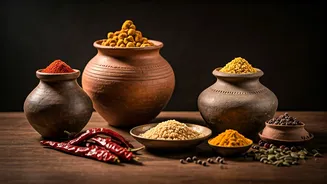
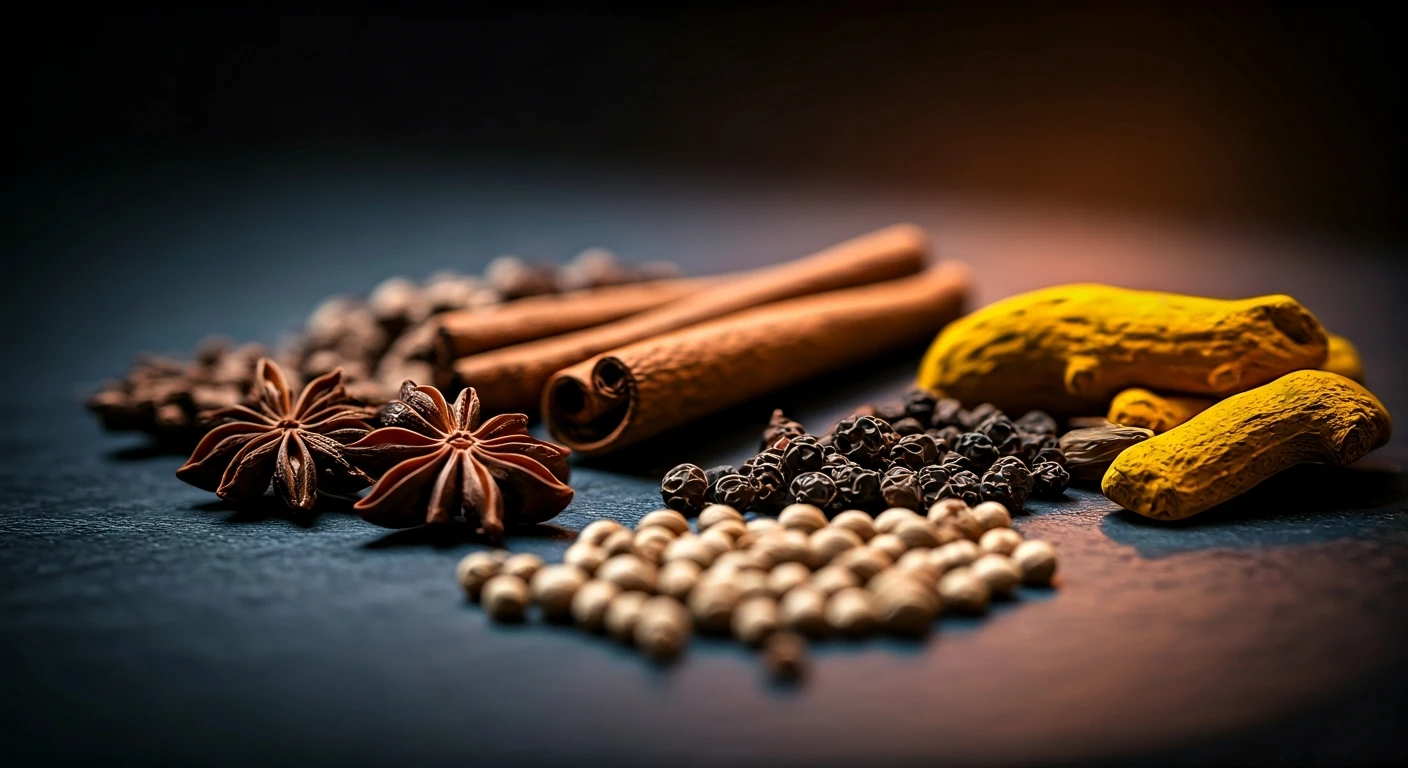
To make Dhaba-Style Amritsari Paneer Bhurji, you'll need several key ingredients. The foundation includes paneer, ideally fresh, which is the star ingredient, providing the primary protein. Onions form the base flavor profile, typically requiring finely chopped onions to add a sweet and savory taste. Tomatoes are another crucial component, contributing acidity and flavor, often used in the form of pureed or finely chopped. Ginger-garlic paste is essential for depth and fragrance. Green chilies contribute heat and spiciness, adaptable to your taste preferences. A blend of spices is vital, including turmeric powder for color and health benefits, red chili powder for heat, coriander powder for aroma, and garam masala for its complex flavors. Additionally, cooking oil is necessary for sautéing ingredients, along with salt to taste and potentially fresh coriander leaves for garnishing and added freshness. Some recipes may also suggest a touch of cream or butter for richness and a smooth texture.
Step-by-Step Instructions
Start by crumbling the paneer, which will determine the final texture of the dish. Next, heat cooking oil in a pan, and sauté the finely chopped onions until they turn golden brown. Add the ginger-garlic paste and green chilies, and sauté for a short time to release their aromas. Incorporate the chopped or pureed tomatoes, and cook until they soften. Add the spices—turmeric powder, red chili powder, coriander powder, and garam masala—mixing them well to avoid burning. Stir in the crumbled paneer into the spiced tomato-onion mixture, ensuring it is well-combined. Cook for a few minutes, stirring occasionally, until the paneer absorbs the flavors of the spices. Before serving, garnish with fresh coriander leaves for added flavor and visual appeal. Taste and adjust seasonings as required before serving the bhurji hot with roti, paratha, or bread.
Cooking Tips & Tricks
To elevate your Amritsari Paneer Bhurji, consider a few helpful tips. First, use fresh paneer, which makes a considerable difference in the final taste and texture. Second, sauté the onions and spices at the right temperature; avoid burning them, which can impact the dish’s flavor. Third, adjust the amount of green chilies according to your spice preference. Furthermore, adding a touch of cream or butter at the end can provide extra richness. Remember to cook the tomatoes thoroughly to remove their raw taste and fully integrate them into the flavor. Experiment with the spice levels to suit your taste. Finally, serve the bhurji immediately after cooking to enjoy its warm, fresh flavors. Use a non-stick pan to make the cooking process easier and prevent the mixture from sticking. Proper execution of each step guarantees the best results, creating a delicious and authentic dish.
Serving Suggestions
Amritsari Paneer Bhurji pairs beautifully with several accompaniments, offering flexibility. The most common pairing is with roti, paratha, or naan, perfect for soaking up the flavorful bhurji. It also goes well with plain rice or jeera rice for a lighter meal. For a complete Indian meal, serve it alongside a side of raita, such as a cucumber or boondi raita, to balance the richness with coolness. Another option is to serve with a simple salad, like a mixed vegetable salad or a kachumber salad, to add freshness and crunch. It can also be a filling element in a sandwich, or used as a filling in rolls or wraps. You can also serve it as a side with other Indian dishes. Consider adding a dollop of butter or a sprinkle of fresh coriander leaves for added flavors and visual appeal before serving. These serving suggestions enhance the meal and provide a balanced and satisfying dining experience.