




Beware of Heat
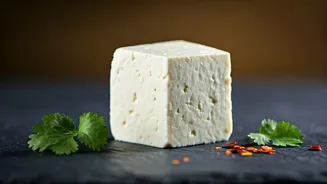
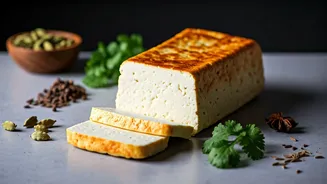
Paneer, a beloved vegetarian staple in India, is often lauded for its protein content. However, how you cook it can significantly impact how much protein your
body can actually absorb. Intense heat, particularly when overcooking paneer, can alter the structure of its milk proteins, especially whey proteins. Research indicates that high temperatures lead to protein aggregation, which can impede digestibility. While heat doesn't destroy protein outright, it changes its molecular arrangement, affecting how effectively your digestive system can break it down. Therefore, embracing gentler cooking methods is crucial to preserve paneer's protein integrity, ensuring you receive the full nutritional value you expect from this versatile ingredient.
Deep Frying Pitfalls
While the crispy texture achieved through deep-frying paneer is undeniably appealing, this cooking method comes with a significant downside: an increased fat and calorie count. This means that for the same amount of protein, you're consuming substantially more fat. This can throw off the desired protein-to-calorie ratio, especially if you're mindful of your health goals. To enjoy paneer while maintaining a balanced nutritional profile, consider alternative cooking techniques such as grilling, air-frying, or shallow sautéing. These methods can yield a delicious result without overwhelming your meal with excess fat, allowing the protein content of the paneer to shine.
Quality Matters Most
The protein content and overall nutritional value of paneer can vary depending on its origin and processing. Not all paneer is created equal; commercially processed or packaged varieties might sometimes contain additives or a lower concentration of milk solids, which can subtly diminish their protein punch. For the best nutritional outcome, opt for fresh, homemade paneer or choose high-quality brands from reputable stores. Always check the ingredient labels and prioritize minimally processed options. By selecting carefully, you can be more confident that the paneer you're adding to your meals is delivering the protein you're counting on.
Strategic Pairings for Satiety
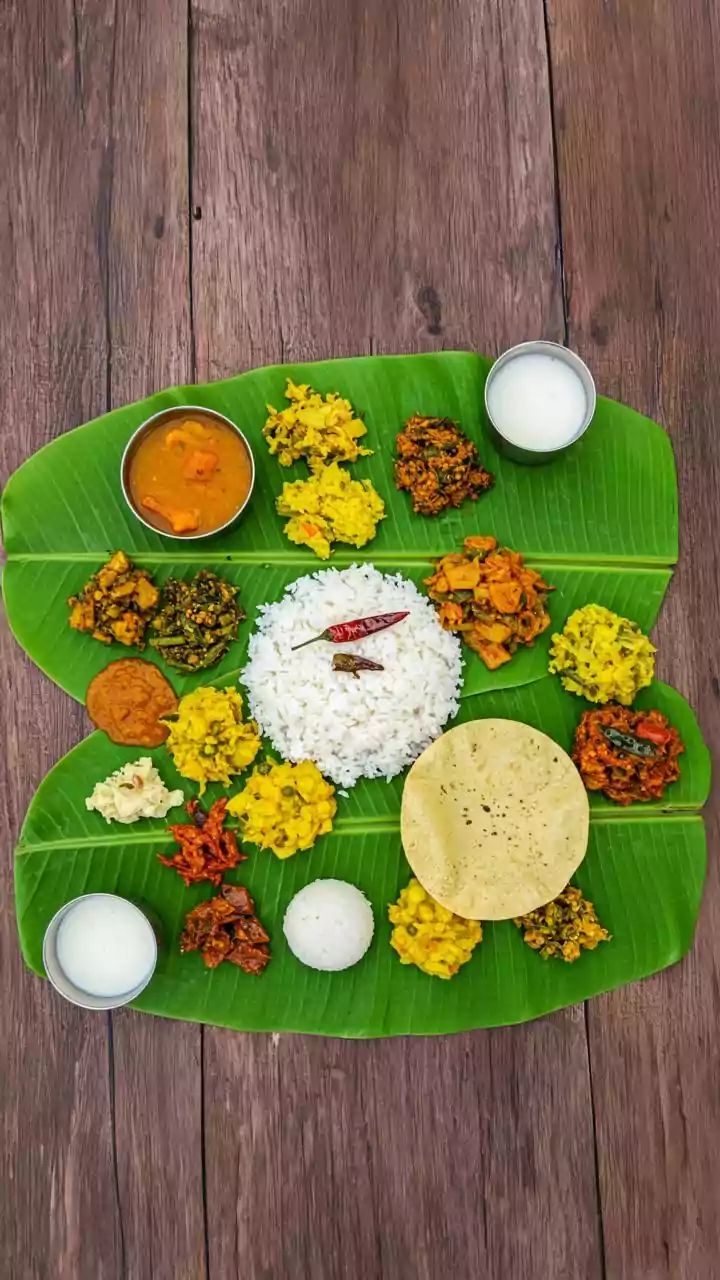
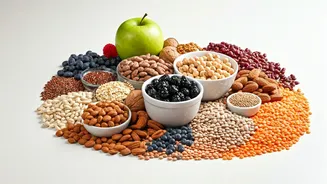
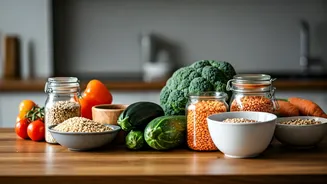
While refined carbohydrates don't directly 'strip' protein from paneer, they can negatively impact how you experience satiety and hunger, thus reducing the practical benefit of the protein consumed. Meals heavily laden with refined carbs often lead to rapid blood sugar spikes and quicker returns of hunger. Studies suggest that balanced meals, incorporating protein with fiber, promote better metabolic stability and a more prolonged feeling of fullness. When paneer is consumed alongside refined grains, its ability to signal fullness and provide lasting energy can be diminished. Aim to pair paneer with whole grains, vegetables, or legumes to enhance satiety and nutrient absorption.
Proper Storage is Key
The way paneer is stored plays a vital role in preserving its quality and nutritional integrity. Improper storage, such as leaving it uncovered, keeping it for excessively long periods, or exposing it to inconsistent temperatures, can lead to spoilage and a decline in nutrient content. To maintain both texture and nutritional value, fresh paneer should be stored submerged in water within the refrigerator and consumed within a few days. Adhering to these simple storage practices ensures that your paneer remains safe to eat and retains its beneficial protein and other nutrients.