





Smart Travel Strategies
To make your European trip more affordable, flexibility and strategic planning are key. Consider flying mid-week and traveling during the shoulder seasons,
typically May to June or September to October, to avoid peak prices and crowds. Skipping third-party booking sites and contacting hotels directly can sometimes yield better rates. Furthermore, opt for a payment card that minimizes foreign transaction fees and offers favorable exchange rates. Your choice of destination also impacts your budget; for instance, areas like Basilicata in southern Italy are considerably less expensive than tourist hotspots like Venice or Milan. Even small adjustments once you arrive can significantly offset travel costs without making you feel deprived.
Dining Deals & Delights
Locals often tap into specific dining strategies to keep costs down. In Portugal, for example, the 'menu do dia' or 'prato do dia' at lunchtime offers a fixed-price meal for under €10. It's also wise to politely decline complimentary starters like bread and olives, as they often incur charges. Similarly, Spanish restaurants commonly feature a 'menú del día' on weekdays, a three-course meal with a drink and coffee for €8–€17. In Greece, many restaurants will provide a complimentary dessert, so there's no need to order one. For a more budget-friendly approach in Italy, standing at the cafe bar for coffee is significantly cheaper than sitting at a table, especially in tourist-heavy areas. Also, always ask for 'agua del grifo' (tap water) in Spain to avoid paying for bottled water.
Savvy Transportation
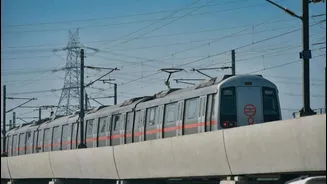
Navigating Europe affordably often involves smart use of public transport. In Lisbon and Porto, Portugal, purchasing a prepaid transport card, like the Viva Viagem in Lisbon or Andante in Porto, can save money on funiculars and trams. For longer journeys, booking bus and train tickets up to a week in advance can offer discounts of up to 50%. Denmark's national rail website allows booking train tickets two months ahead, with 'Orange Tickets' offering reduced fares outside peak hours. In Ireland, a 72-hour Dublin Pass costs just €16 for unlimited travel on buses, trams, and city trains. For inter-city travel in Spain, booking 'early bird' high-speed train tickets can save up to 70%, with fares from Madrid to other major cities starting as low as €7.
Free Attractions & Activities
Many European cities boast an abundance of free attractions. In Lisbon, numerous local museums offer free admission on Sundays, and the International Museum Day on May 18 is a global free entry event. Copenhagen, Denmark, features several museums with complimentary entry, including the Thorvaldsens Museum, showcasing Islamic art and Danish modern art. Denmark also offers unique free activities like 'kayaking for litter' on its waterways and year-round open-air harbor swimming. Ireland has a wealth of free cultural sites, including all branches of the National Gallery, various city museums, and Chester Beatty Library. Additionally, many Irish pubs offer free live music. In Greece, seek out undeveloped beaches where you can relax without paying for sunbeds or umbrellas.
Local Shopping & Experiences
Embrace local habits for cost-effective shopping and unique experiences. In France, visiting independent bakeries for a 'jambon-beurre' sandwich and a croissant offers quality and value. Carpooling services like BlaBlaCar are popular for affordable inter-city travel and meeting locals. Enjoying a bottle of wine purchased from a local 'caviste' (wine merchant) in a park is a common and cheaper alternative to bar prices. Denmark's 'boller med ost' (cheese roll) is a cheap and satisfying snack found in every bakery. In Spain, buying supermarket own-brand products can significantly reduce grocery costs. For a more authentic and budget-friendly approach in Italy, inquire about local's favorite, lesser-known public beaches rather than expensive beach clubs. Also, walking is highly encouraged in Italian cities, saving money and enhancing the cultural immersion.