
Aromatic Spice Symphony
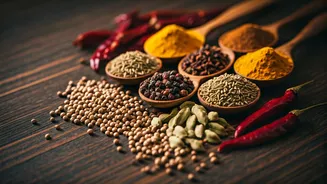
The soul of Indian cuisine is undoubtedly its aromatic spice blends. These blends, each unique and carefully crafted, are the cornerstone of the country's
diverse culinary traditions. Spices are much more than just flavor enhancers in Indian cuisine; they are integral to the identity and medicinal properties of food. The balance of sweet, sour, salty, and spicy notes is fundamental. Turmeric, known for its vibrant color and health benefits, is a staple, used in almost every Indian kitchen. Cumin, coriander, and garam masala contribute layers of warmth and depth. The strategic combination of these spices, influenced by region and personal preference, results in a rich complexity of flavors that distinguishes Indian dishes. Beyond flavor, spices also play a critical role in preserving food and aiding digestion, reflecting the holistic approach to health and well-being in Indian culture.
Regional Culinary Tapestry
India's culinary landscape is as diverse as its geography. Each region boasts unique cooking styles, ingredients, and dishes shaped by local climate, culture, and traditions. The north often embraces rich, creamy curries, using dairy products and wheat-based breads like naan and roti. The south, on the other hand, highlights rice as a staple, along with coconut milk, seafood, and spicy lentil-based dishes like sambar and rasam. The west, particularly Gujarat and Rajasthan, is known for vegetarian cuisine, often employing a blend of sweet, sour, and spicy flavors, while the east, especially Bengal, is famous for its fish-based dishes, rice, and distinctive sweets. This regional variety ensures a broad range of culinary experiences, from the spicy vindaloo of Goa to the delicate biryanis of Hyderabad. Exploring these diverse flavors is like taking a culinary tour of the entire nation, offering a complex panorama of tastes and traditions.
Cooking Method Mastery
Indian cooking is characterized by specific techniques passed down through generations. These methods are essential in extracting the best flavors from the ingredients. Tandoor cooking, originating from the tandoor oven, is popular for its smoky flavors, often used to prepare naan bread and tandoori dishes. The process involves high-heat cooking over charcoal, resulting in a unique charred flavor. Tadka, or tempering, is another pivotal method, involving sautéing whole spices in hot oil to release their aromas before being added to dishes. Slow-cooking in pots, or dum pukht, allows flavors to meld beautifully. Frying, steaming, and grilling are also used extensively. The careful application of these cooking methods, along with the precise timing of spice additions, are what makes the authenticity and depth of flavor in Indian cuisine.
Essential Indian Ingredients
A foundational understanding of Indian ingredients is crucial to appreciating the cuisine. Lentils, or dals, are central, offering protein and diverse textures in various dishes like masoor dal, chana dal, and toor dal. Rice, particularly basmati, is a staple, providing a light, fluffy base to many dishes. Fresh vegetables like onions, tomatoes, ginger, and garlic form the base of many curries and sauces. Indian cuisine uses many fruits and vegetables, each adding unique tastes. Dairy products, like yogurt and ghee (clarified butter), add richness and texture. Different types of flours (wheat, gram, etc.) are used for breads. Mastering the use of these essential ingredients, understanding their textures, and knowing how they interact with spices and cooking methods is key to creating a genuine Indian culinary experience. These ingredients are more than just raw materials; they represent a deep-rooted connection to the land and the culture.
Cultural Culinary Significance
Food in India holds deep cultural significance. It is not just about sustenance; it is an expression of social values, religious beliefs, and familial bonds. Meals often act as a focal point for families, promoting togetherness and celebration. Food plays a crucial role in religious festivals and ceremonies. Different dishes are associated with different events, highlighting the symbolic significance of food in daily life. Offering food to deities, sharing meals with guests, and observing specific dietary restrictions reflect the deep reverence for food in Indian society. The traditional practice of eating with hands, the emphasis on fresh ingredients, and the shared dining experience are all essential aspects of the cultural significance. This cultural context enriches the overall experience of Indian cuisine, making each meal a celebration of tradition and community.