






The Silent Threat
Diabetes is a pervasive condition that can silently inflict damage across various organs, with the kidneys often bearing the brunt of its long-term effects.
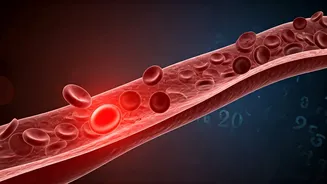
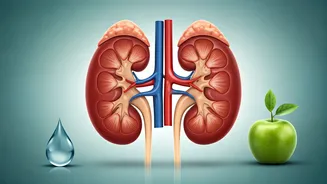
The insidious nature of diabetic kidney disease lies in its asymptomatic progression; individuals may feel perfectly healthy while irreversible damage is already occurring. The tiny blood vessels within the kidneys, crucial for filtering waste, become compromised by persistently high blood sugar levels, gradually diminishing their functionality. By the time noticeable symptoms manifest, the disease is frequently in an advanced stage. This underscores the critical importance of early awareness and preventative measures, especially in a country like India where diabetes prevalence continues to surge, transforming kidney protection into an essential daily commitment rather than a reactive medical response.
Steady Sugar Control
Maintaining optimal blood sugar levels requires more than sporadic efforts; consistent management is paramount. Frequent fluctuations, whether spikes or dips, subject the kidneys to continuous stress, progressively weakening their vital filtering capacity. Even seemingly minor variations, when persistent over time, can significantly contribute to the onset of complications. A stable, predictable blood glucose profile achieved through a regular routine offers far more robust protection than isolated instances of stringent control. Therefore, focusing on sustained equilibrium rather than infrequent strict adherence is the key to safeguarding kidney health from the detrimental effects of glucose variability.
Blood Pressure Vigilance
Just as critical as managing blood sugar is diligently monitoring and controlling blood pressure. The synergistic effect of high blood pressure and diabetes accelerates kidney damage by placing undue strain on the delicate vasculature within the kidneys. Even marginally elevated readings can accumulate damage over extended periods, making regular check-ups indispensable. Proactive identification and timely intervention to correct any hypertensive tendencies can significantly mitigate the long-term risk of kidney impairment. It's a vital dual approach that complements blood sugar control in preserving renal function.
Essential Kidney Checks
Given the often imperceptible onset of kidney damage in diabetes, routine screening tests are non-negotiable components of comprehensive diabetes care. These tests, typically involving assessments of albumin in urine and creatinine levels in blood, serve as early indicators of renal distress. Their simplicity and accessibility facilitate early detection, providing a crucial window of opportunity to implement interventions that can slow down or even halt the progression of kidney disease. Neglecting these regular screenings means missing vital opportunities to protect these essential organs.
Mindful Medication Use
The impact of everyday medications, including common painkillers and over-the-counter remedies, on kidney health is often underestimated. Frequent or indiscriminate use of certain drugs can negatively affect renal blood flow and exacerbate existing kidney strain. This doesn't necessitate avoiding all medications, but rather cultivating a mindful approach to their consumption. Always consult with a healthcare professional before initiating or regularly using any medication to ensure it aligns with your overall health, particularly your kidney status.
Balanced Hydration
While staying adequately hydrated is fundamental for overall health and kidney function, excessive fluid intake can disrupt bodily equilibrium. The kidneys require water to effectively flush out waste products, but an overabundance can be counterproductive. It is important to avoid extreme hydration fads and instead focus on meeting individual hydration needs based on personal physiology and activity levels. A balanced approach ensures optimal kidney performance without unnecessary strain.
Dietary Prudence
High-protein diet trends, often pursued for fitness and weight management, can place an additional burden on the kidneys. While protein is an essential nutrient, excessive intake can be taxing. A balanced dietary approach, tailored to individual needs and preferences, is far safer and more effective than blindly adhering to popular, potentially kidney-straining dietary regimens. Prioritizing moderation and professional dietary advice is key to supporting kidney health through nutrition.