





The Legend's Embrace
Nestled amidst Meghalaya's serene hills, not far from the bustling capital of Shillong, lies the enchanting Umiam Lake. This vast expanse of water, affectionately
called 'Barapani' or 'big water' by locals, carries a name steeped in emotion: the 'Water of Tears'. The Khasi language offers the etymological key, where 'Um' signifies water and 'iam' translates to tears. According to ancient Khasi folklore, this mystical lake owes its existence to profound sorrow. The legend recounts a tale of two celestial sisters who descended to Earth. During their journey, one sister tragically lost her way. The remaining sister, overcome with grief, wept inconsolably, and her tears, it is said, coalesced to form the very lake that captivates visitors today. This deeply moving narrative imbues Umiam Lake with a unique, almost ethereal aura, drawing travelers not only for its visual splendor but also for the echo of its melancholic origin.
Beyond Folklore's Touch
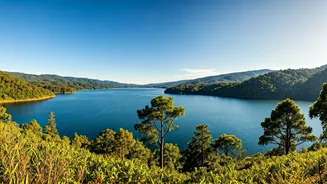
While the legend lends Umiam Lake a mystical charm, its reality is rooted in modern ingenuity. Established in the early 1960s, the lake is a testament to human endeavor, conceived as a critical component of a hydroelectric power project. Today, it stands as one of Northeast India's most significant man-made reservoirs, a substantial body of water providing essential resources. However, its functional purpose is beautifully complemented by its spectacular natural setting. Umiam Lake is dramatically cradled by rolling hills and adorned with verdant greenery, creating a picturesque panorama that changes with the rhythm of the seasons. This harmonious blend of engineering and nature transforms the lake into an indispensable attraction for anyone visiting Shillong, offering a serene escape and a feast for the eyes.
Seasonal Transformations
The allure of Umiam Lake is magnified by its distinct personality throughout the year, offering a unique spectacle in each season. During winter, the lake's surface often resembles a flawless mirror, reflecting the crisp, azure skies and the surrounding hills with astonishing clarity. This creates a scene of profound tranquility, a surreal vista that invites quiet contemplation. As the monsoon season arrives, the lake undergoes a breathtaking metamorphosis, embracing a misty, ethereal beauty that is simply captivating. The landscape becomes intensely green and lush, with clouds often swirling around the hillsides, adding to the dramatic and romantic ambiance. This constant change ensures that Umiam Lake offers a different, yet equally enchanting, experience to every visitor, regardless of when they choose to visit.
Journey and Experiences
Reaching the picturesque Umiam Lake is a straightforward endeavor, making it an accessible highlight for any Meghalaya itinerary. The closest air connectivity is through Guwahati's Lokpriya Gopinath Bordoloi International Airport, from where a scenic drive of approximately three hours will lead you directly to the lake's embrace. Similarly, Guwahati serves as the nearest major railway station. Upon arrival at Umiam Lake, the natural beauty is complemented by a variety of engaging activities. Visitors can immerse themselves in the tranquil waters through popular water sports, including kayaking and boating, which offer a fantastic way to explore the expansive reservoir and its surrounding vistas. The experience of gliding across the water, surrounded by such stunning scenery, is truly unforgettable and promises to wash away any worldly worries.
Optimal Visiting Times
For those planning a visit to the magnificent Umiam Lake, the period between October and April is widely considered the most opportune time. This window generally boasts less rainfall, ensuring clearer skies and more pleasant weather conditions for exploration and outdoor activities. However, the lake's charm is not diminished for rain enthusiasts; a trip during the monsoon months offers a different, yet equally spectacular, perspective. During this season, the landscape bursts into vibrant shades of green, with the mist often lending a magical, otherworldly quality to the surroundings. The sheer lushness and dramatic beauty of the lake during the monsoons are truly beyond words, creating an experience that needs to be felt rather than just read about.