






Navigating Teenage Changes
The teenage years are a whirlwind of physical and emotional transformations, from changing appearances to intense feelings. Amidst this period of self-discovery,
noticing changes in your hairline can be particularly unsettling, often feeling like a significant setback. It’s a concern that arises frequently, with many teens questioning why they might be experiencing a receding hairline at such a young age. This exploration delves into expert opinions to clarify whether such changes are cause for alarm or a normal part of adolescent development, helping you understand the nuances of your changing hairline.
Maturing Hairline Explained
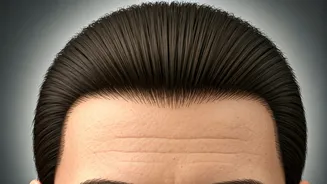
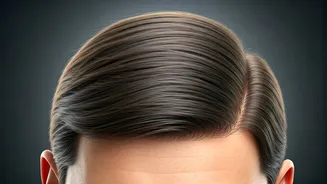
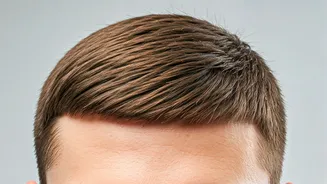
It's important to understand that a slight shift in your hairline during adolescence, particularly for boys, can be a perfectly normal aspect of facial development. This phenomenon is often termed a 'maturing hairline,' where the hairline gradually moves back in a subtle and consistent manner as the face structure evolves. Unlike noticeable hair thinning, this natural progression typically stabilizes without creating significant gaps or sparse areas. Dermatologists confirm that this gradual evolution is a common occurrence as individuals transition through their teenage years, reflecting the body's natural maturation process rather than a cause for immediate concern.
When It's More Serious
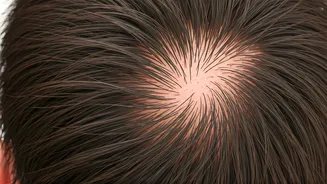
Distinguishing between a natural hairline maturation and genuine hair loss is crucial. While a maturing hairline is typically subtle and uniform, a clearly receding hairline or a noticeable increase in hair shedding could signal an underlying issue that warrants medical attention. Factors such as genetics, particularly early-onset male pattern baldness, can initiate hair follicle miniaturization sooner than anticipated. Beyond genetics, hormonal shifts during puberty, persistent stress, inadequate nutrition, or scalp conditions can also contribute to early hair fall. Recognizing the patterns—uneven thinning, sudden onset, or increased shedding, especially around the temples or crown—is key to identifying when professional consultation is necessary.
Seeking Expert Guidance
For teenagers experiencing signs of potential hair loss beyond a simple hairline maturation, a dermatologist's advice is paramount. It is strongly recommended to avoid self-medication or unproven remedies, as these can sometimes exacerbate the problem or delay proper diagnosis. Consulting a healthcare professional ensures an accurate evaluation of the specific causes contributing to hair thinning. Alongside professional medical guidance, adopting a holistic approach to hair health is beneficial. This includes maintaining a balanced diet rich in essential nutrients, effectively managing stress through various techniques, and practicing gentle hair care routines to support overall scalp and hair vitality.