




The Dark Truth About Night Lights
Many health experts emphasize the paramount importance of sleep, yet common household items like night lights can inadvertently sabotage it. Altering your
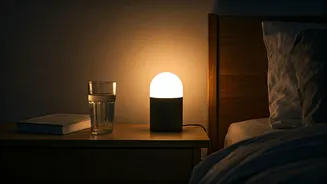
sleep environment, specifically by ensuring a cool and completely dark space, can significantly improve sleep quality and boost daily energy levels. Light exposure during the night is strongly associated with a heightened risk of depression, an increased likelihood of breast cancer, cognitive fogginess, and hormonal imbalances. As elucidated by PhD Joyce Walseben, light actively inhibits the secretion of melatonin, a crucial sleep hormone. Even if one manages to fall asleep, the brain can still perceive light through closed eyelids, leading to confusion and fragmented sleep. A cool, dark nighttime environment is fundamental for optimal hormone health, yet it's a standard practice to place lights in children's rooms. This pervasive use of artificial light throughout the night is a relatively recent phenomenon, only becoming commonplace within the last century, deviating significantly from natural cycles of light and darkness that historically governed human sleep patterns.
Illuminating Cancer and Sleep Links
A growing body of research is consistently revealing a correlation between nighttime light exposure and various health detriments, including an elevated risk of cancer. A report from the CDC and a comprehensive meta-analysis have uncovered a surprising link between insufficient sleep and an increased risk of developing cancer. Specifically, the CDC's findings indicated that women with profound blindness experienced less than half the risk of breast cancer compared to normally sighted women. Similarly, profoundly blind men had less than half the risk of developing other cancers than their normally sighted counterparts. Intriguingly, individuals who were legally blind but could still perceive light did not exhibit a reduced cancer risk, underscoring the significance of complete darkness. Furthermore, shift workers, who are routinely exposed to artificial blue light during nighttime hours, demonstrate a higher propensity for developing cancer. Research consistently shows that shift work significantly escalates the risk of mortality from all causes, largely attributed to circadian rhythm disruption and abnormal light exposure patterns.
Protecting Children's Sleep Hygiene
Beyond diminishing sleep quality, nighttime light exposure can also lead to shorter sleep durations, creating a cascade of further health complications, especially for children. A 2024 study published in Biomedicines highlights that children who experience high-quality sleep are less prone to struggles with obesity. The research also points to healthy sleep as having a positive influence on epigenetics, the mechanisms that regulate genes associated with obesity. Chronic sleep deprivation can contribute to weight gain by interfering with how the body metabolizes and stores carbohydrates. It can also negatively alter hormone levels that directly impact appetite regulation. Dr. Zee, the director of the Sleep Disorders Center at Northwestern Memorial Hospital, emphasizes that "Perhaps even more important than sleep duration is the effect of day to day variability of sleep wake timing on weight regulation." This variability in sleep patterns can have a more significant impact on weight management than the sheer amount of sleep obtained.
The Pillars of Healthy Child Sleep
Sleep is universally vital, but its role is particularly critical for developing children. This is the period when the brain undergoes essential processes, including clearing out the day's stresses, organizing new information, and allowing the body to enter a state of recovery and repair. Children who do not obtain sufficient sleep or whose sleep is frequently disrupted are at a higher risk of experiencing a range of adverse effects. These include weakened immune systems and increased susceptibility to allergies, heightened anxiety and depression, increased risk of obesity, diabetes, and future high blood pressure, diminished academic performance, and difficulties with concentration. Furthermore, inadequate sleep can lead to learning and memory problems, symptoms resembling ADHD, frequent mood swings and irritability, elevated stress hormone levels, and irregular heart rhythms. Daytime sleepiness is another common consequence, which often exacerbates many of these other issues. The blue light emitted from screens and most night lights is particularly detrimental at night because it signals to the brain that it is daytime, thus disrupting natural circadian rhythms. Conversely, obtaining adequate morning sunlight is equally crucial for establishing healthy circadian rhythms throughout the day, setting the stage for restorative nighttime sleep.
Crafting a Restorative Sleep Haven
Establishing a daily habit of seeking morning sunshine has proven beneficial, and many children have adopted this practice. Modeling a positive nighttime routine and implementing practical changes within the home's lighting are also key components of achieving better sleep. This involves switching to amber lights in the evenings and, where necessary, using red light in specific areas like bathrooms at night. For adults, transitioning to complete darkness is a relatively straightforward process. However, it can be more challenging for children, particularly those who have a fear of the dark or are accustomed to nightlights. Given the extensive research highlighting the importance of nighttime darkness, encouraging children to adapt to this environment is a worthwhile endeavor. While it may take some time, children can eventually adjust to sleeping in darkness, leading to significant improvements in their sleep patterns.
Transitioning Away From Nightlights
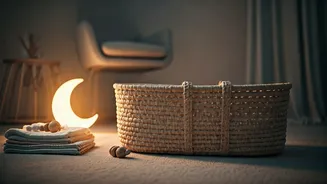
As children grow older, their bedrooms can be adapted to reflect their developmental stages. Older children can adopt a similar sleep setup to that of their parents' bedroom, emphasizing darkness. When children are younger, a systematic approach can help them transition into a healthier sleep environment. This process involves removing night lights, standard alarm clocks, and any other devices emitting light. Maintaining a cool room temperature, potentially using a mattress cooling pad if needed, is also recommended. Covering windows to block artificial light from streetlights can further enhance darkness and also contribute to heating and cooling efficiency. For children who might be unsettled by complete darkness, ambient noise, such as the sound of rain, can be a soothing aid for staying asleep. Modern air filters in bedrooms can provide a consistent source of white noise. Additionally, lamps with specific light bulbs, such as amber or red-toned bulbs, can be used for winding down in the evening. Once it's time for bed, these lights should be turned off. Red-toned bulbs can also be strategically placed in hallways and bathrooms to provide visibility without disrupting the darkness in bedrooms, allowing children to navigate safely at night without the disorienting effects of blue light.
Practical Tips for Deeper Sleep
Implementing a structured bedtime routine can significantly aid children in their transition to a sleep environment free from disruptive light. This routine might begin with turning on a sound machine and reading a book by lamplight. Once reading is complete, the main lights are turned off, but the door can remain slightly ajar with a salt lamp in the hallway providing dim, warm light. Gradually, the aim is to progress towards sleeping with the door closed and in complete darkness. To further support children in avoiding blue light and achieving better sleep, several practical strategies can be employed. Screens should be put away after dark, and a DIY charging drawer can be a helpful organizational tool for devices. If screen use is unavoidable, blue light-blocking glasses or specialized devices designed to emit minimal blue light can be utilized. A warm cup of chamomile tea blended with a small amount of raw honey and butter can be a soothing way to wind down; the healthy fats support hormonal balance, while the chamomile provides a calming effect. Applying magnesium lotion to the feet and legs before bed can promote relaxation and sleep, as magnesium offers numerous health benefits. While switching to organic mattresses can be beneficial, particularly for children with allergies, the impact of light on sleep is generally considered more significant. Therefore, while mattress changes are valuable, prioritizing the creation of a dark sleep environment should come first.
Empowering Children in the Process
Children often make sound health choices when provided with the necessary information and context. Engaging older children in conversations about why night lights are detrimental to their sleep health can empower them to be active participants in the decision-making process of eliminating them. It's remarkable how inherently intelligent and curious children are, capable of devising thoughtful solutions when given the opportunity. This approach aligns with a parenting style that fosters critical thinking and encourages children to take ownership of their well-being. By explaining the science behind sleep and darkness in an age-appropriate manner, parents can help children understand the importance of a dark sleep environment and motivate them to embrace the change.