




Dough Consistency is Key
Achieving a superior stuffed bhatura hinges significantly on the initial dough preparation. For a supple yet resilient dough, incorporate ingredients like
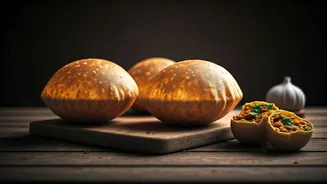
yoghurt, a touch of semolina, baking powder, and a hint of sugar. These elements contribute to both softness and structural integrity. When kneading, utilize lukewarm water; this facilitates a smooth, pliable dough that is less prone to cracking during the crucial rolling stage. A well-kneaded dough is the foundation for bhaturas that hold their stuffing and puff beautifully, preventing the common woes of splitting and leakage into the hot oil. Mastering this step ensures a strong base for all subsequent techniques, setting you up for success in creating those coveted soft, fluffy discs.
The Importance of Resting
Don't underestimate the power of patience when preparing your bhatura dough. Allowing the dough to rest undisturbed for at least one to two hours is a critical step that significantly enhances its texture and manageability. During this resting period, the gluten network within the flour develops and relaxes. This relaxation makes the dough considerably easier to shape and roll out without resistance or tearing. Furthermore, this extended rest period contributes directly to the final softness and fluffiness of the bhaturas once they hit the hot oil. A properly rested dough is more forgiving and yields a lighter, airier final product, making it an indispensable part of the process for achieving that perfect bhatura texture.
Dry, Firm Filling Matters
The nature of your stuffing plays a pivotal role in preventing your stuffed bhaturas from breaking. Specifically, if you're using a paneer filling, it's imperative to ensure it is completely moisture-free. Any excess water within the stuffing can compromise the dough's strength, making it susceptible to tearing and allowing the filling to seep out during cooking. Beyond dryness, the consistency of the stuffing should be firm and well-managed. Balance your spices to enhance the flavour profile without introducing unnecessary moisture. A dry, well-seasoned, and firm filling is easier to encase within the dough and less likely to cause structural issues, contributing to a cleaner frying process and a better end result.
Seal, Roll Gently
The way you handle the stuffed dough ball is paramount to its integrity. After filling, always ensure the dough is sealed completely and securely. A thorough seal prevents any of the stuffing from escaping into the cooking oil. When it comes to rolling, employ a gentle and consistent approach. Use light pressure, and aim for a technique where the center of the bhatura is slightly thicker than its edges. This strategic thickness difference helps to prevent the dough from tearing during the frying process. Careful sealing and gentle rolling are fundamental techniques that safeguard the filling's containment and the bhatura's shape.
Fry at Correct Heat
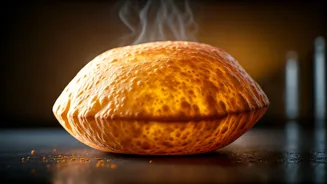
The temperature of your frying oil is a non-negotiable element for achieving perfectly puffed bhaturas. The oil must be adequately heated before you introduce the dough. When the oil is at the correct temperature, the bhatura will puff up almost immediately upon contact, creating a light and airy interior. If the oil is too cool, the dough will absorb excessive amounts of oil, becoming greasy and dense, and critically, it will fail to puff up properly. Maintaining a consistent, optimal frying temperature is key to achieving that signature puffed texture and preventing a soggy, undercooked result.
Encourage Even Puffing
Once your bhatura has been carefully placed into the hot oil, there's a simple yet effective technique to ensure it puffs up uniformly. As it begins to cook and expand, use a slotted spoon to gently press down on the bhatura. This gentle pressure encourages an even rise, helping the entire disc to inflate and develop its characteristic light, airy texture. This subtle manipulation not only aids in achieving the desired puff but also contributes to the overall visual appeal and desirable mouthfeel of the final product. Patience and a gentle touch during this stage are key to obtaining that perfectly rounded, fluffy bhatura.