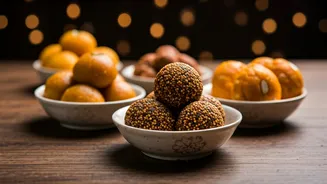

Embrace Buckwheat (Kuttu)
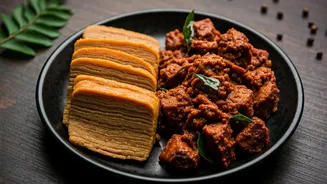
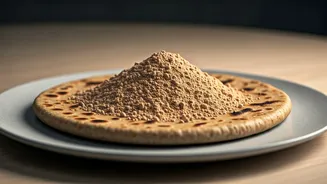
Kuttu halwa, crafted from buckwheat flour, is a beloved choice, especially during fasting periods like Navratri. The process begins with dry-roasting the
buckwheat flour until it turns fragrant, signifying it’s perfectly toasted. This step enhances the nutty flavor, forming the base of the halwa. Next, ghee is gently heated, and the roasted flour is added. The mixture is continuously stirred, ensuring a smooth consistency and preventing lumps from forming. Simultaneously, water and sugar are boiled together to create a syrup, which is then gradually added to the flour and ghee mixture. Continuous stirring is essential to absorb the syrup fully and achieve the desired consistency. The halwa is cooked until it thickens, pulling away from the sides of the pan. Finally, it’s garnished with chopped nuts like almonds and cashews, providing a textural contrast and visual appeal. Kuttu halwa stands out not only for its flavor but also its suitability for those observing fasting traditions. Its simple yet satisfying preparation and the deep, nutty undertones make it a cherished treat.
Lauki Halwa's Delights
Lauki halwa, made from bottle gourd, presents a unique and refreshing twist to the halwa experience. The recipe starts with grating the bottle gourd, which removes excess water. Then, the grated gourd is cooked with ghee until it softens. Milk, usually full-fat, is added to the mixture, infusing it with richness and creaminess. The halwa simmers as the milk reduces, thickening and enhancing the flavors. Sugar is introduced to sweeten the mixture and is stirred in until it completely dissolves, further contributing to the consistency. The halwa is stirred constantly, preventing sticking and burning. This patient cooking process allows the flavors to meld beautifully. Once the desired consistency is achieved, the halwa is garnished with cardamom powder and chopped nuts, adding an aromatic and textural dimension. The use of lauki, a vegetable, infuses the halwa with a subtle, refreshing taste, making it a delightful option during winter. The creamy texture and gentle sweetness of lauki halwa make it a popular treat across various regions.
Amaranth Halwa's Goodness
Amaranth halwa offers a nutritious and flavorful alternative to conventional sweets, blending health with taste. The preparation begins with dry-roasting amaranth flour, enhancing its natural nutty essence. The roasted flour is then mixed with ghee, ensuring it is well-coated to maintain a smooth texture. Simultaneously, sugar syrup is prepared by dissolving sugar in water, creating a sweet base that binds the halwa together. The syrup is added gradually to the amaranth and ghee mixture, carefully stirred to prevent lump formation, and ensuring even distribution. The halwa is cooked on low heat, allowing the flavors to meld and the mixture to thicken. During the cooking process, milk or water may be added to achieve the desired consistency. Once the halwa reaches a thick consistency, cardamom powder and chopped nuts are added, adding a layer of flavor and texture. Amaranth halwa is particularly valued for its nutritional content, being rich in proteins and fiber, offering a wholesome treat perfect for the winter months. This halwa provides not only a delicious flavor but also a healthy option.
Pumpkin Halwa's Charm
Pumpkin halwa, with its vibrant color and rich flavor, brings warmth and sweetness during winter. The preparation begins with grating fresh pumpkin, which forms the base of this delightful sweet dish. The grated pumpkin is then gently sautéed with ghee, allowing its natural sweetness to develop, creating a lovely depth of flavor. In this step, the pumpkin softens and begins to release its juices. Milk is added to the pumpkin mixture, bringing creaminess and richness, allowing the flavors to meld. Sugar is then introduced to sweeten the halwa to the perfect balance. Constant stirring is essential to prevent the mixture from sticking and burning. The mixture is cooked until it thickens and the pumpkin softens, absorbing the flavors. Cardamom powder and chopped nuts are then added for aroma and visual appeal, enhancing the overall sensory experience. Pumpkin halwa is a popular choice, particularly during festive occasions, celebrated for its unique taste and visually appealing orange hue, making it a delicious and comforting treat for the winter.
Channa Dal Halwa Bliss
Channa dal halwa offers a unique texture and flavor profile, appealing to those who appreciate a slightly grainy texture. The preparation begins with soaking channa dal overnight, softening the lentils. The soaked dal is then ground into a coarse paste, ensuring the final texture of the halwa. The paste is then slow-cooked with ghee, allowing the flavors to deepen and the lentils to cook through. This step requires patience to achieve the right consistency. Sugar is added to sweeten the halwa, and it's cooked further, allowing the sugar to dissolve, integrating the sweetness with the lentils. Milk or water is added to adjust consistency, keeping the halwa from becoming too dry. Constant stirring is essential to prevent burning and ensure even cooking. The mixture is cooked until it thickens and pulls away from the sides of the pan, indicating it’s ready. Cardamom powder and chopped nuts provide the final touch, adding aroma and texture. Channa dal halwa is often prepared during festivals and celebrations, and its slightly grainy texture and rich, sweet taste make it a unique and satisfying winter treat.
Ragi Halwa's Comfort
Ragi halwa, made from finger millet (ragi) flour, provides a nutritious and delicious dessert, perfectly suited for the winter months. To make ragi halwa, the ragi flour is dry-roasted until fragrant, which brings out the nutty aroma and enhances the flavor profile. This pre-roasting step is key. The roasted flour is then mixed with ghee, allowing it to coat the particles and create a smooth base for the halwa. Sugar syrup is prepared by dissolving sugar in water, creating the sweet foundation that binds the halwa ingredients together. The syrup is then slowly added to the ragi and ghee mixture, ensuring even distribution and preventing lumps. The mixture is then cooked on low heat, allowing it to thicken and the flavors to blend. Milk or water may be added to achieve the desired consistency, creating a soft, melting texture. Cardamom powder and chopped nuts provide a final touch, adding aroma, flavor, and texture. Ragi halwa is known for its health benefits, and its warm, comforting taste makes it a popular dessert during the cooler season, offering both taste and nutrition.