



Fundamental Cuts Explained
Embark on your culinary journey by understanding the bedrock of kitchen efficiency: precise knife cuts. Mastering fundamental techniques not only speeds
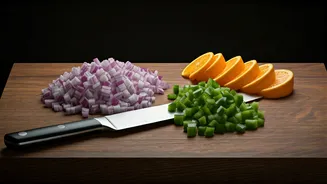
up your preparation but also ensures ingredients cook evenly and present beautifully. Think about the 'slice' – a straightforward cut that can be lengthwise, meaning along the longest axis of an ingredient, or crosswise, cutting against the grain or length. This distinction is crucial for texture and cooking time. Consider the 'dice,' a cube-shaped cut achieved through a series of precise slices and cuts. You'll encounter terms like 'batonnet,' which refers to a stick-like cut, often the precursor to a dice. Understanding these basic building blocks allows you to tackle more complex preparations with confidence. For instance, learning to 'chiffonade' involves finely slicing leafy greens into ribbon-like strands, transforming simple herbs into elegant garnishes. Each cut has a purpose, contributing to the final dish's success and your own kitchen dexterity.
Taming Common Ingredients
Transforming everyday ingredients into culinary masterpieces is all about the right approach with your knife. Take the humble onion, for example; learning to 'dice an onion like a pro' involves careful slicing to create uniform pieces that caramelize beautifully. When dealing with fruits, the technique varies greatly. 'How to cut a fresh pineapple' might involve trimming the crown and base, then slicing off the rind and removing the core before cutting into desired shapes. Similarly, 'how to peel an avocado' requires a gentle touch to avoid bruising the creamy flesh. For vegetables like yuca, understanding 'how to cut and cook yuca' involves peeling its tough skin and then cutting it into manageable pieces for boiling or frying. Even something as simple as 'how to mince ginger' requires a specific motion to break it down into tiny, flavorful fragments. These specific ingredient preparations are cornerstones of efficient and effective cooking.
Poultry and Meat Mastery
Tackling proteins with precision showcases advanced knife skills that enhance both presentation and cooking. When it comes to poultry, techniques like 'how to cut up a whole chicken' involve breaking down the bird into its constituent parts using the backbone and joints as guides. 'How to carve a chicken' or a turkey requires a sharp knife and a methodical approach to slice through the meat cleanly, ensuring tender portions. For meats, understanding 'the ABCs of slicing meat' is paramount; this often means slicing against the grain to maximize tenderness. Consider 'how to butterfly a boneless pork chop,' a technique that involves slicing the chop horizontally to create a thinner, more evenly cooking cut. Each of these methods demands a keen understanding of the meat's structure and the appropriate use of your knife to achieve professional results.
Knife Care and Sharpening
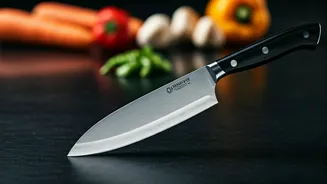
The sharpest knife is the safest and most efficient knife, making proper care and sharpening indispensable. It's not just about the cut; it's about maintaining the tool that makes it possible. 'How to sharpen a serrated knife,' for instance, requires a different approach than a straight-edged blade, often involving a specific sharpening tool or rod to follow the teeth. For straight edges, 'how to use a knife sharpening steel' is crucial for realigning the blade's edge between full sharpenings, keeping it keen. Regular honing and occasional sharpening will ensure your knives perform at their best, preventing frustrating slips and tedious chopping. Investing time in maintaining your cutlery is as important as learning the cutting techniques themselves, ensuring longevity and safety in your kitchen endeavors.