




Altitude's Diabetes Puzzle
For a long time, a fascinating observation has puzzled scientists: communities residing in high-altitude regions, such as the Andes and Himalayas, generally
exhibit lower incidences of diabetes. While this correlation has been evident for years, the underlying biological mechanisms responsible for this phenomenon have remained elusive. Recent scientific investigations are now shedding light on a potential explanation, pointing towards the body's adaptive responses to environments with reduced oxygen levels as the critical factor. This emerging understanding shifts the focus from solely insulin-centric views of diabetes to a broader metabolic perspective involving cellular adaptations in hypoxemic conditions.
Oxygen Deprivation's Impact
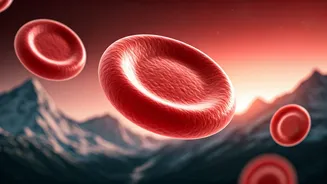
The human body is remarkably adept at making adjustments when faced with environments low in oxygen, a condition known as hypoxia, which is typical at elevated altitudes. Emerging research, particularly an experiment conducted on mice, suggests that one of these crucial adaptive mechanisms might have a direct and significant influence on regulating blood sugar levels. The study revealed that in an oxygen-depleted atmosphere, red blood cells adopt a new strategy: instead of using glucose as their primary energy source, they absorb excess glucose from the bloodstream. This absorbed glucose is then ingeniously transformed into a compound that facilitates the efficient distribution of oxygen throughout the body's tissues, thereby improving oxygen delivery where it's needed most during low-oxygen stress.
Unlocking the Mystery
To thoroughly investigate this link, researchers designed a specific experiment. They exposed one group of mice to an atmosphere containing a mere 8% oxygen, mimicking the conditions found at high altitudes, while a control group remained in a standard environment with 21% oxygen. After several weeks of this controlled exposure, both groups were administered glucose injections. The results were striking: the mice from the low-oxygen environment demonstrated significantly diminished spikes in blood glucose levels, indicating a notably faster rate of sugar processing. This enhanced glucose metabolism persisted even after the mice were returned to normal oxygen conditions, suggesting that lasting metabolic adaptations had occurred. Detailed analysis of the data showed that the observed reduction in blood sugar was more profound than could be explained by glucose uptake in typical organs like the liver or muscles, leading the scientists to suspect a more direct role for the blood cells themselves.
Red Cells Take Center Stage
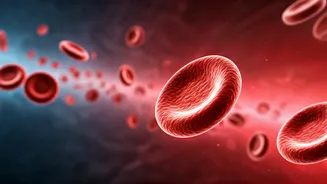
Subsequent experiments firmly established the pivotal role of red blood cells in this glucose-lowering effect. Researchers found that when red blood cell counts were reduced in mice experiencing oxygen deprivation, the anticipated decrease in blood sugar was eliminated. Conversely, an increase in red blood cell concentration in mice under normal oxygen conditions led to a reduction in their blood sugar levels. Further investigation revealed that under low-oxygen conditions, red blood cells absorbed approximately three times more glucose than usual. Crucially, these cells also exhibited elevated levels of GLUT1, a protein essential for facilitating glucose transport into cells. The absorbed glucose was then converted into a substance that binds to hemoglobin, the oxygen-carrying protein, which in turn aids in releasing oxygen from hemoglobin, a vital function during periods of oxygen scarcity. This leads to the logical conclusion that increased red blood cell activity results in greater glucose utilization, consequently lowering overall blood glucose.
New Diabetes Treatment Avenues
The groundbreaking findings from this research hold considerable promise for developing entirely novel approaches to managing and treating diabetes. One such promising avenue involves exploring experimental drugs like HypoxyStat, which are designed to artificially induce a state of oxygen deficiency within the body. This effect is achieved through the interaction of hemoglobin with oxygen, potentially mimicking the beneficial metabolic changes observed in high-altitude dwellers. However, scientists emphasize that significant further research and rigorous testing are imperative before any such treatments can be considered safe and effective for human trials. Regardless, this study offers a profound shift in our understanding of diabetes, moving beyond a singular focus on insulin to encompass the intricate interplay between red blood cells, oxygen regulation, and glucose metabolism.