





A Tapestry of Time
Lodhi Garden, an esteemed green expanse in the heart of Delhi, has recently commemorated its 90th anniversary. This celebrated park is far more than just
a recreational area; it acts as a living bridge connecting the city's rich historical tapestry with its dynamic present. Its unique character is defined by the seamless coexistence of ancient architectural marvels from the 15th century and the bustling daily routines of thousands of Delhiites. It stands as a testament to how history can be interwoven with everyday existence, providing a space where the past is not just remembered but actively lived alongside. The garden's evolution mirrors Delhi's own growth, making it an indispensable part of the capital's identity and a beloved sanctuary for its residents.
Monuments Amidst Nature
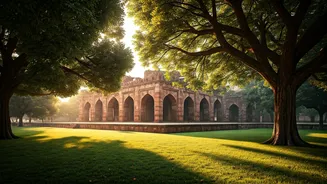
The very foundation of Lodhi Garden is steeped in history, as it is a custodian to significant monuments dating back to the Sayyid and Lodi dynasties of the 15th century. These historical structures, including impressive tombs and mosques, were erected long before the modern city of Delhi took its current shape. This makes the garden an extraordinary site where one can walk amidst centuries-old architecture, experiencing a tangible connection to bygone eras. Unlike many historical sites that are preserved behind barriers, these monuments are an integral part of the garden's landscape, often serving as backdrops for daily activities. This intimate integration allows visitors to appreciate the grandeur of these relics while enjoying the tranquility of the park, fostering a profound sense of historical awareness and appreciation.
From Lady Willingdon's Vision
The genesis of Lodhi Garden can be traced back to the British colonial era, when it was initially established and known as Lady Willingdon Park. Its transformation and subsequent renaming to Lodhi Garden signify a deliberate effort to acknowledge and honor its profound historical connections to the Lodhi dynasty. This shift in nomenclature reflects a deeper recognition of the area's intrinsic link to India's pre-colonial past. The evolution from a park bearing a colonial name to one named after an indigenous dynasty underscores a narrative of reclaiming and celebrating local heritage. This historical transition highlights the garden's evolving identity and its enduring significance as a repository of Delhi's multifaceted history.
Ninety Years of Serenity
In its current incarnation, Lodhi Garden has been a vital green lung for Delhi for approximately nine decades. Over its nearly 90-year existence, it has undergone significant transformation, adapting to the relentless pace of urban development that has characterized the city. It has successfully maintained its status as a crucial green refuge, offering a much-needed respite from the concrete jungle that surrounds it. This enduring presence as an urban oasis is a testament to its importance in providing ecological balance and a tranquil escape for city dwellers amidst rapid expansion. Its longevity is a symbol of resilience and its role as a constant source of calm.
Daily Life's Canvas
Lodhi Garden has masterfully woven itself into the fabric of daily life for thousands of Delhi residents. It is a place where the heritage of the past harmoniously blends with the activities of the present. Every day, the park buzzes with a diverse range of people: early morning walkers seeking exercise and fresh air, yoga enthusiasts finding their center amidst the tranquil surroundings, couples enjoying quiet moments, and individuals seeking solace in solitude. This constant stream of activity underscores its role as a democratic public space, accessible and cherished by all. The garden serves as a daily retreat, a place where leisure, community, and historical exploration converge seamlessly, making it an indispensable part of the city's rhythm.
Cultural Icon's Presence
Beyond its role as a historical site and a community hub, Lodhi Garden has also ascended to the status of a cultural icon. Its picturesque lawns and the evocative ambiance created by the ancient monuments have made it a popular backdrop for numerous films and other forms of popular culture. This cinematic and cultural presence has further solidified its identity, extending its recognition beyond just being a local park. It is now widely perceived as an intrinsic element of Delhi's cultural landscape, representing the city's unique blend of history and modernity. Its aesthetic appeal and historical significance make it a sought-after location that amplifies its celebrated status.
Enduring Legacy and Coexistence
Over its remarkable 90-year journey, Lodhi Garden has demonstrated exceptional resilience and adaptability. It has navigated through changing times, successfully preserving its invaluable historical monuments and maintaining its rich ecological biodiversity. This enduring commitment has allowed it to remain a rare and precious space where the pillars of history, nature, and community can coexist in perfect harmony. Its continued existence is a powerful symbol of continuity, showcasing how heritage sites can thrive and remain relevant in a rapidly developing urban environment. Lodhi Garden stands as a beacon, illustrating the profound value of preserving such unique spaces for future generations.