







Heritage Through New Eyes
Relocating to a different country often provides a unique vantage point, allowing individuals to re-examine their cultural heritage with fresh perspective.
When familiar customs and traditions from one's homeland are encountered in a new societal context, they can suddenly acquire a heightened sense of value and significance. This phenomenon is particularly resonant for members of the global diaspora, who frequently experience a bittersweet irony. They often find that practices once considered commonplace or even unremarkable in their native land are enthusiastically embraced and marketed as sophisticated, exclusive, or 'exotic' by others. This process of rediscovery, prompted by distance and external appreciation, can bring the overlooked treasures of their own cultural background into sharp focus, prompting a reevaluation of what was previously taken for granted.
The Haldi Doodh Phenomenon
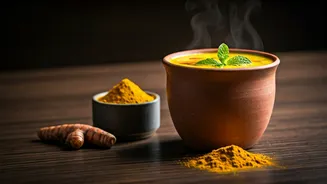
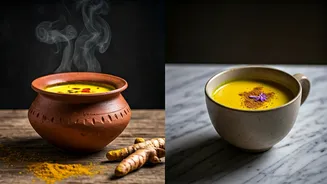
An Indian woman residing in Australia recently sparked a widespread conversation by sharing her observations on how deeply ingrained Indian traditions are perceived differently abroad. Through her social media platform, she articulated the stark contrast between the everyday acceptance of these customs within India and their elevated status as 'wellness trends' and high-value commodities in Western markets. She pointed to the widespread popularity of the 'turmeric latte,' a beverage commanding premium prices in Australian cafes. Recalling her own childhood, she humorously noted how 'haldi doodh,' a staple made with similar ingredients and offering the same comforting warmth, was often met with reluctance, colloquially dismissed as unappealing. This highlights how the same beneficial, traditional drink is rebranded and repackaged to appeal to a Western audience seeking novel wellness solutions.
From 'Old-Fashioned' to 'Gold'
The revaluation of Indian traditions extends beyond culinary delights to tangible crafts as well. The same woman shared an anecdote about a handmade dupatta from her home, an item that previously garnered little attention, now being sold for a significant sum, around $200, in Western boutiques. This observation underscores a broader sentiment: that Indian culture is not necessarily lost to the West, but rather that its own people sometimes lose sight of its inherent worth. The declaration, 'We call it old-fashioned; they call it gold,' encapsulates this realization. Many in the Indian diaspora resonated deeply with this perspective, acknowledging that the decision to label certain traditions as outdated was a critical turning point in their perception. This shift in viewpoint often occurs when external validation prompts a reawakening of pride and appreciation for one's cultural roots, recognizing the intrinsic value that has always been present.
Social Media Echoes
The sentiments expressed about the global revaluation of Indian traditions quickly found a strong echo across social media platforms. Users widely agreed that external appreciation often serves as a catalyst for recognizing the true value of their own heritage. The transformation of 'haldi doodh' into the trendy 'turmeric latte' was frequently cited as a quintessential example of this phenomenon. Many commenters expressed nostalgia for home, intertwined with a newfound sense of pride in their origins. The idea that ancestral wisdom, embodied by practices passed down through generations, is now being codified as modern 'wellness trends' resonated deeply. This collective online discussion highlighted a shared experience among the diaspora: the realization that many of the concepts now celebrated as innovative and beneficial were, in fact, well-established practices within Indian households for centuries, often overseen by grandmothers who possessed an innate understanding of health and well-being.