



What Is Sattu?
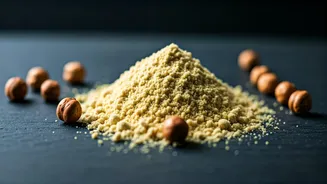
Sattu is a revered flour crafted from dry-roasted gram, predominantly Bengal gram or chana. This meticulous roasting process, carried out at high temperatures,
not only intensifies its earthy, nutty flavour but also enhances its digestibility and gives it a unique character. The most prevalent form, chana sattu, derived from roasted chickpeas, boasts the highest protein content and enjoys widespread use. For those seeking a lower glycemic index, particularly during warmer months, jau ka sattu, made from roasted barley, offers a cooling effect. The market also features multi-grain sattu, a blend of various grains and pulses, designed to provide a more comprehensive nutritional spectrum. Historically, sattu has been the sustenance of choice for individuals engaged in strenuous physical labour, including farmers, construction workers, wrestlers, and long-distance travellers. Its practicality lies in its lightweight nature, requiring no cooking, dissolving effortlessly in water, and providing prolonged satiety, truly earning its title as the original protein shake.
Nutritional Powerhouse
A 100-gram serving of chana sattu is a nutritional marvel, delivering approximately 26 grams of protein, 60 grams of carbohydrates, and a substantial 18 grams of dietary fibre. It also provides 7 grams of fat, along with significant mineral content, including 380 mg of calcium, 270 mg of magnesium, 8.7 mg of iron, and 825 mg of potassium, all while containing around 413 calories. To put its protein density into perspective, most commercially available whey protein powders offer between 20 to 25 grams of protein per serving. Sattu achieves a comparable protein level from a whole, natural food source, at a considerably lower cost, and uniquely offers substantial fibre, a component often absent in typical protein supplements.
Abundant Health Benefits
Sattu is a treasure trove of essential minerals vital for well-being. Its iron content combats fatigue and sustains energy levels, while calcium fortifies bones, making it an excellent alternative for those avoiding dairy. Magnesium plays a crucial role in maintaining heart function and aiding muscle recovery. Beyond its mineral richness, sattu acts as a potent natural coolant, especially beneficial in hot climates, hydrating the body and regulating temperature, unlike sugary beverages that can induce dehydration. Its high dietary fibre content is a boon for digestion, preventing constipation, reducing bloating, and nurturing beneficial gut bacteria. For weight management, the synergistic effect of high protein and fibre promotes long-lasting fullness, curbing appetite when consumed as a drink. Sattu's low glycemic index ensures a gradual release of sugar into the bloodstream, aiding blood sugar regulation and preventing energy crashes. Furthermore, its fibre and minerals contribute to cardiovascular health by lowering LDL cholesterol and supporting healthy blood pressure. The comprehensive nutrient profile, including antioxidants, bolsters immunity and aids muscle repair, making it an ideal post-workout recovery food. Even skin and hair benefit, with sattu promoting elasticity and strength.
Who Should Eat Sattu?
Sattu is remarkably inclusive, suitable for individuals across all age groups, from growing children to seniors. For youngsters, it provides vital nutrients for healthy development and an energy boost free from artificial additives. Women, particularly during pregnancy and lactation, will find its iron and calcium content indispensable. Men benefit from the protein and magnesium combination, supporting muscle vitality and heart health. Older adults can rely on sattu for its ease of digestion, calcium for bone integrity, and its suitability as a light, nourishing drink. A word of caution: due to its high fibre content, introducing sattu gradually is recommended to avoid potential bloating. Individuals prone to kidney stones should consult a doctor, as sattu contains oxalates. While chana sattu is naturally gluten-free, those with gluten sensitivities should verify labels on multi-grain variants to ensure they are wheat-free.
Simple Sattu Recipes
Incorporating sattu into your diet is effortless with these delightful recipes. The Namkeen Sattu Sharbat is a quick, no-cook classic: simply whisk 4 tablespoons of sattu powder with 2 cups of chilled water, 2 tablespoons lemon juice, finely chopped mint and coriander, optional green chilli, roasted cumin powder, and black salt. Serve over ice, stirring before each sip. For a sweeter palate, the Sweet Sattu Sharbat replaces sugar or jaggery for a child-friendly option, mixing 4 tablespoons of sattu with 2 cups of water, 2 tablespoons of sweetener, lemon juice, a pinch of black salt, and optional cardamom. For a hearty meal, Sattu Paratha is a filling choice. Prepare a simple whole wheat dough and a flavourful filling by combining 1 cup sattu powder with finely chopped onion, green chillies, coriander, ajwain, kalonji, mustard oil, lemon juice, salt, and hing. Stuff the dough, roll, and cook on a tawa until golden brown. These recipes showcase sattu's incredible versatility and ease of use.