



Origin Matters: Earth vs. Lab
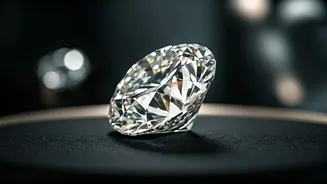
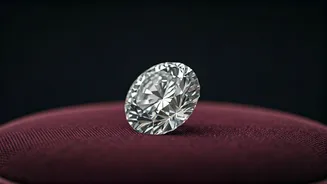
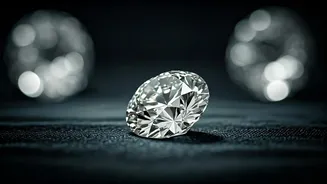
When selecting your diamond, you'll encounter two primary origins: naturally occurring earth-mined diamonds and those created in a laboratory. It's crucial
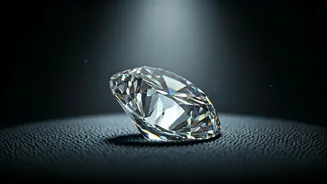
to understand that lab-grown diamonds are not imitations; they are chemically and visually identical to their natural counterparts. The fundamental difference lies in their creation process. Because they are formed under controlled laboratory conditions, they typically come with a more accessible price tag. Therefore, your initial decision should revolve around whether you value the traditional allure and perceived investment of a natural stone or the cost-effectiveness and ethical considerations often associated with lab-grown options. Making this choice upfront will significantly streamline your entire buying journey and help you focus your search effectively.
Shape Your Sparkle
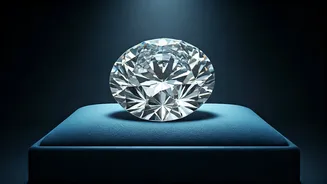
The shape of your diamond significantly influences its appearance and price. While the classic round brilliant cut remains the most sought-after, its popularity comes with a premium due to the extensive material wastage during its precise cutting process. If you're flexible, exploring 'fancy' shapes can offer excellent value. Cuts like oval, cushion, emerald, pear, and princess shapes often utilize material more efficiently, which can translate into a lower cost for a stone of equivalent carat weight. Furthermore, these alternative shapes can sometimes appear visually larger than a round diamond of the same weight, offering a beautiful illusion of size without a proportionally higher price, making them a smart choice for budget-conscious buyers.
Decoding the 4 Cs
To truly grasp a diamond's worth, understanding the '4 Cs' – Cut, Colour, Clarity, and Carat – is paramount. Think of the cut as the diamond's personality; it dictates how brilliantly it reflects light and sparkles. An exceptional cut can make even a diamond with slight imperfections captivating. Colour refers to the absence of hue; the most prized diamonds are virtually colourless, graded on a scale from D (colourless) to Z (light yellow or brown). Clarity assesses the presence of internal inclusions or external blemishes; the fewer and smaller these imperfections, the higher the clarity grade. Finally, carat is the unit of weight for diamonds, where one carat equals 200 milligrams. It's important to remember that carat weight doesn't solely determine size, as cut and shape also play a role in how large a diamond appears.
Budget Wisely, Compromise Smartly
Discard any outdated notions about spending a specific amount, like two months' salary, on a diamond. Your budget should be dictated by your personal financial comfort and priorities. Set a realistic spending limit before you begin your search and adhere to it. To maximize your budget, learn where you can make intelligent compromises. For instance, a slight reduction in colour grade or a microscopic flaw in clarity that isn't visible to the naked eye might allow you to invest more in a superior cut or a larger carat weight without exceeding your budget. This strategic approach ensures you get the most value and beauty for your money.
Essential Paperwork, True Value
Purchasing any significant item without verifiable documentation would be unwise, and diamonds are no exception. Always insist on receiving a grading certificate from a reputable gemological laboratory. Prestigious organizations like the Gemological Institute of America (GIA) or the American Gem Society (AGS) are widely recognized as setting the industry standard for diamond grading. This certificate serves as the diamond's official identification, confirming all the details and characteristics presented by your jeweller. It's your assurance that the diamond you're buying meets its stated specifications and offers genuine value.