


A Historic Expedition Begins
In the early 1900s, exploring America's nascent national parks was an exclusive affair, primarily for the affluent, accessible through costly rail journeys
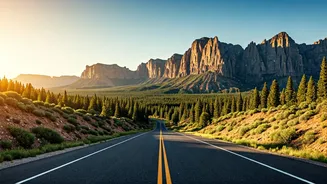
or arduous stagecoach tours. The advent of the automobile, however, democratized travel, but the roads themselves were often rudimentary. Recognizing this challenge and opportunity, a group of 12 visionaries in 1920 embarked on a groundbreaking 5,600-mile expedition. Their ambitious goal was to link 12 national parks into a single, traversable loop, originating from Denver, Colorado. This monumental undertaking aimed not only to promote tourism and public appreciation for these natural treasures but also to advocate for the development of improved roadways connecting these vital protected areas. This pioneering effort effectively laid the groundwork for the quintessential national park road trip, a celebrated way to experience the nation's landscapes today, whether you traverse the entire circuit or just a segment.
Rocky Mountain Majesty
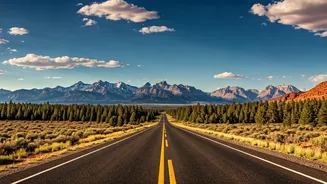
Your journey commences near Denver, leading you to the breathtaking Rocky Mountain National Park. Initially, the only route available to the 1920 expedition was the Old Fall River Road, an unpaved track reaching nearly 12,000 feet, typically open from July to early October. While this historic road still exists as an 11-mile dirt and gravel path, modern travelers can experience the park's alpine splendor via Trail Ridge Road, a spectacular paved highway that holds the distinction of being the highest continuous paved road in the United States, offering unparalleled panoramic vistas.
Geysers of Yellowstone
From the peaks of Colorado, the route directs you north, following Interstate 25 through Cheyenne, Wyoming, before veering east onto Highway 14 towards Cody. This path ultimately leads to the geothermal wonderland of Yellowstone National Park, the world's first national park. To truly immerse yourself in the spirit of the original explorers, consider a stay at a historic lodge, and allocate a generous four days to fully appreciate the park's iconic geysers, vibrant hot springs, and abundant wildlife. This segment of the trip allows for a deep dive into the raw, untamed beauty that captivated early adventurers.
Glacier's Icy Crown
Continuing north, the itinerary follows the Yellowstone-Glacier Bee Line Highway, winding through communities like White Sulphur Springs, Great Falls, and Browning, before arriving at the magnificent Glacier National Park in Montana. The 1920 expedition noted the park's numerous glaciers but a stark lack of developed roads. Today, while the number of glaciers has dwindled to about two dozen, the park boasts the world-renowned Going-to-the-Sun Road, a serpentine marvel that offers some of the most awe-inspiring driving vistas in the country, a testament to the evolution of park accessibility.
Rainier's Volcanic Peaks
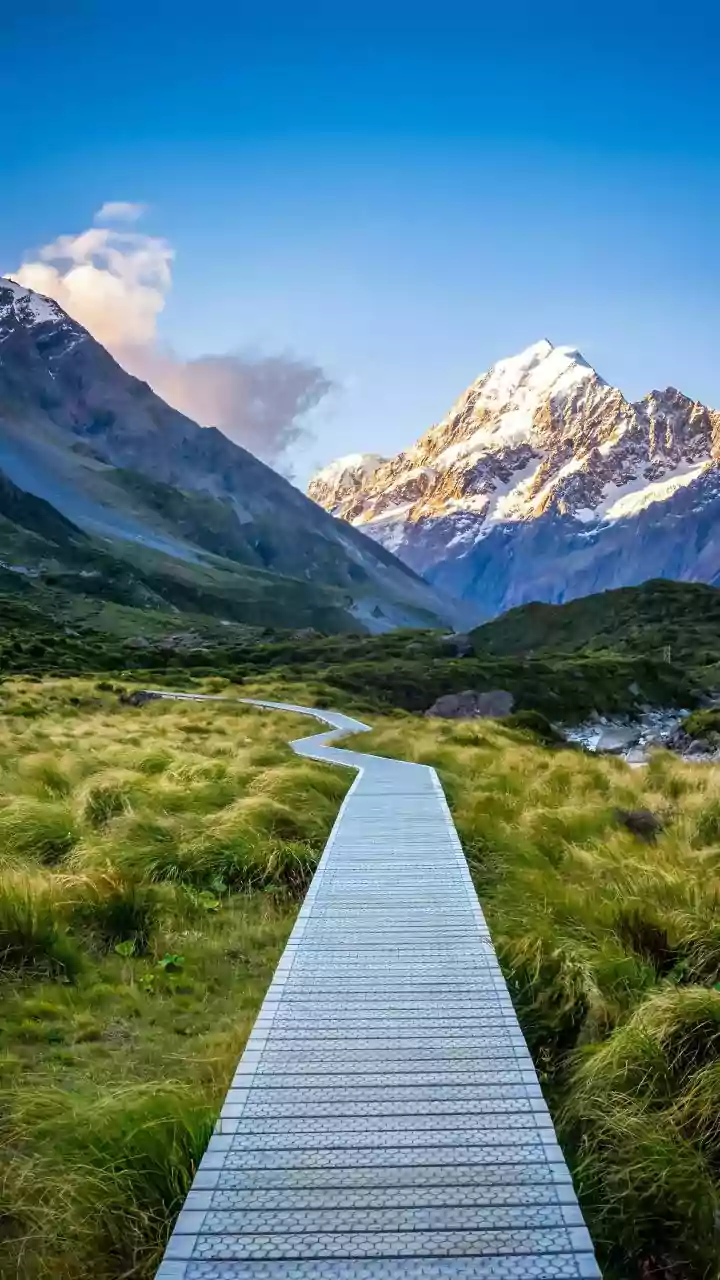
The adventure then heads west along Montana's Highway 2, passing through Kalispell and towards the Idaho border, with national forests carpeting the landscape as you make your way towards Spokane, Washington. Highway 2 eventually leads to Seattle, where the route turns south toward the imposing presence of Mount Rainier National Park. A visit to Paradise, situated on the mountain's southern slopes, is a must. Travelers today can appreciate the relative ease of access, a stark contrast to the challenging mule-team journeys of the past.
Crater Lake's Depths
A direct southward drive through Portland and Eugene will bring you to Crater Lake National Park in Oregon, a jewel of the Pacific Northwest. Remarkably, much of the experience remains similar to that of the 1920s explorers. The original group lodged at the enduringly picturesque Crater Lake Lodge and completed the 33-mile Rim Drive, a roadway that had been constructed just a year prior to their visit, offering breathtaking views of the deep blue caldera lake.
Lassen's Volcanic Wonders
From Crater Lake, the road trip continues into California, targeting Redding and subsequently Lassen Volcanic National Park. This park is unique for showcasing all four types of volcanoes. However, the original 1920 travelers did not get to witness these geological marvels as the park lacked any established roads at that time. Modern visitors, however, have the advantage of accessible routes to explore the park's diverse volcanic features and dramatic landscapes.
Giants of Yosemite
Venturing approximately 300 miles further south brings you to the iconic granite formations of Yosemite National Park. Shortly thereafter, you'll encounter the vertical wilderness of Sequoia and Kings Canyon National Parks. The latter was once known as General Grant National Park before its expansion and renaming in 1940. These parks offer a profound sense of scale, with ancient giant sequoia trees and dramatic rock faces that have inspired awe for generations.
Zion's Sculpted Canyons
Upon reaching Los Angeles, the route pivots eastward, tracing a portion of the historic National Old Trails Road, also known as Route 66. From Barstow, a significant detour of about 500 miles leads to the majestic Zion National Park. This park, with its towering sandstone cliffs and narrow canyons, was a detour the original 1920 group opted to skip to maintain their schedule, highlighting the scale of the original undertaking and the trade-offs involved in covering so much ground.
Grand Canyon's Immensity
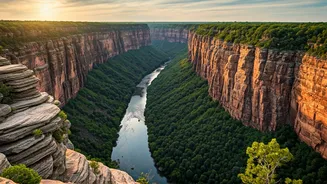
Returning south, the journey takes you through Kingman and Williams before reaching the unparalleled vastness of the Grand Canyon National Park in Arizona. The 1920 expedition spent three days marveling at this natural wonder, which continues to be a breathtaking destination. Today, the South Rim offers iconic viewpoints and access to trails that allow visitors to experience the canyon's immense scale and geological history, a profound experience for any traveler.
Ancient Lands and Ruins
The expedition's penultimate stop involves heading towards Petrified Forest National Park and then continuing through Gallup and Durango to Mesa Verde National Park in Colorado. The original explorers navigated the narrow and scenic Knife Edge Road at Mesa Verde, a route that was eventually closed in 1957 due to soil instability. Today, visitors can retrace parts of this historic path by walking the two-mile Knife Edge Trail, which follows a section of the original road, offering a glimpse into both the park's geological formations and its human history.
Return to Denver
From the ancient cliff dwellings of Mesa Verde, the route winds through Salida and along Colorado's spine, passing through Pueblo and Colorado Springs before finally concluding back in Denver. This final leg completes the epic loop, symbolizing the successful culmination of a journey designed to showcase the nation's diverse natural heritage. Stephen Mather, the first director of the National Park Service and a proponent of this route, aptly described the experience as a 'revelation,' emphasizing the unique character of each park and the collective impact of the entire journey.