




Captivating Blooms Unveiled
Embark on a journey through a curated selection of 20 plant varieties celebrated for their exceptionally large and strikingly beautiful flowers. These
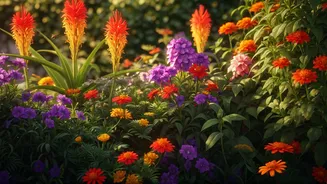
botanical giants are designed to command attention and infuse any garden space with drama and color. Imagine the visual impact of blossoms that are not just pretty, but truly monumental in scale, offering a spectacular display throughout their blooming season. This collection focuses on plants that excel in producing significant floral architecture, making them ideal choices for gardeners seeking to create a memorable and breathtaking landscape. From vibrant hues to elegant forms, these flowers promise to be the undisputed stars of your outdoor haven, drawing admiring glances and sparking conversations. Each plant has been chosen for its ability to deliver maximum aesthetic appeal, ensuring your garden becomes a true masterpiece of nature's artistry. Prepare to be enchanted by the sheer magnificence these large-flowered beauties bring.
Rose Varieties for Grandeur
When considering large-flowered specimens, roses are a quintessential choice, offering a timeless elegance and a diverse array of sizes and forms. Varieties like the 'Queen Elizabeth' rose, known for its upright growth and abundant clusters of large, soft pink blooms, or the 'Peace' rose, a hybrid tea with enormous, buttery-yellow flowers edged in pink, exemplify the grandeur achievable. For a more dramatic statement, consider climbing roses such as 'New Dawn', whose large, shell-pink flowers unfurl continuously, or the robust 'Iceberg', which produces prolific clusters of classic white blooms that can reach impressive diameters. The meticulous care and specific planting times, such as spring for bare-root roses, ensure these beauties thrive and deliver their full potential. Proper pruning, especially in spring for varieties like Limelight hydrangeas (though not roses, it highlights the importance of timing for large blooms), can significantly enhance blossom size and frequency. Addressing issues like black spot is crucial to maintaining their health and the impressive scale of their flowers, ensuring that these queens of the garden continue to reign with their magnificent, oversized floral displays.
Magnolias and Dahlias
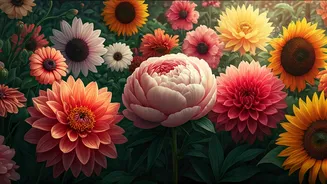
Magnolias, particularly the saucer magnolia (Magnolia x soulangeana), are celebrated for their magnificent, goblet-shaped flowers that appear in early spring before the leaves emerge, creating a breathtaking spectacle. These large, often fragrant blooms can measure up to 12 inches across and come in shades of white, pink, and deep purple, truly defining what it means to have a large, beautiful flower. Similarly, dahlias are a gardener's delight, offering an astounding variety of forms and colors with many cultivars producing dinner-plate-sized blooms. Varieties like 'Cafe au Lait', with its enormous, creamy-pink, loosely ruffled petals, or 'My Love', a pure white dahlia with massive, symmetrical blooms, are prime examples. The intricate petal structures and sheer scale of these dahlia flowers make them stand out dramatically. Growing dahlias from tubers planted in spring after the last frost ensures a spectacular summer and fall display. Their substantial size means even a few plants can create a powerful visual statement in any garden setting.
Peonies and Sunflowers
Peonies are legendary for their opulent, often fragrant, and exceptionally large flowers, which can span from 4 to 10 inches in diameter. Varieties like the 'Sarah Bernhardt' peony, with its voluminous ruffled pink blooms, or the 'Felix Crousse' peony, featuring deep crimson, lush petals, epitomize their lush beauty. These herbaceous perennials produce some of the most sought-after large flowers, perfect for creating a romantic garden aesthetic. Complementing their softer aesthetic, sunflowers (Helianthus annuus) are the undisputed champions of colossal blooms. While the classic 'Mammoth' sunflower can produce flower heads up to 12 inches or even larger in diameter, there are also numerous other varieties that offer impressive scale. For instance, 'American Giant' and 'Kong' sunflowers are known for their gigantic proportions, creating a truly awe-inspiring sight. Even flowers that *look* like sunflowers, such as the Helianthus 'Lemon Queen' or the taller varieties of coneflowers, can offer substantial blooms, though they may not reach the sheer diameter of true sunflowers. These plants provide a bold, cheerful presence, perfect for adding a touch of the dramatic and the sunny to any landscape.
Hibiscus and Hydrangeas
Hibiscus species, particularly the hardy hibiscus (Hibiscus moscheutos), are renowned for producing some of the largest, most vibrant flowers in the garden, often measuring a foot in diameter. Varieties like 'Summerific' or 'Midnight Marvel' showcase enormous trumpet-shaped blooms in dazzling shades of red, pink, and white, some featuring dramatic dark foliage that enhances the floral display. These tropical-looking beauties thrive in sunny locations and provide a spectacular show throughout the summer months. Hydrangeas also offer impressive floral displays, with varieties like the 'Limelight' hydrangea (Hydrangea paniculata 'Limelight') producing enormous cone-shaped panicles that mature from lime green to a rosy pink. Growing hydrangeas in pots can be a viable option, but planting them directly in the ground often allows for more robust growth and larger bloom clusters, provided they have adequate space and consistent moisture. The timing of pruning, especially for Limelight hydrangeas, is critical, with late winter or early spring being the ideal period to encourage larger blooms in the coming season. These shrubs are prized for their substantial flower heads that add significant volume and color.
Amaryllis and Geraniums
While amaryllis (Hippeastrum) are famous for their striking, trumpet-shaped flowers that can grow up to 10 inches across on tall stalks, their care requires specific attention, and using ice cubes to water them is generally discouraged by plant professionals. Proper watering involves allowing the soil to dry slightly between waterings, typically with room-temperature water, to prevent bulb rot and encourage healthy bloom development. In contrast, geraniums (Pelargoniums) offer a different kind of large-flower appeal, particularly when grown from seed for vibrant spring displays. While individual flowers may not be as colossal as amaryllis or hibiscus, their dense clusters, known as umbels, create a substantial visual impact. Varieties can produce blooms in a wide spectrum of colors, and when planted strategically, these compact powerhouses deliver a continuous show of color and form, contributing significantly to container gardens and garden beds alike with their profuse, well-formed flower heads.
Daisies and Moss Roses
The world of daisies (Asteraceae family) is vast, featuring numerous species that produce delightfully large and cheerful blooms. Beyond the common Shasta daisy, which offers classic white petals with a yellow center and flowers up to 4 inches across, there are many other captivating varieties. For example, the Oxeye daisy can have blooms up to 3 inches wide, while some newer cultivars of perennial daisies offer even larger flower heads in a spectrum of colors, from pure white and sunny yellow to soft pinks and deep purples. These resilient flowers provide abundant color and are relatively easy to care for. Similarly, moss roses (Portulaca grandiflora), also known as purslane, while not necessarily known for single, colossal blooms, are celebrated for their incredibly prolific flowering and vibrant, jewel-toned blossoms that can appear quite substantial in mass. These low-growing succulents thrive in hot, dry conditions and produce an abundance of ruffled, multi-petaled flowers that open in sunlight, creating a carpet of intense color. Their ability to produce such a dense and colorful display makes them a highly valued addition to any garden, especially in challenging environments.
Bulbs and Seedlings
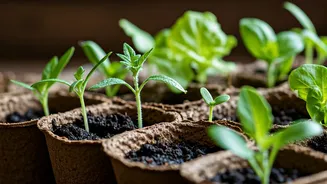
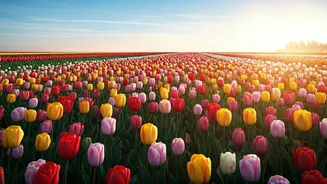
Spring bulbs offer a spectacular introduction to the gardening year, with many varieties boasting large and impressive flowers. Tulips, for instance, come in countless forms, including large-flowered Darwin Hybrids and elegant Lily-flowered tulips, which produce significant blooms after being planted at the correct time. It's crucial not to plant tulip bulbs too early; autumn, when the soil has cooled sufficiently, is the optimal period to ensure robust growth and impressive flowering. Similarly, spring bulbs like hyacinths and daffodils provide substantial floral presence. Beginners will find certain spring bulbs exceptionally easy to grow for a low-effort garden. For instance, daffodils (Narcissus) are known for their resilience and large, distinctive trumpet-shaped flowers, while grape hyacinths (Muscari) offer dense spikes of tiny, colorful blooms that create a significant impact when planted in groups. Broccoli seeds, when started indoors at the right time, typically 4-6 weeks before the last frost, are crucial for achieving the best possible crop, with the resulting plants producing large, edible flower heads that are a staple in many cuisines. This meticulous timing for both bulbs and seedlings ensures that gardeners can enjoy the largest and most beautiful blooms and harvests.
Unique Additions and Retro Charm
Exploring beyond the most common large-flowered plants reveals unique options and revived trends that bring substantial beauty. Consider plants that mimic the visual impact of sunflowers, such as the Mexican sunflower (Tithonia rotundifolia), whose vibrant orange blooms, though smaller than traditional sunflowers, provide a similar cheerful burst of color and attract pollinators. Many varieties of Echinacea (coneflowers) also produce large, prominent blooms with unique petal structures. Orange peels, often discarded, can be surprisingly useful in the garden, acting as a mild fertilizer or pest deterrent, and their citrusy scent can even mask other odors, though they do not directly contribute to flower size. Retro yard trends making a comeback, like the resurgence of formal gardens or the popularity of specific heirloom varieties, also emphasize large, well-established floral statements. These trends often favor plants known for their robust growth and impressive floral displays. Furthermore, the concept of flowers that 'look like sunflowers' extends to various large-rayed blooms, offering diverse forms and colors that provide a similar sense of grandeur and abundance in the garden landscape, ensuring ample visual interest.
Container Gardening Blooms
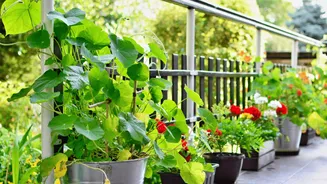
For those with limited space or who prefer the flexibility of container gardening, several plants consistently deliver large, beautiful flowers that are perfect for pots and window boxes. Spring container gardens are often elevated by plants like calibrachoa, which, though small individually, produce masses of blooms creating a dense waterfall of color. Geraniums, as mentioned, are ideal for containers, offering prolific and substantial flower clusters. The 'Little Sweetie' calibrachoa, for example, is a standout variety. Another excellent choice is the petunia, particularly the 'Supertunia' series, known for its enormous, velvety flowers that can rival the size of smaller dinner plates and bloom continuously. These plants thrive in sunny conditions and provide a continuous spectacle. The beauty of these container-friendly options lies in their ability to produce a significant visual impact despite their smaller scale, bringing large floral moments to even the most compact of spaces, proving that impressive blooms are not exclusive to large garden beds.