







Vulnerable Populations Identified
As global temperatures climb, leading to more frequent and intense heatwaves, public health faces significant challenges. While extreme heat endangers
everyone, certain demographics bear a disproportionate burden of its harmful effects. Senior citizens, young children, individuals who perform their work outdoors, and those managing chronic illnesses are particularly susceptible to heat-related ailments. Furthermore, cancer patients undergoing active treatments are exceptionally vulnerable. Therapies like chemotherapy, radiation, and hormone treatments can debilitate the immune system, reduce stamina, and impair the body's ability to regulate its internal temperature effectively. The side effects of some cancer medications, such as nausea, vomiting, diarrhea, and increased perspiration, further compound the risk of dehydration during heatwaves. Those with pre-existing health issues like heart disease, kidney dysfunction, or anemia face an even greater threat, as their bodies struggle to cope with the additional physiological stress imposed by extreme heat.
Recognizing Heat Stress Signs
It's crucial to be aware of the tell-tale signs that your body is struggling to cope with excessive heat, as these symptoms could indicate impending heat exhaustion or even heatstroke. Common indicators include feeling dizzy or lightheaded, experiencing unusual fatigue, suffering from headaches, confusion, a rapid pulse, muscle cramps, or a noticeable decrease in urination. These symptoms can often be attributed to dehydration and the general stress the body is under due to high temperatures. Prompt recognition of these signs is the first step in preventing more severe heat-related illnesses. Taking immediate action, such as moving to a cooler environment and rehydrating, is paramount to recovery and avoiding escalation of these conditions.
Metabolic Diseases and Heat
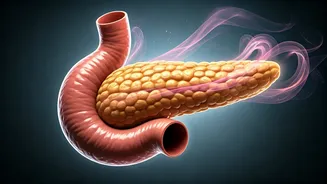
Individuals managing metabolic disorders, particularly diabetes, face unique challenges during heatwaves, as these conditions add extra strain to the body's regulatory systems. Extreme heat can trigger the release of stress hormones like cortisol and adrenaline, which may lead to unpredictable fluctuations in blood glucose levels. Dehydration, a common consequence of excessive sweating without adequate fluid intake, further exacerbates the situation. When the body loses too much fluid, blood concentration increases, potentially leading to elevated blood sugar levels. Conversely, in diabetic individuals, higher temperatures can sometimes increase insulin absorption, paradoxically causing blood sugar levels to drop too low. The symptoms of these blood sugar imbalances, such as dizziness, weakness, and confusion, can mimic those of heat exhaustion, making it imperative for diabetic patients to exercise extra caution and diligently monitor their glucose levels.
Protective Measures and Lifestyle
Implementing preventive strategies is essential for navigating periods of extreme heat safely. Staying well-hydrated by drinking plenty of fluids throughout the day is fundamental. It's also advisable to seek refuge in cool environments, especially during the hottest parts of the afternoon. Wearing loose-fitting, light-colored clothing helps the body dissipate heat more effectively. For those with diabetes, regular monitoring of blood glucose is vital to prevent complications. Lifestyle adjustments can significantly aid in coping with heatwaves. This includes maintaining adequate water intake, avoiding beverages high in caffeine and sugar, and opting for lighter, easily digestible meals. Additionally, ensuring that essential medications, such as insulin, are stored correctly is crucial, as high temperatures can diminish their efficacy. By adhering to these expert recommendations, individuals can proactively protect themselves from the health hazards associated with extreme heat.