







Subtle Signals to Note
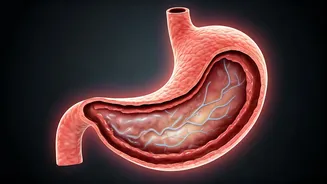
It's common for serious conditions like colorectal cancer to start with seemingly minor discomforts. Many individuals experience persistent bloating after
meals or a general feeling of tiredness throughout the day, often dismissing these as everyday occurrences. A surgical oncologist highlights that these subtle signals, easily ignored, can sometimes be indicators of significant gastrointestinal or abdominal cancers. The tendency to downplay these early symptoms means many patients delay seeking professional help, especially when there are no obvious warning signs like unexplained weight loss or blood in their stool. This article will explore these often-missed symptoms and explain why timely medical evaluation is crucial.
Why Symptoms Are Missed
The subtlety of early colorectal cancer symptoms often leads to their neglect. Patients frequently experience persistent digestive issues, such as daily bloating for weeks, or feel full very quickly when eating, but they tend to self-treat with home remedies or over-the-counter medications. This self-management, while well-intentioned, can delay crucial medical consultation. Furthermore, fatigue is commonly misattributed to stress, demanding work schedules, or insufficient sleep, rather than being recognized as a potential symptom of an underlying medical condition. The pattern and worsening of a symptom are more telling than its isolated occurrence, yet individuals often overlook this context, contributing to delayed diagnoses. Approximately 60% of patients report persistent digestive problems as early indicators, but these are frequently dismissed as minor complaints.
Key Warning Signs
While not definitive proof of cancer, several specific signs should prompt further medical investigation. These include persistent or worsening bloating that occurs regularly over weeks, an unusual and rapid sensation of fullness during meals, and noticeable, unexplained weight loss. Additionally, ongoing fatigue or a general feeling of weakness that doesn't improve with rest can be indicative of an underlying issue. Changes in bowel habits, such as constipation, diarrhea, or a different consistency, also warrant attention. It's vital to understand that these symptoms don't automatically confirm cancer, but they are important indicators that a medical evaluation is necessary to rule out serious conditions and ensure prompt management if needed.
The Power of Early Detection
Early detection is a cornerstone of successful cancer treatment, leading to significantly better patient outcomes. Cancers like colorectal, stomach, pancreatic, and liver cancer are often diagnosed at later, more challenging stages, underscoring the importance of recognizing early symptoms. Fatigue, in particular, when it doesn't resolve with rest, can signal underlying issues like anemia or chronic illness, and should not be ignored. While it's important to be aware of these signs, there's no need for alarm; not every instance of bloating means cancer. The key is to listen to your body's signals and, if a persistent problem remains unresolved after initial self-care or treatment, to continue seeking medical advice until you have answers.