




Body Composition Shift
The advent of powerful weight loss medications has sparked widespread discussion regarding their efficacy in managing obesity and metabolic health. While
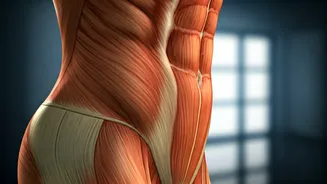
these drugs effectively reduce scale weight, a significant question arises about the nature of this lost mass. Experts are increasingly scrutinizing whether these medications lead to a disproportionate loss of lean muscle mass rather than solely fat. Muscle plays a vital role in maintaining metabolic rate, physical strength, and overall bodily function. Therefore, a decline in muscle tissue, in addition to fat, could carry long-term implications for an individual's health, potentially impacting their strength, energy levels, and susceptibility to injury. It's essential to delve into the nuances of how these drugs influence body composition and what strategies can be employed to safeguard muscle health during the weight loss journey, alongside factors like diet and physical activity.
Fat vs. Lean Mass
When individuals utilize contemporary weight loss drugs, a portion of their total weight reduction originates from fat, but a notable percentage is also derived from lean mass. Studies indicate that typically, between 65% and 85% of the weight lost is fat, while 15% to 35% is lean mass, which includes muscle, water, and organ tissue. This proportion can fluctuate significantly from person to person, influenced by several key factors. Baseline body composition plays a role; those with a higher percentage of body fat may naturally lose a greater proportion of fat. The pace and extent of weight loss are also critical; faster or more substantial weight reduction tends to correlate with a higher loss of lean tissue. Furthermore, dietary habits, particularly protein intake, and engagement in physical activity, especially resistance training, are pivotal in determining this balance. Age and hormonal status are additional considerations, as older adults are generally more susceptible to muscle depletion. The appetite-suppressing effects of these medications can inadvertently lead to reduced calorie and protein consumption, thereby increasing lean mass loss if not proactively managed. It's also important to note that 'lean mass' is a broader category, and the actual loss of contractile muscle tissue might be somewhat lower than the reported figures suggest, as water and glycogen also contribute to this measurement.
Drug-Induced vs. Calorie Deficit
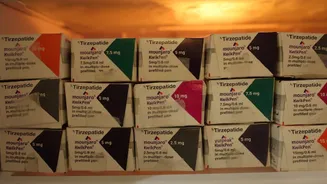
Weight loss medications do not inherently accelerate muscle loss more than traditional calorie restriction; the primary driver remains the overall calorie deficit. When individuals lose weight solely through dietary changes, the loss of lean mass typically falls within a comparable range, approximately 20% to 30%. In some research contexts, medications like Semaglutide or Tirzepatide may show a higher proportion of lean mass loss. However, this is often attributed to the greater and more rapid total weight loss achieved, rather than a direct pharmacological effect on muscle breakdown. In reality, when these medications are combined with a well-structured exercise regimen and sufficient protein intake, muscle preservation can be equivalent to, or even better than, approaches relying solely on diet. Dr. Reddy highlights that compared to structured weight loss programs that emphasize protein and resistance training, medication-driven weight loss can sometimes be less controlled. This lack of careful management can result in a slightly higher proportion of lean mass loss, particularly in individuals who are not actively engaged in physical activity. The concern primarily surfaces when patients depend exclusively on medication without incorporating lifestyle modifications. This can lead to insufficient protein intake and minimal resistance training, transforming the drugs into amplifiers of weight loss rather than selective agents of muscle depletion. The ultimate outcome is largely contingent on how these medications are utilized, rather than their inherent pharmacology alone.
Minimizing Muscle Loss
To effectively preserve muscle mass while undergoing weight loss with medications like Semaglutide or Tirzepatide, a deliberate and multi-faceted strategy is essential. Prioritizing adequate protein intake is paramount; aiming for approximately 1.2 to 1.6 grams of protein per kilogram of body weight per day, adjusted for age and renal function, is crucial to support muscle protein synthesis. Equally vital is the incorporation of resistance training, ideally 2 to 4 sessions per week. This type of exercise serves as the most potent signal to the body to retain muscle tissue even within a calorie deficit. Even straightforward progressive strength exercises can yield significant benefits. It is also advisable to avoid overly rapid weight loss, as a more gradual pace aids in preserving lean tissue. Maintaining adequate intake of micronutrients, such as Vitamin D and calcium, alongside sufficient hydration, also contributes to overall health and muscle well-being. Clinical supervision is highly recommended, with regular monitoring of body composition—beyond just scale weight—to guide necessary adjustments. In certain scenarios, healthcare providers might suggest adjuncts like protein supplementation or personalized exercise prescriptions. Ultimately, integrating pharmacotherapy with structured nutrition and strength training shifts the goal from simply reducing weight to achieving a healthier body composition.