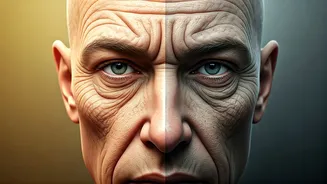







Understanding Deeper Aging
Facial aging is a complex phenomenon that extends far beyond the superficial layers of the skin. It's a progressive transformation rooted in the fundamental
structures of the face. This process involves significant changes within the bone framework, the distribution and volume of fat compartments, and the intricate architecture of collagen. External factors like prolonged exposure to ultraviolet (UV) radiation and natural hormonal shifts also play a crucial role in accelerating these visible signs of aging. While topical treatments address surface concerns, true anti-aging strategies must target these underlying structural changes to be most effective.
Bone Framework Shifts
The underlying bone structure of the face is not static; it undergoes remodeling with age, influencing how our features are supported. Specifically, alterations in the orbital bone structure, bone loss in the maxilla (upper jaw), and a widening of the mandibular angle (jawline) can lead to a diminished structural foundation. This gradual reshaping reduces the support that tissues need to remain lifted and firm over time, contributing to sagging and a loss of facial contour. Understanding these skeletal changes is key to appreciating why facial volume appears to drop.
Fat Compartment Dynamics
As we age, the distribution and volume of facial fat change significantly. The deep fat pads, which provide structural fullness, tend to shrink, while superficial fat deposits can shift downwards. This redistribution can manifest as hollows under the eyes, a loss of cheek volume, and the formation of jowls along the jawline. These alterations in the 'fat map' of the face contribute to a tired or aged appearance, changing the youthful contours we associate with younger skin.
Collagen and Skin Decline
The skin itself experiences a natural thinning of the dermis over time. Collagen production, essential for skin's firmness and structure, begins to slow down, and the elastic fibers that give skin its snap start to fragment. Simultaneously, the extracellular matrix, which supports skin cells, weakens. These combined effects lead to a noticeable reduction in skin elasticity and a decrease in overall firmness, making the skin more prone to wrinkles and sagging.
The Impact of UV Exposure
Exposure to ultraviolet (UV) radiation from the sun is a well-established accelerator of skin aging. UV rays not only contribute to DNA damage within skin cells but also stiffen elastin fibers and fragment collagen, both vital for youthful skin. This photodamage can significantly hasten the appearance of wrinkles, age spots, and a leathery texture, underscoring the importance of sun protection in any anti-aging regimen.
Hormonal Influences on Skin
Hormonal changes, particularly the decline in estrogen after menopause, have a profound impact on skin health. Estrogen plays a vital role in maintaining collagen density, skin thickness, and hydration. As estrogen levels drop, skin can become thinner, drier, and show accelerated signs of aging. This hormonal shift highlights the systemic nature of skin aging and why addressing it requires a holistic approach.
Fueling Youth with Protein
Adequate protein intake is fundamental for maintaining the structural integrity of your face. Proteins are the building blocks for dermal tissues and soft tissues alike. By consuming sufficient protein, you provide your body with the necessary components to repair and maintain these structures, supporting skin's elasticity and the underlying facial scaffolding, which is crucial for a naturally lifted appearance.
Strength Training's Role
Engaging in strength training offers benefits that extend beyond muscle development to supporting the facial scaffold. By building and maintaining overall muscle mass, you indirectly bolster the bone structure of the face. This stronger underlying framework provides better support for the overlying tissues, helping to maintain facial volume and prevent sagging, contributing to a more sculpted and youthful look.
Retinoids for Renewal
Retinoids, a class of vitamin A derivatives, are powerful allies in the fight against facial aging. They work by enhancing skin texture and stimulating the production of new collagen. This increased collagen synthesis helps to plump the skin from within, reducing the appearance of fine lines and wrinkles and improving overall skin resilience and firmness.
Vitamin D and Glucose
Vitamin D is essential for maintaining healthy bone remodeling processes, which directly impacts facial structure. Additionally, stabilizing blood glucose levels is crucial for preventing collagen glycation, a process where sugar molecules attach to collagen fibers, making them stiff and brittle. Simple practices like walking after meals can help manage glucose spikes, thereby protecting your collagen.
Sunscreen and Hydration
Daily application of sunscreen is non-negotiable for slowing down photoaging, protecting your skin from the damaging effects of UV rays. Coupled with adequate hydration, which supports dermal plumpness and skin barrier function, these basic yet effective practices are cornerstones of a comprehensive anti-aging strategy. Ensuring your skin remains moisturized helps maintain its suppleness and resilience.
Lifestyle for Longevity
Reducing stress is paramount as it can exacerbate collagen breakdown. Furthermore, prioritizing 7-8 hours of quality sleep each night optimizes the body's natural repair processes, allowing for crucial nightly rejuvenation. Minimizing midday UV exposure by seeking shade or covering up is also a key tactic in preventing accelerated aging, safeguarding your skin's health and appearance.