




Cholesterol Reset
Research has unveiled a potent capability of oats to influence cholesterol levels, even with surprisingly brief dietary changes. A study conducted at the
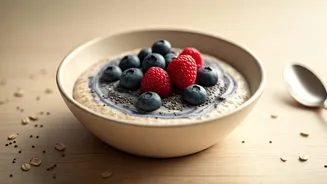
University of Bonn highlighted how a short-term diet heavily featuring oatmeal, lasting just two days, led to substantial improvements in participants' cholesterol profiles. These individuals were specifically selected due to their metabolic syndrome, a cluster of conditions including high body weight, elevated blood pressure, and abnormal blood glucose and lipid readings. By adhering to a calorie-controlled regimen that predominantly consisted of oatmeal for this short period, participants witnessed a significant reduction in their cholesterol. Remarkably, the positive effects of this short intervention persisted for approximately six weeks, underscoring the lasting impact of this humble grain. This finding suggests that even minimal dietary adjustments focused on oats can initiate a significant positive shift in cardiovascular health markers.
The Fiber Advantage
The significant impact of oats on cholesterol is largely attributed to their rich fiber content, particularly a soluble fiber known as beta-glucan. This specific type of fiber plays a crucial role in how the body processes cholesterol. When consumed, beta-glucan forms a gel-like substance in the digestive tract, which then binds to cholesterol and bile acids. This binding action prevents the absorption of cholesterol back into the bloodstream, effectively helping to clear it from the body. As a result, the 'bad' low-density lipoprotein (LDL) cholesterol, which is a primary contributor to arterial plaque buildup and cardiovascular disease, sees a marked decrease. Experts emphasize that regular consumption of oats is a well-established strategy for lowering LDL levels, thereby bolstering heart health and reducing the risk of serious cardiac events. The proactive management of LDL cholesterol through dietary means, such as the inclusion of oats, is a cornerstone of preventative cardiology.
Beyond Cholesterol
Oats offer a spectrum of health advantages that extend well beyond their well-known cholesterol-lowering properties. Their high fiber content is instrumental in promoting satiety, the feeling of fullness, which can naturally lead to a reduction in overall calorie intake and aid in weight management efforts. Furthermore, oats possess a low glycemic index due to the complex carbohydrates and fiber they contain, which are digested at a slower pace. This characteristic results in a gradual release of sugar into the bloodstream, thereby preventing sharp spikes and subsequent crashes in blood glucose levels. This makes oats an excellent dietary choice for individuals managing diabetes or anyone seeking more stable energy levels throughout the day. Additionally, the dietary fiber present in oats contributes significantly to a healthy digestive system by facilitating regular bowel movements and potentially preventing issues like constipation, ensuring overall gastrointestinal well-being.
Choosing Your Oats
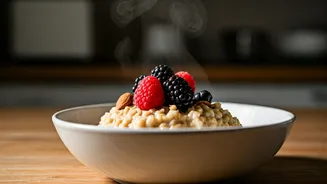
Navigating the world of oats reveals a variety of types, each offering a unique texture and preparation experience. Steel-cut oats, also known as Irish oats, are whole oat groats that have been minimally processed and cut into two or three pieces with steel blades. Their distinct nutty flavor and hearty, chewy texture mean they take longer to cook but keep you feeling full for an extended period. The larger pieces also contribute to a lower glycemic index, assisting in blood sugar management. Rolled oats, often referred to as old-fashioned oats, are the most common variety. They are produced by steaming hulled oats and then passing them through large rollers to flatten them into flakes. This process gives them a mild flavor and soft texture, making them versatile for various recipes. Instant oats are the quickest option, pre-cooked, dried, steamed extensively, and rolled into thin flakes. While convenient, they are the most processed and can have a higher glycemic impact. Lastly, oat bran, the outer layer of the oat groat, is a powerhouse of insoluble and dietary fiber, protein, and iron, making it a nutrient-dense addition to meals.