





Blood Pressure: A Limited View
It's a common yet perilous belief that a normal blood pressure reading signifies overall cardiovascular well-being. While crucial, blood pressure is merely
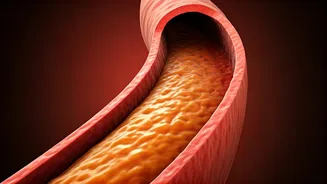
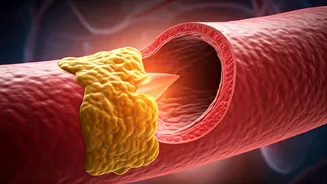
one component in a much larger and more intricate system. Many individuals who experience coronary artery disease actually maintain healthy blood pressure levels. The formation of blockages stems from the gradual accumulation of plaque, a mixture of cholesterol, fats, and calcium. This insidious process can often proceed undetected until it reaches a critical stage. Consequently, relying solely on blood pressure readings can offer a misleading picture of your heart's true condition, as it doesn't account for the underlying plaque buildup.
Subtle Warning Signs
The early indications of potential heart issues are frequently not obvious and can easily be overlooked. Symptoms such as a feeling of chest tightness during physical exertion, breathlessness when ascending stairs, unexpected fatigue, or discomfort radiating to the jaw, neck, or left arm are often dismissed. Notably, individuals with diabetes might experience these symptoms silently or not at all. Any new sensation, persistent discomfort, or symptoms that correlate with physical activity warrant a thorough medical evaluation to rule out underlying heart concerns and ensure timely intervention.
Detecting Blockages Early
While no single test offers a definitive answer, a progressive diagnostic approach is highly effective. An Electrocardiogram (ECG) serves as a foundational screening tool, capable of identifying past or current heart strain. The Treadmill Test (TMT) evaluates cardiac performance under stress, helping to detect changes during exercise. Furthermore, a 2D Echocardiography provides an assessment of the heart's overall function and the mechanics of its muscle movements. For more detailed visualization, CT Coronary Angiography offers a non-invasive method to observe blockages within the coronary arteries.
Advanced Screening Tools
To gain deeper insights into potential heart problems, several advanced screening methods are available. The Coronary Calcium Score is particularly useful for identifying early stages of plaque accumulation, even preceding the onset of any noticeable symptoms. For a definitive diagnosis, Coronary Angiography is considered the gold standard. This invasive procedure involves injecting a contrast dye directly into the arteries, allowing for precise identification of any narrowing or obstructions that might be present and impeding blood flow. This allows for accurate assessment of the severity of any blockages.
Who Needs Screening?
Individuals possessing known risk factors for heart disease should proactively consider screening, irrespective of how well they feel. These risk factors include conditions such as diabetes, elevated cholesterol levels, a history of smoking, obesity, a predominantly sedentary lifestyle, or a familial predisposition to heart ailments. Furthermore, age is a significant factor, with men over 40 and women past menopause being particularly advised to undergo regular heart health assessments. Early detection through screening can lead to timely interventions and better health outcomes.
Proactive Heart Care
It is crucial to understand that heart blockages often develop stealthily over time. Delaying medical attention until a major symptom manifests can be perilous. If you have identified risk factors or are experiencing unexplained symptoms, it is imperative not to ignore them. Embracing early screening, securing a timely diagnosis, and committing to necessary lifestyle modifications are vital steps that can significantly contribute to preventing serious cardiac events and promoting long-term heart health.