






The Flammable Nature
A primary concern regarding coconuts on flights stems from their inherent oil content. Dried coconut, often referred to as copra, is particularly rich
in oils that are highly flammable. Under specific conditions, such as exposure to sparks or high temperatures, these oils can ignite. International aviation safety guidelines, like those established by IATA, strictly regulate the carriage of materials prone to flammability or self-heating, and copra can unfortunately fall into this category due to its oily composition. The aviation industry places immense importance on preventative safety measures, rigorously scrutinizing the cabin and cargo areas for even minor fire risks, prioritizing prevention over reaction.
Self-Heating Hazards
Beyond simply being flammable, coconuts, especially in their dried form, possess the potential for self-heating. This phenomenon occurs when certain materials, due to their oil content, can generate heat internally through slow chemical reactions. This inherent property classifies dried coconut as a hazardous substance within air travel regulations. The risk is not just about external ignition sources but also the material's capacity to spontaneously combust, making it a significant concern for airline safety protocols.
Pressure and Cracking
An often overlooked, yet significant, reason for coconut restrictions relates to atmospheric pressure changes during flight. It's a well-established fact that variations in air pressure can affect items containing liquids or air pockets. Coconuts, with their internal moisture, fall into this category. As the aircraft ascends and descends, the differing pressure levels can exert force on the coconut shell. While seemingly minor, there's a small probability that the shell could crack or leak, potentially leading to unexpected complications within the confined space of an aircraft, compromising safety.
Scanning Difficulties
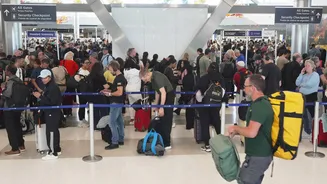
Airport security relies heavily on advanced X-ray scanning technology to identify potential threats. However, the robust, hard exterior of a coconut presents a challenge for these scanners. The dense shell makes it difficult for X-rays to penetrate effectively and provide a clear image of what lies inside. This lack of visual clarity can raise suspicion among security personnel, as it becomes hard to ascertain the item's safety with certainty. In highly sensitive environments like airports, any object that cannot be easily and definitively scanned is often deemed a risk and subsequently prohibited.
Physical Object Risks
In addition to chemical and pressure-related concerns, coconuts also pose a risk as solid, heavy objects. During periods of turbulence, any loose items within the aircraft cabin or cargo hold can become projectile hazards. The hard shell of a coconut, if dislodged, could cause damage or injury. While perhaps not the primary reason for the ban, this physical hazard is another factor that aviation authorities consider when establishing safety regulations, contributing to the overall decision to restrict coconuts.
Exceptions and Advice
While whole coconuts and dried copra are generally not permitted in either cabin or checked baggage, some airlines may have specific allowances. In certain cases, coconuts might be allowed if they are processed into smaller pieces and packed securely in checked luggage. However, the most prudent advice for travelers is to avoid carrying coconuts altogether to circumvent any potential issues or confusion at the airport. Adhering to these guidelines ensures a smoother and safer travel experience.