





Shifting Cancer Demographics
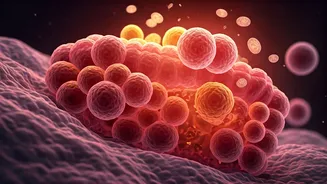
Colorectal cancer, once predominantly a concern for older populations, is now showing a disturbing rise among individuals in their 30s and 40s across India.
This demographic shift, observed by medical professionals, suggests that traditional risk factors may no longer tell the whole story. Doctors are increasingly diagnosing this disease in a younger cohort, prompting a critical examination of contemporary lifestyle habits and their profound impact on internal health. This evolving landscape necessitates a deeper understanding of how our daily routines contribute to long-term health outcomes, particularly concerning the complex ecosystem within our digestive system. The observation is not isolated but reflects broader societal changes in eating patterns, activity levels, and overall health consciousness, making it a critical area for public health attention and individual awareness.
The Microbiome's Crucial Role
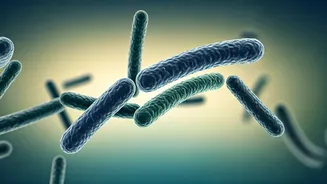
Our gut harbors trillions of microorganisms, collectively known as the microbiome, which play a vital role in maintaining our health. When this intricate microbial community is thrown off balance, it can have far-reaching consequences, including an increased susceptibility to diseases like colorectal cancer. A healthy gut microbiome acts as a robust defense system, aiding in digestion, nutrient absorption, and immune function. However, disruptions to this delicate ecosystem, whether from diet, medication, or stress, can slowly pave the way for chronic issues. The equilibrium of these bacteria is paramount; a decline in beneficial microbes and a proliferation of harmful ones can foster an environment ripe for inflammation, a known precursor to various chronic ailments, including certain cancers.
Modern Lifestyles' Gut Impact
Today's way of life presents significant challenges to our gut health. The widespread availability and consumption of processed foods have led to a decline in essential dietary fiber, while antibiotic usage, though crucial for treating infections, is often more frequent than necessary. Coupled with sedentary jobs, disrupted sleep patterns, and persistent stress, these factors collectively exert a toll on the gut's delicate balance. This constant assault can diminish the diversity of gut bacteria and tip the scales in favor of less beneficial species, creating a state of chronic inflammation. This inflammatory state is a recognized contributor to the development of numerous diseases, with colorectal cancer being a prominent example of its detrimental effects over time.
Diet and Antibiotics' Toll
The interplay between processed food consumption and antibiotic use poses a significant threat to gut equilibrium. Diets rich in ultra-processed items often lack the fiber that beneficial gut bacteria need to thrive, while simultaneously introducing artificial additives that can disrupt microbial balance. On the other hand, antibiotics, while indispensable for combating bacterial infections, can indiscriminately eliminate both harmful and beneficial bacteria. Frequent or inappropriate use of these medications can severely deplete the gut's natural microbial defenses. This dual impact of a fiber-deficient, processed diet and the collateral damage from antibiotics weakens the gut's ability to maintain a healthy internal environment, making it more vulnerable to long-term health problems.
Restoring Gut Health
The good news is that the gut microbiome possesses remarkable resilience and can be positively influenced by straightforward lifestyle modifications. Reverting to traditional eating practices can yield substantial benefits, as fermented foods like homemade buttermilk, kanji, idli, and dosa batter introduce beneficial probiotics. Furthermore, increasing dietary fiber intake by prioritizing fruits, vegetables, whole grains, and legumes provides the necessary sustenance for beneficial bacteria to flourish. These dietary adjustments are crucial for re-establishing a balanced gut environment. Combined with regular physical activity, adequate sleep, and mindful antibiotic use, these simple changes create an internal ecosystem conducive to health and disease prevention, empowering individuals to actively manage their gut well-being.
Simple Steps for Protection
Nurturing your gut health doesn't require drastic life overhauls; consistent, small changes can make a profound difference. Prioritizing regular exercise, ensuring sufficient sleep, and being judicious with antibiotic prescriptions are foundational steps. Significantly reducing the intake of ultra-processed foods in favor of home-cooked meals provides your gut with cleaner, more nourishing fuel. While each individual change might seem minor, their cumulative effect over time is substantial, fostering an internal environment where your gut can operate optimally. This proactive approach to gut health is an empowering aspect of well-being, allowing for tangible improvements through daily, conscious choices that contribute to long-term health security.