





Idli: South Indian Delight
Idli, a beloved South Indian breakfast staple, is a delightful steamed cake made from fermented rice and lentil batter. The fermentation process not only
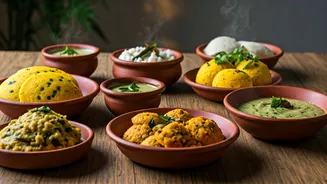
gives it a slightly tangy taste but also makes it easily digestible. Typically paired with sambar (a lentil-based vegetable stew) and coconut chutney, idli is a complete meal in itself. Preparing idli involves soaking rice and urad dal separately, grinding them into a smooth batter, allowing it to ferment overnight, and then steaming it in specially designed idli molds. The steaming process preserves the nutrients and keeps the idlis light and fluffy. This breakfast option is not only delicious but also very nutritious, offering a good source of carbohydrates, protein, and fiber, making it an excellent choice to kickstart your day during Makar Sankranti celebrations.
Dhokla: Gujarati Favorite
Originating from Gujarat, Dhokla is a steamed snack made from a fermented batter of rice and chickpeas (chana dal). The fermentation process is critical as it produces the light and spongy texture that defines a good dhokla. The batter is seasoned with spices like ginger, green chilies, and occasionally, a hint of turmeric for color and flavor. Steaming the batter makes it a healthy and oil-free option. Typically, the steamed dhokla is tempered with mustard seeds, curry leaves, and sometimes, green chilies, fried in oil, which is then poured over it. It is usually served with coriander chutney and sweet tamarind chutney. Dhokla provides a good source of carbohydrates and protein and is relatively low in fat, making it a great breakfast choice for a festive day.
Puttu: Kerala’s Delight
Puttu, a traditional breakfast from Kerala, is made from steamed cylinders of ground rice flour and grated coconut. The rice flour is usually mixed with a bit of water and sometimes coconut pieces to create a slightly coarse texture. The mixture is then layered with grated coconut in a puttu steamer, a cylindrical mold, and steamed until the rice flour is cooked. This process imparts a unique texture and flavor. Puttu is typically served with kadala curry (black chickpea curry) or a sweet version with sugar and banana. The combination of rice and coconut provides both carbohydrates and healthy fats. This breakfast choice offers a satisfying start to the day. It's both nutritious and easy to prepare, making it a wonderful addition to the Makar Sankranti breakfast spread.
Modak: Maharashtrian Sweet
Modak is a sweet dumpling popular in Maharashtra, traditionally associated with the Hindu deity Ganesha and often eaten during Ganesh Chaturthi. The outer covering is made from rice flour, and the filling typically consists of grated coconut, jaggery, and sometimes, cardamom for flavor. The dough is shaped into small dumplings and steamed until the outer shell becomes translucent and soft. The steaming process ensures that the filling remains moist and flavorful. Modaks can be sweet, making them a festive and satisfying breakfast treat. Although sweet, they still provide some nutritional value from the coconut and jaggery, making it a fitting celebratory choice for those with a sweet tooth. Enjoy these delicious offerings during the festivities.
Idiyappam: String Hoppers
Idiyappam, also known as string hoppers, is a breakfast item popular in South India and Sri Lanka. Made from rice flour, the dough is pressed into thin noodle-like strands and then steamed. These delicate, lacy strands are light and easy to digest. They are typically served with stew, vegetable kurma, or coconut milk, offering a diverse array of flavor combinations. Idiyappam provides a good source of carbohydrates and can be a lighter alternative for breakfast. Its simple preparation and delicate texture make it a versatile choice. It can complement various curries and stews, providing a balanced and filling meal.
Khaman: Spiced Treat
Khaman is another popular Gujarati snack, similar to dhokla but with a different batter composition. It's made from chana dal (split chickpeas) and is known for its vibrant yellow color. The batter is fermented and then steamed, creating a fluffy and airy texture. Seasoned with spices, ginger, and green chilies, it offers a savory and flavorful taste. The steamed Khaman is then often tempered with mustard seeds, curry leaves, and occasionally, green chilies, which adds a layer of depth. Khaman is often served with a variety of chutneys, enhancing the experience. This nutritious and flavorful snack is suitable for breakfast on festive days.
Bati: Rajasthani Delight
Bati, a quintessential Rajasthani dish, is traditionally baked but can also be steamed for a healthier version. It is made from wheat flour and is usually round. The dough is shaped into balls and steamed until they are cooked through. Bati is usually served with dal (lentil soup) and churma (sweet crumble). The slow-cooked dal complements the dry, crumbly texture of the bati, making it a wholesome and satisfying meal. While bati provides complex carbohydrates, the accompanying dal contributes protein and fiber, making it a well-rounded option. Enjoy this satisfying and nutritious meal while celebrating Makar Sankranti.
Muthiya: Gujarati Dumpling
Muthiya, a traditional Gujarati dumpling, is often steamed or fried, with steaming being a healthier option. The dish typically includes a mix of flours, such as wheat or gram flour, mixed with vegetables and spices. The mixture is then shaped into small dumplings and steamed. This cooking method keeps the dish light and nutritious. Muthiya can be flavored with a variety of vegetables and spices, offering a range of tastes and textures. Served with chutney or a yogurt-based dip, Muthiya presents a savory and fulfilling breakfast option. It is a great way to add vegetables to your morning meal and is suitable for a light yet satisfying start to the day, perfect for festive occasions.
Poha: Flattened Rice
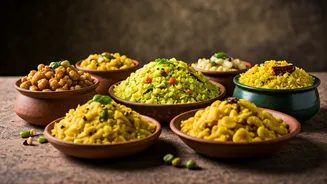
Poha, a popular breakfast dish across India, is made from flattened rice (beaten rice). The flattened rice is lightly washed, then tempered with mustard seeds, onions, potatoes, and spices. It's cooked until the rice softens and absorbs the flavors. Steaming the poha for a brief period after adding the tempering ingredients helps to soften the rice further and infuse the flavors. It is usually garnished with coriander and often served with a squeeze of lemon. Poha is easy to make and digest, making it a quick and healthy breakfast choice. It is a good source of carbohydrates and provides a light yet filling meal to kick off the festivities.
Appam: South Indian Crepe
Appam, a popular breakfast in South India, is a thin pancake made from fermented rice batter and coconut milk. The batter is fermented overnight, which lends it a slightly tangy taste and helps it become light and fluffy. Appams are cooked in a special pan that gives them a soft, spongy center and a crispy, lacy edge. They are usually served with vegetable stew (stew) or a coconut milk-based stew (ishtu), making them a versatile and flavorful breakfast option. It’s both light and satisfying, and it’s a great way to enjoy a blend of textures and tastes during Makar Sankranti. The fermentation of the batter also makes it easier to digest, making it a great addition to your festive breakfast spread.