




Clashing Colors
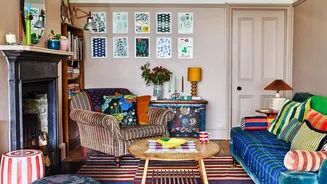
While vibrant kitchens can be beautiful, a designer warns against using too many competing colors, which can quickly overwhelm a space. Instead of pairing
strong, bold shades like navy and aubergine, opt for a single impactful color and complement it with natural, muted tones. Think of earthy browns, soft taupes, and creamy whites that are found in nature. This approach ensures a harmonious and sophisticated color palette, preventing visual chaos and creating a more serene atmosphere. The key is to select shades that already exist together harmoniously in the natural world, fostering a sense of balance and timelessness rather than a jarring contrast.
Jarring Transitions
Achieving a seamless look in your kitchen requires careful consideration of all elements, from cabinet colors to hardware and accent pieces. A designer emphasizes the importance of cohesion, suggesting that if any element feels 'off' or disrupts the visual flow, it needs modification. When integrating new items, it's crucial to have a clear vision of the final outcome to avoid adding layers that create visual clutter. Prioritize adding pieces that unify the space, but don't overdo it before the overall aesthetic is finalized. This iterative process allows for adjustments, ensuring all components work together harmoniously for a polished and unified appearance.
Unquestioned Trends
Trendy design choices can lose their appeal rapidly, leading to a dated and tacky appearance. To circumvent this, employ a 3-2-1 rule: assess if you'll still appreciate the design in three years, if at least two complementary colors interplay effectively, and if a single, unified visual message is conveyed. If any of these criteria are not met, reconsider your choices. This method promotes balance by encouraging critical evaluation of fleeting trends versus enduring style, ensuring your kitchen design remains appealing and relevant over time.
Inadequate Lighting
Poor lighting can be the subtle culprit behind a kitchen feeling 'off.' Designers often point to outdated or ineffective lighting fixtures, particularly recessed ceiling lights, as they can make a space feel cramped and cast unflattering light. Enhancing your kitchen's ambiance and functionality can be significantly improved with strategic lighting. Consider installing under-cabinet task lighting to illuminate work surfaces and utilizing pot lights to brighten darker zones, especially around food preparation areas. This thoughtful approach to lighting not only solves functional needs but also dramatically improves the overall visual appeal and atmosphere of the kitchen.
Mismatched Materials
Selecting materials that align with your home's overall design is crucial for a cohesive kitchen. For instance, exposed brick might be perfect for a loft conversion but can appear out of place in a rustic farmhouse. Installing materials that don't suit the home's inherent style can make a kitchen feel overly complicated and excessively designed. It's important to choose finishes and textures that complement the existing architecture and interior aesthetic, ensuring a natural and harmonious integration rather than a forced or artificial look. This careful material selection prevents the kitchen from appearing disjointed or trying too hard.
Compromised Workflow
Functionality is paramount in a kitchen. Disrupting the natural flow of the space can detract from both its design and usability. Adhering to the 'triangle rule' – maintaining a clear path between the refrigerator, stove, and sink – is vital for efficient movement. This triangular arrangement can take various forms, not just a standard equilateral shape, but also isosceles, scalene, or right-angled configurations. Prioritizing this layout ensures continuous, unimpeded movement, maximizing the efficiency and comfort of the kitchen as a working environment.
Tacky Signage
A designer strongly advises against using decorative signs as wall art in kitchens, deeming them inherently tacky. This includes avoiding them on front porches and foyers as well, as they can signal a lack of design direction. Furthermore, faux plants and artificial fruit are also discouraged, as they often appear inauthentic regardless of quality. The recommendation is to opt for real plants or none at all, ensuring that any decorative elements contribute positively to the space's aesthetic rather than detracting from it with artificiality.