





Medication Management
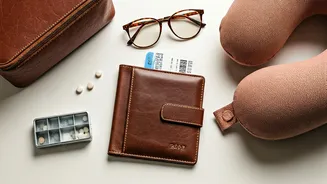
A frequent oversight by senior travelers is placing essential medications in checked luggage, a practice strongly discouraged by TSA representatives. To
avoid this, it's crucial to keep all necessary medications within a well-organized case, readily accessible in your carry-on bag. Consider using specialized pill organizers, like those with magnetic closures, which are not only easy to open and close, especially for individuals with arthritis, but also secure enough to prevent accidental spills even if jostled. This simple habit ensures your medication is always within reach and prevents the potential distress of lost prescriptions.
Hydration is Key
As individuals age, maintaining adequate hydration becomes increasingly vital due to a decline in kidney efficiency. This need is further amplified by medications and certain health conditions that can accelerate fluid loss. Therefore, bringing a refillable water bottle is a highly recommended practice for all senior travelers. Beyond simply carrying the bottle, the critical step is to actually drink from it throughout the journey. Many modern water bottles are designed with features like encouraging sip reminders and leak-proof lids, making hydration effortless. Choosing a size that is substantial enough to avoid constant refilling but not so bulky as to be inconvenient is also a practical consideration.
Comfortable Seating Solutions
A significant comfort issue for many seniors during flights stems from the inherently hard airplane seats, exacerbated by the natural loss of body cushioning. To combat this, packing a portable seat cushion is a wise decision. Memory foam seat cushions, in particular, can dramatically improve the flying experience, especially on longer journeys. These cushions are typically designed to be easily carried in a carry-on bag without issue, providing a much-needed layer of comfort and support, particularly for the sit bones. Travelers who have used them report a substantial increase in flight enjoyment, transforming an otherwise uncomfortable experience into a more pleasant one.
Staying Warm and Cozy
Older individuals often find it more challenging to generate, retain, and circulate body heat, making them more susceptible to the cold cabin temperatures of airplanes. To counter this, packing a warm blanket or a versatile, layered outer garment is highly advisable. Travel blankets made from premium microfleece offer warmth without excessive weight and often come with convenient carrying cases that can attach to luggage. Alternatively, versatile clothing items like shawls or wraps can serve multiple purposes, functioning as a cardigan, poncho, or even a pillow. Materials like bamboo-sourced viscose provide cashmere-like softness and warmth without the bulk, ensuring comfort throughout the flight.
Confident Mobility Aids
A common challenge during air travel for seniors is the perceived slowness when deplaning or navigating crowded airport spaces, sometimes leading to delays for other passengers. To enhance independence and confidence, consider a compact, folding cane that can be easily stored under the seat in front of you. This allows for immediate access without needing to retrieve it from overhead bins or rely on flight attendants. A freestanding cane not only aids in mobility but also provides greater stability when walking or waiting in lines, making it a valuable tool for navigating the often-confined spaces of an aircraft and the bustling airport environment.
Essential Tissue Supply
While tissues might seem like a trivial item, they are surprisingly crucial for air travel, especially for seniors. Airlines often operate with minimal amenities, meaning you can't always rely on them for basic supplies. Packing a small pack of tissues is invaluable for managing runny noses, watering eyes, or even for use as an impromptu napkin. They are also useful for minor spills, cleaning eyeglasses, or in a pinch, can serve as toilet paper if the lavatory runs out. Having your own supply ensures personal comfort and hygiene throughout the journey.
Item Tracking Solutions
A recurring issue for travelers, particularly seniors, is the tendency to leave items behind in various airport locations or on the plane. To mitigate this worry and the potential stress of misplaced belongings, investing in item trackers is a smart strategy. Devices like Apple AirTags or Tile can be attached to frequently lost items, such as luggage, keys, or wallets. These trackers allow you to easily locate your belongings via a smartphone app, and in some cases, you can even share the location with family members for assistance. This technology significantly reduces anxiety associated with losing personal items.
Pressure Equalizing Aids
The physiological changes associated with aging, such as a stiffening of the Eustachian tubes in the inner ear, make senior travelers more susceptible to discomfort and the sensation of "ear popping" during flights. While chewing gum is a common suggestion, specialized earplugs designed to manage pressure changes can be highly effective. These earplugs are engineered to help regulate the pressure differences experienced during ascent and descent, offering a more comfortable flying experience. Many travelers, including those with children, have found these specifically designed earplugs to be a valuable aid in preventing ear discomfort.
Supportive Compression Socks
Long flights significantly increase the risk of swelling and deep vein thrombosis (DVT) for senior travelers due to prolonged periods of immobility. To combat this, medical professionals strongly recommend wearing compression socks, especially on extended journeys. These socks apply graduated pressure to the legs, promoting better circulation and reducing fluid buildup. While they can sometimes be a bit challenging to put on, the benefits of reduced fatigue and swelling in the feet, ankles, and legs are substantial, making them an essential item for enhancing comfort and health during air travel.
Streamlined Luggage Choices
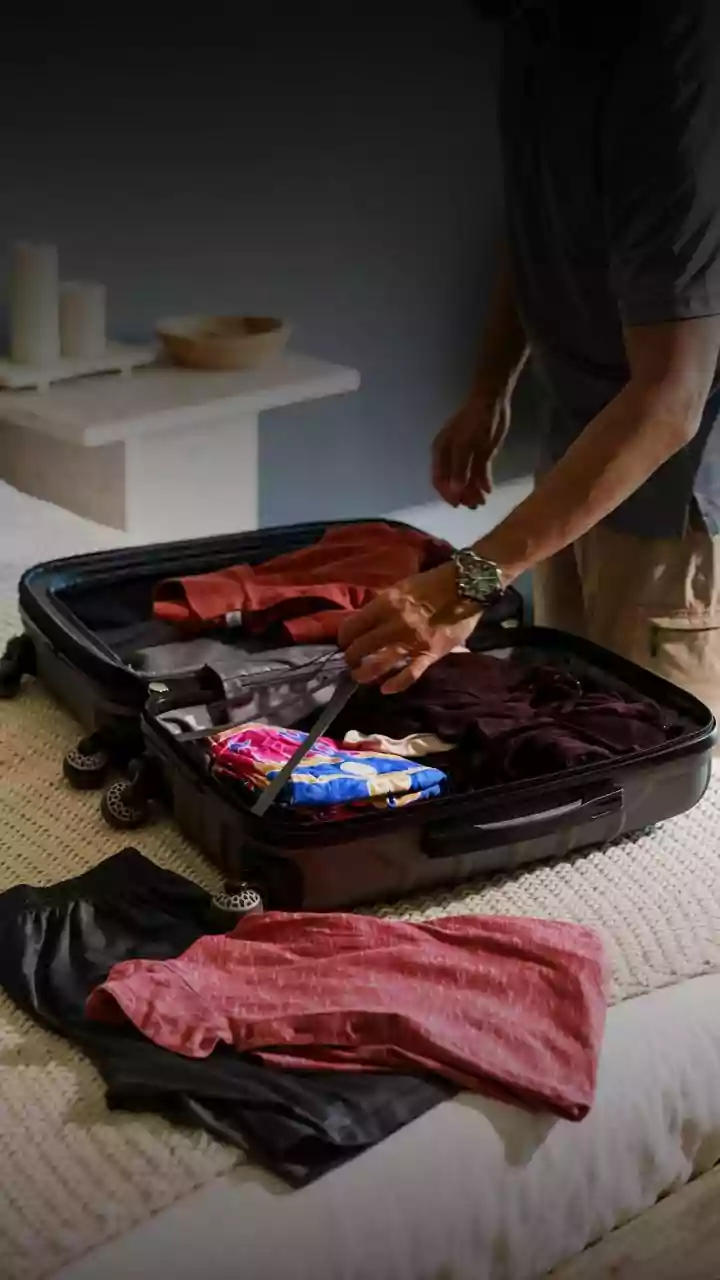
A common sight at airports is seniors struggling with overly heavy carry-on luggage. To alleviate this burden, opting for lighter, more maneuverable luggage is crucial. Several brands offer lightweight options constructed from durable yet light materials like polycarbonate, often featuring four 360-degree wheels for effortless gliding. Many modern carry-on bags are also designed to be slightly smaller, encouraging more mindful packing. Features such as TSA-approved locks and expandable compartments add to their practicality, making airport navigation significantly easier and less physically demanding.