




A Devastating Outcome
In a heart-wrenching event in Ahmedabad, two young sisters tragically lost their lives after eating dosa prepared with commercially sourced fermented batter.
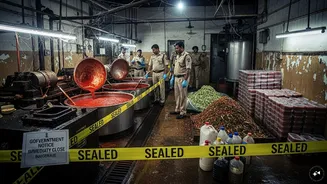
The entire family experienced severe vomiting, leading to the children's deaths, while the parents required hospitalization. Authorities promptly collected samples of the suspect batter from the local vendor for thorough laboratory analysis to determine the exact cause of this suspected food poisoning incident. This unfortunate occurrence has cast a shadow over a common culinary practice, emphasizing the critical need for vigilance when it comes to food preparation and sourcing, especially with traditionally fermented items.
The 'Khiru' Conundrum
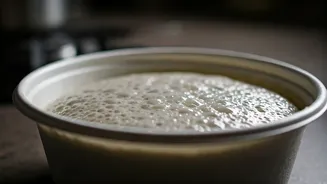
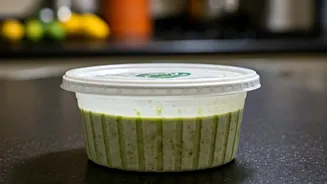
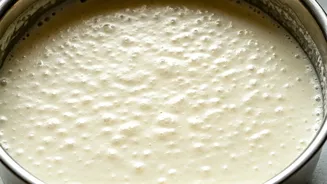
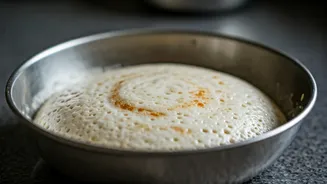
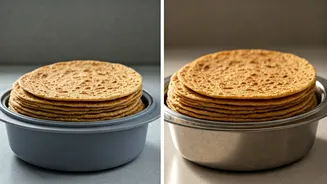
Khiru, the fermented batter central to Gujarati cuisine for dishes like dosa, idli, and uttapam, is typically made from a blend of rice and skinless urad dal. This mixture is allowed to ferment for several hours, often overnight, to achieve the airy texture essential for these dishes. While fermentation is an age-old practice generally considered beneficial for gut health, the incident in Ahmedabad points to potential pitfalls when the process is compromised, particularly with commercially prepared versions. The specific batter used in this case was purchased from a local vendor on April 1st, and shortly after consumption, the family fell ill. The younger daughter, just 3 months old, passed away on April 3rd, followed by the 4-year-old sister. The parents remained under critical medical care.
Risks of Commercial Batter
Experts emphasize that during warmer months, extreme caution is paramount with food consumed outside the home or even food prepared from outside ingredients. Store-bought fermented batters, often exposed to air and potentially unhygienic handling, pose significant risks. Contamination from airborne bacteria and improper refrigeration can lead to rapid spoilage, resulting in stomach infections or severe food poisoning. Over-fermentation, particularly in hot weather, can render the batter excessively sour, causing acidity, bloating, and indigestion. Furthermore, commercial batters may contain preservatives or stabilizers that are not ideal for frequent consumption. Unhygienic practices, such as using unwashed hands to mix ingredients or using contaminated water, can introduce harmful bacteria, leading to gas formation and discomfort, especially for those with sensitive digestive systems. The quality of raw ingredients, like polished dal and rice that might not be thoroughly cleaned, also contributes to potential health issues.
Safe Homemade Batter
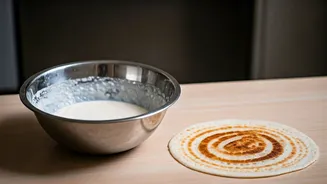
To ensure safety and quality, making khiru at home is a recommended alternative. The process involves washing and soaking 1 cup of rice and ¼ cup of skinless urad dal with ½ tsp fenugreek seeds for 4-6 hours or overnight, adding 1-2 tbsp of poha to the rice during soaking. After soaking, grind the urad dal mixture until light and fluffy, and then grind the rice to a slightly coarse texture. Combine both batters in a large bowl, mix well, and cover in a warm place for 8-12 hours for natural fermentation. It's crucial to avoid adding salt to the entire batch, as it accelerates spoilage in summer; salt should only be added to the portion you intend to use. Whisking the batter in one direction helps incorporate air for a lighter texture. Avoid using baking soda, opting instead for natural fermentation, as chemical leavening agents can sometimes cause adverse reactions. Ensure all utensils are clean and the batter is stored properly in a closed, clean jar in the refrigerator. Using clean, filtered water is also essential for batter preparation.