

Agriculture: The Root
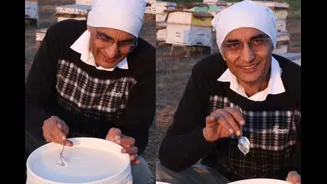
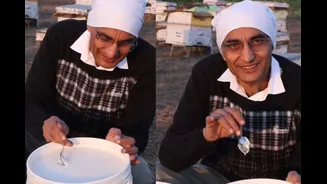
Renowned chef Ranveer Brar, known for his involvement with 'MasterChef India', posits that agriculture serves as the absolute bedrock upon which all human
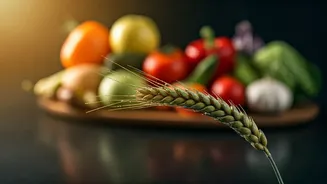
traditions and cultures are built. He articulates that the food we consume is a direct consequence of what the land provides, meaning our culinary choices are intrinsically linked to agricultural output. Over time, various cultural practices, religious beliefs, societal norms, and even gender dynamics introduce distinct layers, adding complexity and uniqueness to regional cuisines. Furthermore, the cyclical nature of seasons significantly influences the availability of ingredients, thereby shaping culinary traditions. While these myriad influences enrich and diversify food, it is the fundamental act of cultivation – agriculture – that undeniably forms the foundational element of all culinary and cultural development, providing the raw materials for these subsequent layers to be applied.
Harvest Rhythms
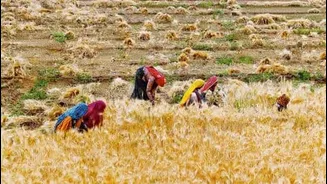
Drawing from his upbringing in a farming family, Chef Brar highlights that harvest festivals for him were never merely symbolic occasions but deeply ingrained realities. His childhood was profoundly shaped by the agricultural calendar, observing the progression of crops and the palpable shifts in household moods dictated by the vagaries of the season. This direct experience forged an unbreakable link between food, the diligent effort invested in its production, the unpredictable force of weather, and the virtue of patience. This formative environment continues to influence his approach to cooking today. He finds a unique emotional resonance in dishes prepared with freshly harvested grains and vibrant greens, viewing them as a testament to hard work, nourishment, and gratitude following arduous agricultural labor.
Communal Kitchen
Chef Brar fondly recalls a formative childhood memory where meals prepared during harvest time were communal affairs. He vividly remembers the collective effort involved in cooking food in large quantities after long days spent working in the fields. These meals were not about individual portions or elaborate plating; they were about sharing, tasting, and experiencing relief and togetherness. This collective experience instilled in him a fundamental understanding that food is inherently a communal endeavor. He believes that this style of cooking, often associated with harvest traditions, represents the most authentic form of food storytelling, both within India and on a global scale, emphasizing connection and shared experience.