




The Samosa's Travels
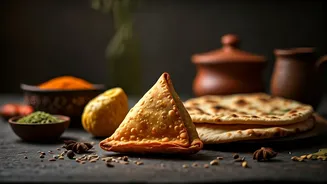
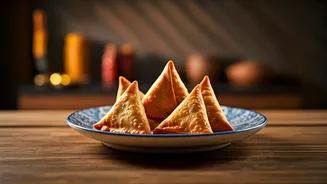
The iconic samosa, a ubiquitous snack in India, actually began its culinary adventure far from the subcontinent. Its origins can be traced back to the Middle
East and Central Asia, where a precursor known as 'sambusak' was enjoyed. This savory pastry was introduced to India by merchants and wayfarers traversing ancient trade routes. Over centuries, the local palate embraced and adapted it, transforming it into the spiced, potato-stuffed delicacy that has become a beloved Indian street food and appetizer.
Chicken Tikka Masala's Mystery
A global phenomenon, Chicken Tikka Masala is often considered a quintessential Indian dish, yet its true genesis is widely believed to lie outside India's borders. The prevailing theory points to its creation in the United Kingdom, a testament to the ingenuity of South Asian chefs working there. It's thought to have been developed to cater to British taste preferences, resulting in a creamy, rich curry that represents a delightful fusion of Indian flavors and Western culinary sensibilities, rather than an ancient Indian recipe.
Chilli Chicken's Fusion
A highlight of Indo-Chinese cuisine, Chilli Chicken is a prime example of culinary adaptation within India itself. This vibrant dish was actually a creation of the Chinese community residing in India, particularly in the bustling city of Kolkata. It masterfully blends traditional Chinese cooking techniques with the bold and aromatic spices characteristic of Indian flavors, resulting in a tangy, spicy, and utterly addictive dish that has found a permanent place in the hearts of Indian food lovers.
Naan: A Persian Import
The soft, chewy, and often tandoor-baked naan bread, a staple alongside many Indian meals, has its roots in Persia, which is modern-day Iran. It was brought to the Indian subcontinent during the influential Mughal era. The Mughals introduced many of their culinary traditions, including this versatile flatbread. Naan quickly integrated into the local food culture, especially in North India, becoming an indispensable part of the region's rich gastronomic heritage and a perfect accompaniment to curries.
Rajma's American Link
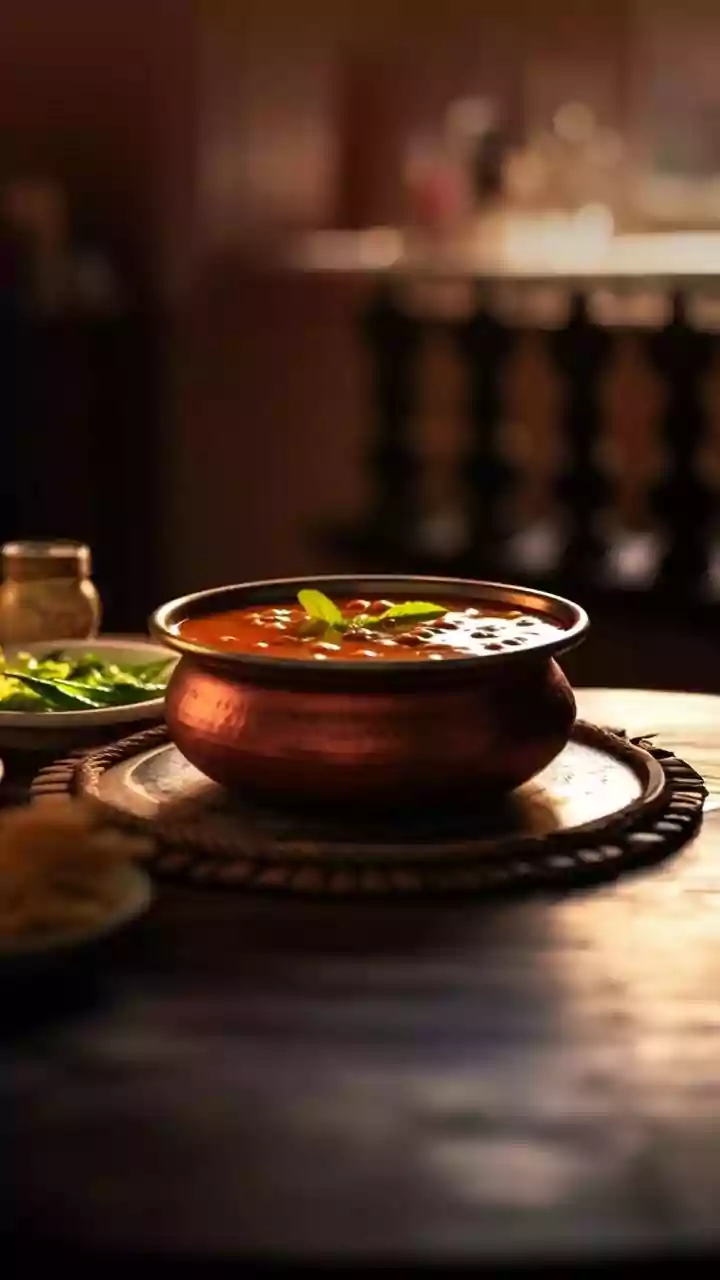
The hearty and comforting rajma, or kidney beans, a beloved legume dish predominantly featured in North Indian cuisine, has a transatlantic origin. Kidney beans are native to Central and South America and were introduced to India by European traders. Over time, these beans were embraced and incorporated into the Indian culinary landscape, evolving into the flavorful and wholesome rajma curries that are now a staple in many Indian households, particularly during cooler months.
Biryani's Diverse Heritage
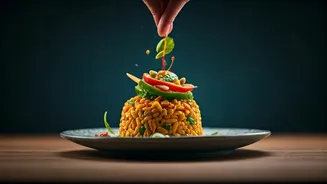
While often celebrated as a quintessential Indian rice dish, biryani boasts a complex and diverse heritage, with its origins debated but often linked to Persian influences. It's a dish that has been adapted and perfected across various regions of India, leading to numerous distinct styles, each with its unique blend of spices, meats, and rice. The exact historical path is intricate, but its evolution showcases India's remarkable ability to absorb and transform global culinary ideas into something uniquely its own.