
Insulation is Key
Effective insulation forms the bedrock of a warm home during winter. Focusing on insulation can significantly reduce heat loss. This includes sealing gaps
around windows and doors, which are common sources of drafts. Consider using weatherstripping or caulk to seal these openings and prevent cold air from entering. Additionally, proper insulation in walls and attics is crucial, acting as a barrier against the cold. Check the insulation levels in these areas and add more if needed to boost efficiency. Curtains and blinds can further enhance insulation, especially during the night, as they act as an extra layer to prevent heat from escaping. These methods not only keep the home warm but also help in reducing energy bills.
Embrace Warm Colors
Color plays a vital role in setting the mood of a space. Using warm color palettes can create a perception of warmth and comfort. Incorporate colors such as reds, oranges, and yellows in your decor. These shades stimulate feelings of warmth and coziness. Consider painting walls in these hues or using them in accent pieces like cushions, throws, or rugs. Using natural materials with warm undertones, such as wooden furniture or woven textiles, also adds warmth. This can create a visual effect that is welcoming and inviting. The right color scheme creates a comforting and inviting atmosphere to enjoy throughout the cold season.
Layering Textures for Warmth
Layering textures is a simple yet effective way to add warmth and depth to your home during winter. Using soft textiles like blankets, throws, and cushions can visually and physically enhance coziness. Incorporate wool, fleece, and faux fur to increase comfort. Place these items on sofas, chairs, and beds to create inviting spaces. Adding rugs, particularly those with a thick pile, provides warmth underfoot. This reduces the coldness felt from hard flooring. The different textures create a sense of richness, making the room more comfortable and stylish. This simple approach can significantly transform the look and feel of your home.
Rugs: Comfort & Style
Rugs are an excellent addition to your decor, combining both practicality and style. They act as insulators, preventing heat from escaping through the floors, especially during winter. Place rugs in high-traffic areas and beneath seating to add warmth underfoot. Consider using rugs with thicker piles made from wool or other warm materials for enhanced comfort. Choose the right size and design to complement your existing decor. Layering rugs can also add visual interest. Combining different textures and patterns can further enhance the room's aesthetic appeal. This approach offers a simple method to enhance warmth and add a touch of sophistication to your living spaces.
Fireplace Magic
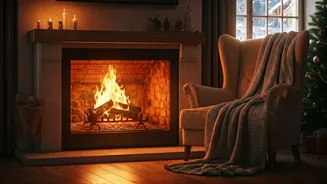
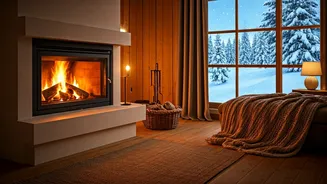
If you are fortunate enough to have a fireplace, using it during winter is a natural choice. It provides warmth and also serves as a focal point, creating a cozy atmosphere. Ensure your fireplace is safe and in good working order before using it. This includes cleaning the chimney and checking for any structural issues. You can enhance the fireplace experience by adding decorative elements, such as logs, candles, or other seasonal decor. For homes without a fireplace, consider using electric or ethanol fireplaces. They can provide the ambiance of a real fire without the complexities. These alternatives often come in various styles, blending well with any interior design.
Cozy Lighting Choices
Lighting can greatly affect the mood of your home, and the right choices can make the space feel warmer and more inviting. Switch out bright, harsh lights for softer options, such as lamps with warm-toned bulbs. Use ambient lighting instead of direct overhead lights. This creates a more relaxing atmosphere. Candles and string lights are excellent additions, providing a gentle, inviting glow. Position lamps at different levels to create layers of light. This technique adds depth and dimension to your decor. During winter evenings, using these types of lighting options can transform your home into a cozy retreat. This setup encourages relaxation and enjoyment.
Window Treatments Matter
Selecting the right window treatments can significantly impact your home's warmth. Using heavy curtains or drapes is an effective strategy to reduce heat loss during winter. These act as insulation, preventing cold air from entering and warm air from escaping. Choose curtains made from thick fabrics like velvet or thermal-lined materials. Close the curtains during the night to trap heat and open them during the day to let sunlight warm your home naturally. Blinds and shades can also provide an extra layer of insulation. Combining window treatments with other warming methods, such as weatherstripping and caulk, maximizes energy efficiency, ensuring a warmer and more comfortable environment.
Seasonal Decor Details
Adding seasonal decor is a simple way to create a festive and cozy atmosphere during the winter months. Incorporate elements that represent the season, such as pine cones, branches, or winter-themed ornaments. These additions can transform your home. Use natural elements like dried fruits and cinnamon sticks. They can add pleasant scents and visual appeal. Change out your existing decor to reflect the season. This may include switching out throw pillows, blankets, and table settings to match the winter theme. These little touches help make your home feel more inviting and welcoming during the cold season.
Aromatherapy for Comfort
Using aromatherapy during winter can create a cozy and relaxing atmosphere. Certain scents, like cinnamon, vanilla, and pine, evoke feelings of warmth and comfort. Consider using essential oil diffusers or scented candles to introduce these aromas into your home. Place diffusers in high-traffic areas to spread the fragrance throughout. Choose candles with a pleasant scent and place them safely. In addition to creating a pleasant ambiance, aromatherapy can also offer other benefits, such as promoting relaxation and reducing stress. Aromatherapy can enhance the atmosphere. These subtle yet effective additions contribute to a warmer and more welcoming environment.