








Tariff Reduction Details
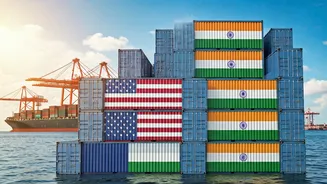
The United States has decided to reduce the separate tariffs placed on certain Indian imports. This change means that the previous 25% tariff will now
be reduced to 18%. This decision is a direct result of ongoing trade negotiations and discussions between the US and India. The cut focuses on specific goods, indicating a strategic approach to fostering trade ties and resolving trade disputes that existed previously. This adjustment in tariffs reflects a broader effort to strengthen the economic partnership between the two nations, which could lead to increased trade and collaboration in the future. The reduction is a significant step towards a more open and streamlined trade environment, and the impacts on particular industries will be closely observed.
Impact on Indian Exports
The reduction in tariffs is expected to be particularly beneficial for Indian exporters. Lower tariffs mean that Indian goods will become more competitive in the US market, potentially leading to increased sales and market share. Several sectors could experience substantial gains from this change. Companies that export goods to the United States will likely see a boost in demand. This creates a positive environment for growth and expansion for Indian businesses. The revised tariff structure gives Indian exporters an advantage over competitors from countries with higher tariffs. The overall effect could be an increase in the volume of goods traded between India and the US, strengthening the economic connection between the two nations and supporting job creation in India. This tariff cut acts as an incentive for Indian firms to explore new opportunities in the US market.
Implications for US Businesses
While the tariff reduction primarily favors Indian exporters, it could also offer benefits for certain US businesses. For instance, lower costs for imported goods could translate to cheaper raw materials or intermediate products for US manufacturers. This, in turn, could lead to more competitive pricing and opportunities for expansion. US companies that rely on Indian suppliers may also experience enhanced supply chain efficiency and cost savings. This can boost overall economic activity in the United States. Moreover, the tariff cut indicates a shift towards improved trade relations. This can encourage a more stable and predictable business environment, and it is likely to facilitate greater collaboration and investment opportunities between the two countries, which is positive for overall economic growth. Businesses in both countries will likely pay close attention to how these changes impact their operations and strategic planning.