
Understanding Insulin Resistance
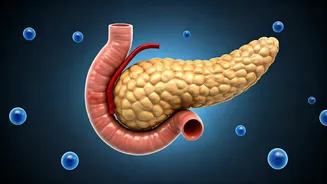
Insulin resistance is a state where cells don't respond properly to insulin, a hormone vital for regulating blood sugar. When you eat, your body breaks
down food into glucose, which enters your bloodstream. Insulin, produced by the pancreas, then helps glucose enter cells for energy. In insulin resistance, cells become resistant, requiring the pancreas to produce more insulin to maintain normal blood sugar levels. Initially, the pancreas can keep up, but over time, it may not, leading to elevated blood sugar. This condition is a precursor to type 2 diabetes and is associated with other health problems. Factors such as genetics, diet, and lack of exercise contribute to its development. Recognizing the symptoms, like post-meal sleepiness, is an important first step toward managing this condition and promoting better health outcomes.
Sleepiness As Symptom
Feeling sleepy after eating is a common complaint, but it can be a sign of insulin resistance when it occurs regularly. After a meal, especially one high in carbohydrates, your body releases insulin to manage the influx of glucose. In individuals with insulin resistance, the excess insulin can trigger a drop in blood sugar levels, leading to fatigue and drowsiness. This is because the cells aren’t efficiently utilizing glucose for energy, causing the body to signal it needs rest. The timing of the sleepiness—typically an hour or two after eating—is crucial. Additionally, the type of food consumed impacts this response. High-carbohydrate meals often exacerbate the issue, making the post-meal dip in energy more pronounced compared to meals richer in proteins and healthy fats. Understanding this connection is essential for taking proactive health measures.
Dietary and Lifestyle Adjustments
Addressing post-meal sleepiness linked to insulin resistance involves targeted changes in diet and lifestyle. Dietary adjustments are key, favoring a balanced intake of foods. This means focusing on low glycemic index (GI) foods, which release sugar more slowly into the bloodstream, minimizing insulin spikes and crashes. Foods like whole grains, non-starchy vegetables, lean proteins, and healthy fats are beneficial. Limiting processed foods, sugary drinks, and refined carbohydrates is also crucial. Lifestyle changes include regular exercise, which improves insulin sensitivity and helps cells utilize glucose more effectively. Even moderate physical activity, like a brisk walk after meals, can be beneficial. Stress management techniques are also important, as stress hormones can worsen insulin resistance. Getting enough sleep is another factor. Aiming for 7-9 hours of quality sleep each night supports overall metabolic health.
Consulting Healthcare Professionals
If post-meal sleepiness is a recurring issue, consulting a healthcare professional is advisable. They can conduct tests to assess insulin resistance, such as a fasting blood glucose test, an A1c test, and potentially an oral glucose tolerance test. These tests provide insights into how your body processes sugar. Your doctor can analyze the results and provide personalized advice. This may include dietary changes, exercise plans, and, in some cases, medication to improve insulin sensitivity. They can also rule out other potential causes of fatigue, such as anemia, thyroid issues, or sleep disorders. Regular check-ups enable you to monitor your health progress and adjust your approach. Working with healthcare professionals ensures you receive comprehensive support to manage insulin resistance and prevent complications.