



Pose Breakdown & Benefits
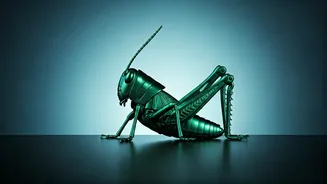
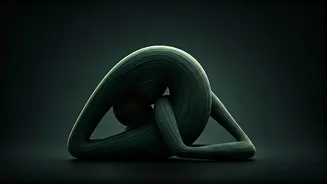
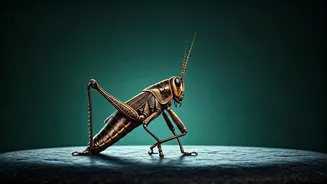
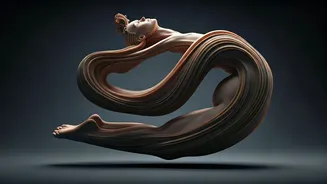
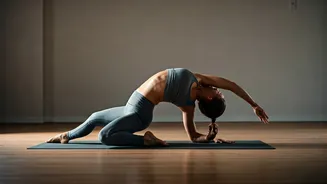
The Bala Parsva Bhuja Dandasana, or Baby Grasshopper Pose, is an intricate arm-balancing posture that promises a wealth of advantages for both the body
and mind. Regularly practicing this pose is known to significantly bolster the strength of the arms, wrists, and shoulders, while also engaging and fortifying the core muscles. Beyond upper body strength, it contributes to enhanced flexibility across the hips, spine, legs, and hamstrings, promoting greater range of motion. Furthermore, this asana is believed to positively influence the digestive and reproductive systems. On a mental level, it's a powerful tool for cultivating sharper focus, unwavering concentration, and a stronger sense of willpower and mental fortitude. The pose requires dedication and practice to master, but its rewards are substantial for those committed to developing both physical and mental resilience.
Beginner's Path to Pose
Embarking on the journey to master the Baby Grasshopper Pose begins with foundational preparation. Start by incorporating Malasana, the yogic squat, into your routine to effectively open up the hips, creating a necessary base for deeper poses. Following this, practice gentle spinal twists to enhance the mobility and suppleness of your spine, which is crucial for the twisting element of the Baby Grasshopper. Crucially, build a solid foundation of arm and core strength through basic arm balances such as Bakasana, the Crow Pose. These preparatory steps are vital for ensuring your body is adequately prepared to safely approach the more challenging aspects of the Baby Grasshopper, minimizing the risk of injury and maximizing the potential for progress.
Scaling Up Safely
As you progress from the foundational poses, the next stage involves gradually scaling up towards the Baby Grasshopper Pose. Begin from a squatting position, then initiate a deep twist of your torso, bringing your opposite elbow to the outside of your knee. From here, carefully place both palms flat on the ground beside you, gradually shifting your body weight forward over your hands. The key at this stage is to practice lifting one foot at a time off the floor, maintaining the integrity of the twist and your core engagement. Prioritize strengthening your core and finding a sense of balance rather than aiming for a full extension of the leg immediately. This incremental approach ensures you build confidence and stability before attempting more complex variations.
Advanced Progression
For those ready to advance, the path to a fuller Baby Grasshopper Pose involves building upon the intermediate steps. From the twisted squat position, firmly plant both palms on the mat, ensuring a stable base. Proceed to shift your weight forward with control, and this time, focus on lifting both feet simultaneously off the ground, maintaining the deep twist. The advanced execution involves extending your legs outwards to one side, balancing solely on your arms. Throughout this complex movement, it's essential to keep your spine active and engaged, maintain a steady gaze forward for balance, and ensure your breath remains calm and controlled. This advanced stage demands significant core strength, balance, and body awareness.
Essential Do's and Don'ts
Practicing the Baby Grasshopper Pose requires careful consideration of safety protocols. It is imperative to avoid this posture if you have any existing injuries in your wrists, shoulders, elbows, or lower back. Always commence your yoga session with a thorough warm-up targeting the wrists, shoulders, hips, and spine to prepare your body for the demands of the pose. Under no circumstances should you attempt to jump into the pose; as an advanced arm balance, it necessitates a gradual, progressive approach. Actively engage your core throughout the practice to safeguard your joints and prevent undue strain on your shoulders. For beginners, seeking guidance from a qualified yoga instructor is highly recommended. Additionally, pregnant practitioners or individuals managing high blood pressure should refrain from deep twists associated with this pose.