




The Ascent Begins
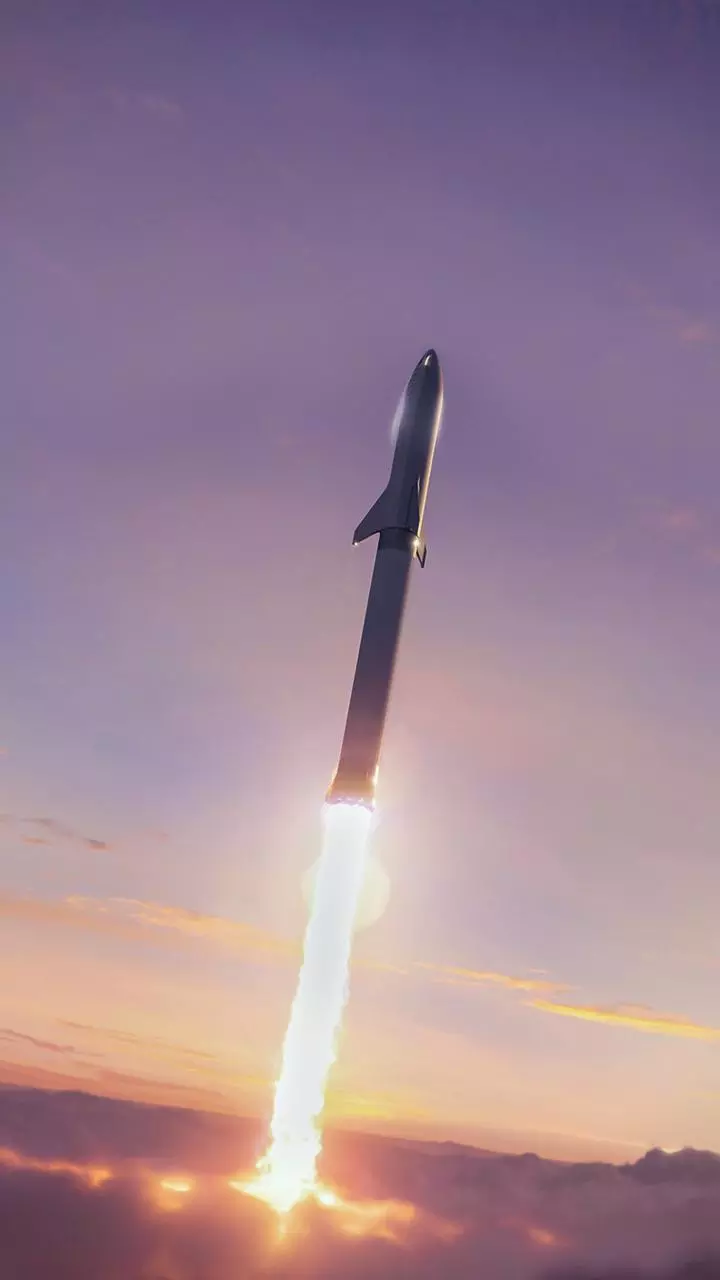
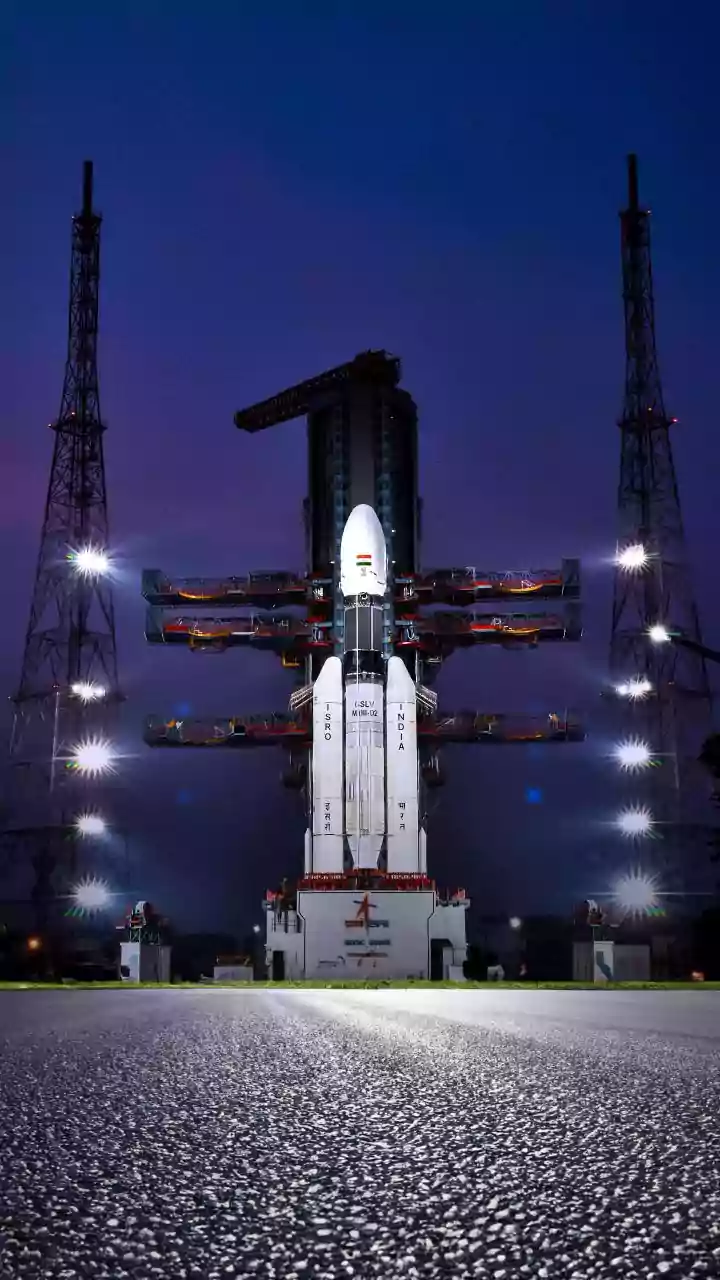
The third stage in the ISRO rocket's journey is a critical phase. It's the final push that the rocket undertakes to place its payload into the desired
orbit. Typically, the first and second stages focus on propelling the rocket upwards, building velocity and escaping the dense lower atmosphere. However, the third stage is designed for more refined maneuvers. This is where the rocket is steered into its orbital trajectory. The precise timing and performance of the third stage are crucial for the mission's success. It must ignite and burn flawlessly to achieve the final orbital parameters, and its ability to do so impacts a wide range of factors, which include fuel efficiency to the lifespan of the satellite in orbit.
Altitude and Vacuum
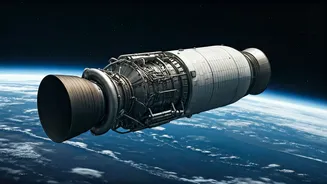
One of the most significant challenges during the third stage is the environment it operates within: the vacuum of space. At this altitude, there's virtually no air resistance, which means the rocket's engine must function in a radically different way than the lower stages. The engines are specifically designed to operate in this vacuum, which involves careful combustion control, to efficiently and completely burn the fuel. Moreover, the lack of atmospheric pressure creates unique thermal considerations. There is no atmospheric convection to dissipate heat generated by the engine. This makes effective cooling systems essential to prevent engine damage. Also, the third stage needs to precisely control its thrust and direction in the absence of air, depending entirely on its onboard guidance and control systems.
Engine Performance Matters
The third stage is equipped with a specialized engine designed to deliver high performance in the vacuum of space. ISRO utilizes different types of engines depending on the rocket and the specific mission requirements. These engines often employ cryogenic propellants, which are fuels stored at extremely low temperatures, such as liquid hydrogen and liquid oxygen. These propellants provide high performance but also present handling challenges. These cryogenic fuels must be stored and fed to the engine with extreme precision, to ensure efficient combustion and optimal thrust. The engine's nozzle design is crucial for directing the exhaust gases and generating thrust. The third-stage engine is often designed with an extendable nozzle to provide greater expansion, as the pressure outside the nozzle drops.
Guidance and Navigation
Accurate guidance and navigation are paramount during the third stage. The rocket must precisely control its trajectory to reach the intended orbit. This relies on onboard computers, sensors, and control systems. These systems monitor the rocket's position, velocity, and attitude. They then use this data to make precise adjustments to the engine's thrust and direction. The guidance system must account for various factors, like Earth's rotation, gravitational forces, and the desired orbital parameters. The third stage also needs to perform orbital insertion, which means the process of placing the payload into its planned orbit. This involves precise calculations and timing to achieve the right speed and altitude for the payload. The navigation system uses star trackers, inertial measurement units, and other sensors to precisely determine the rocket's location.
Payload and Separation
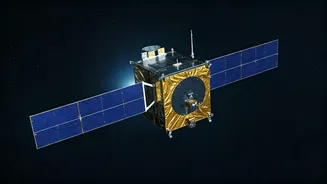
The third stage's ultimate objective is to deliver the payload into its designated orbit. This can include satellites for communication, Earth observation, scientific research, or space exploration. The separation process between the third stage and the payload is a critical event. It must be executed with precision to avoid any damage to the payload. ISRO's rockets utilize sophisticated separation mechanisms. These mechanisms include separation motors and spring-loaded systems, which ensure the payload is gently and safely released from the rocket. Before separation, the third stage must orient itself and adjust its speed to match the orbital parameters. After separation, the payload's own systems take over to stabilize its position and begin its mission.
ISRO's Innovative Solutions
ISRO engineers have developed numerous innovative solutions to tackle the challenges of the third stage. These include the design of highly efficient cryogenic engines optimized for vacuum conditions. They have also invested heavily in advanced guidance and navigation systems. These systems are used to ensure precise orbital insertion. ISRO has also improved the reliability of its separation mechanisms. These advancements enhance the safe delivery of payloads. ISRO is constantly researching new materials and technologies to improve the performance and reliability of the third stage. This ongoing innovation ensures that ISRO rockets can continue to meet the demands of increasingly complex space missions.