





Portion Distortion Pitfalls
Smoothies often fall into the trap of "portion distortion," where the sheer volume of ingredients consumed quickly bypasses our body's natural fullness
cues. Unlike eating whole fruits, which requires time to chew and offers fiber that signals satiety, blending multiple fruits like two bananas and a mango into a single drink means consuming several fruit servings and a significant sugar load in mere minutes. Without careful attention to the overall quantity, these blended concoctions can rapidly accumulate calories, leaving you feeling less satisfied than if you had eaten the ingredients individually. This disconnect between intake and perceived fullness is a primary reason why smoothies can become unexpectedly calorie-dense, undermining their healthy reputation.
The Liquid Calorie Deception
Liquid calories in smoothies pose a unique challenge because they don't trigger the same satiety signals in our brains as solid foods do. This means that a high-calorie smoothie might not prevent hunger effectively, potentially leading to snacking soon after consumption. This phenomenon can inadvertently result in an overall increase in daily calorie intake. When your body doesn't receive the same physical feedback of fullness from liquids as it does from chewing and digesting solids, it's easier to overconsume calories without realizing it, contributing to unintended weight gain and negating the health benefits you were seeking.
High-Calorie "Health" Boosters
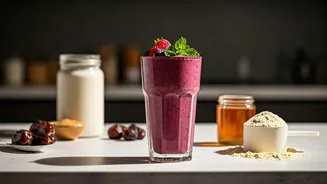
Many ingredients marketed as "health boosters" for smoothies are actually calorie-dense. While nutritious, items like nut butters, seeds, coconut milk, protein powders, and sweeteners can dramatically increase a smoothie's caloric content. For example, a single tablespoon of peanut butter can contribute around 90 to 100 calories. Combining two or three of these additions can significantly elevate the smoothie's calorie count far beyond what one might expect. It's crucial to be aware of the calorie impact of these additions, as they can quickly transform a light drink into a calorie-laden meal.
The Sneaky Sweetness Load
Store-bought smoothies, even those touting natural ingredients, often harbor hidden sugars. They can be loaded with additional sweetness from sources like agave nectar, syrups, fruit purees, and calorie-rich additions such as yogurt or artificial flavorings. Some pre-made options, despite appearing healthy, can contain so many calories and grams of sugar that they rival desserts. Without carefully reading the ingredient labels and nutritional information, consumers may unknowingly choose options that are detrimental to their health goals, mistaking them for wholesome choices.
Crafting Smarter Smoothies
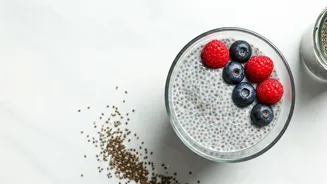
Creating truly healthy smoothies involves mindful ingredient selection rather than eliminating them entirely. The key is to avoid creating calorie-dense meal replacements. Opt for simple, balanced combinations. A good formula includes one serving of fruit, a protein source like low-fat yogurt or protein powder, a high-fiber ingredient such as chia seeds, and a low-calorie liquid base like water or skim milk, all blended together. By focusing on moderation and nutrient density, you can transform your smoothie from a potential calorie bomb into a valuable tool for achieving your nutritional goals.