

Grandma's Closet Chic
There's a noticeable shift in the fashion landscape, where the allure of vintage clothing has captivated the younger generation, Gen Z. Beyond the usual
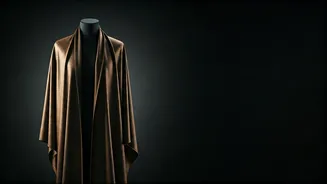
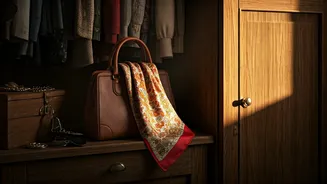
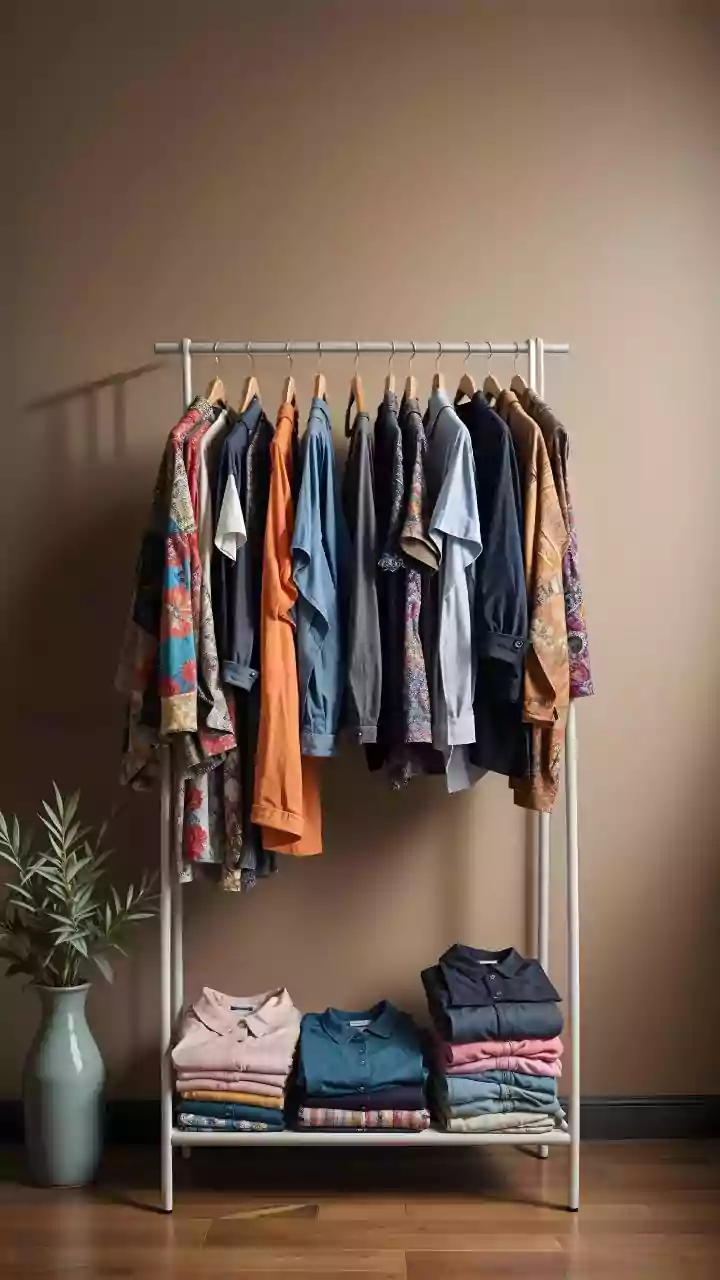
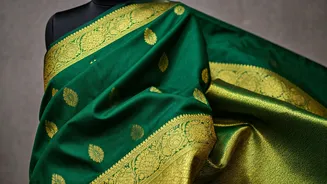
thrift store finds and meticulously curated online mood boards, a surprising realization is emerging: the most valuable vintage treasures might be tucked away in family closets. Generations are now turning to their grandmothers' wardrobes, unearthing a wealth of stylish pieces like heirloom sarees, intricately embroidered shawls, comfortable oversized knits, and elegantly structured handbags. These garments offer more than just aesthetics; they come imbued with history, personal stories, and a unique character that contemporary fashion often lacks. For Gen Z, this exploration is not solely about a nostalgic whim. It represents a quest for individuality, a subtle act of rebellion against the fleeting nature of fast fashion, and a way to connect with pieces that feel deeply personal and distinctive. It seems, in many ways, that grandmothers were the original trendsetters, setting a standard for enduring style that is now being rediscovered and celebrated.
Modernizing Heirloom Pieces
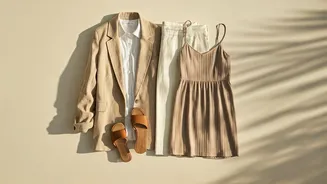
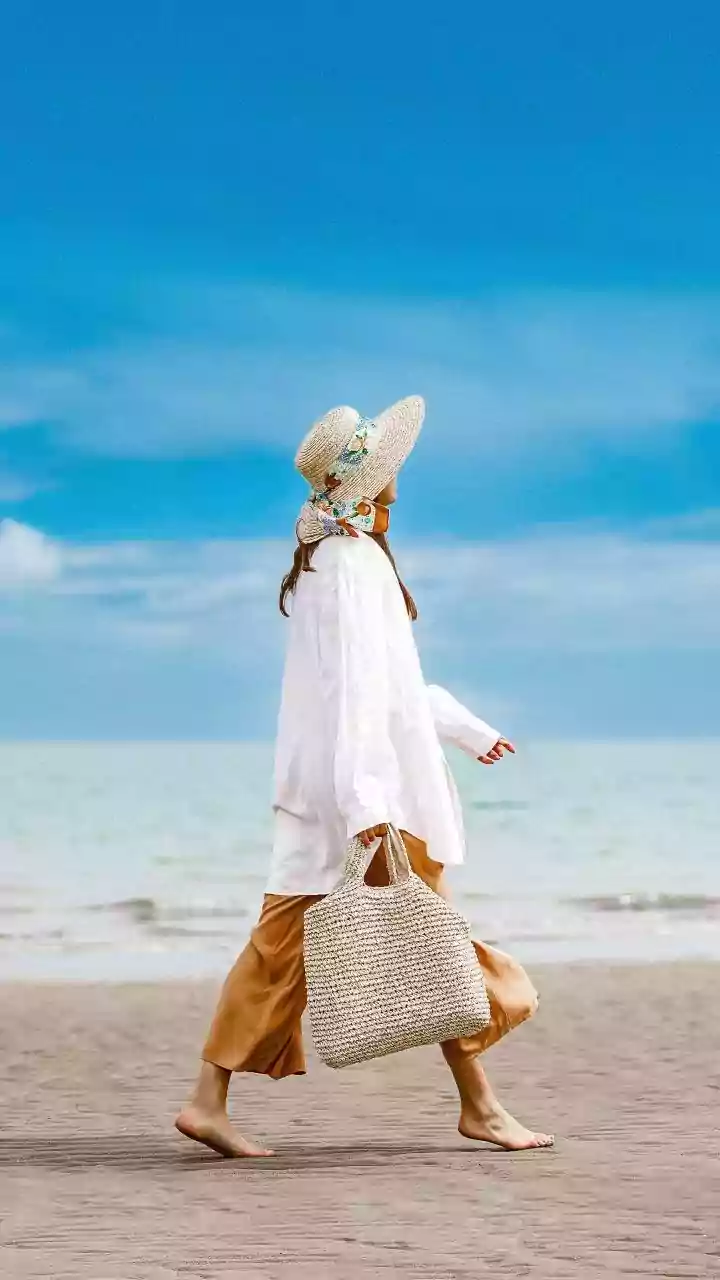
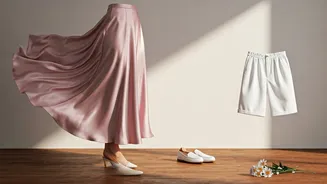
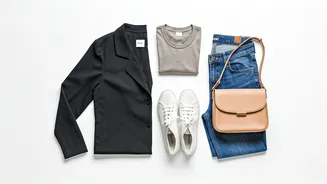
The art of incorporating vintage garments into a contemporary wardrobe lies in skillful styling, transforming pieces from decades past into looks that feel current and intentional. The key is to harmonise the nostalgic essence of the garment with modern styling elements, ensuring the outfit projects a deliberate fashion statement rather than appearing as a costume. Layering proves to be an effective technique; for instance, a vintage tunic can be reimagined as a chic mini-dress when paired with knee-high boots, or worn over wide-leg trousers for a more modern silhouette. Similarly, older dresses can gain a fresh appeal when styled with oversized blazers, cinched with chunky belts, or even worn open over a simple tank top and jeans for a relaxed, street-style vibe. The strategic use of accessories is paramount in updating the overall look. Swapping traditional accessories for contemporary choices like statement sneakers, sleek sunglasses, or a minimalist structured bag can instantly modernise the ensemble. Even a simple gesture, such as rolling up the sleeves of an old sweater and pairing it with tailored trousers, can elevate the outfit, lending it a polished and fashion-forward edge. The objective is not to mask the inherent vintage charm but to accentuate it in a way that feels remarkably fresh and relevant, ensuring that a garment from 40 years ago becomes a standout piece in your collection.
A Testament to Craftsmanship
The profound appeal of Gen Z's embrace of ancestral wardrobes extends beyond mere sentimentality. For many young fashion consumers, these pieces embody qualities that are increasingly scarce in today's fashion industry: superior craftsmanship, dedication to detail, and a distinct sense of individuality. Older garments often showcase meticulous workmanship, from hand-embroidered motifs to expertly tailored cuts, reflecting a level of care and precision that is rarely prioritized in the era of mass-produced fast fashion. Engaging with these clothes also fosters a more meaningful connection to personal possessions. A sweater that has gracefully endured for four decades or a saree passed down through generations carries with it a narrative depth that a newly purchased item cannot replicate. These garments feel less disposable and more intrinsically personal, transforming the act of dressing into a more significant experience. Consequently, this movement feels distinct from ephemeral trend cycles. It's not solely about vintage aesthetics or retro silhouettes; it's a genuine appreciation for the artistry woven into each piece, giving well-crafted items a revitalized purpose and extending their lifespan. In essence, each time Gen Z incorporates an item from their grandmother's closet, they are not just resurrecting a style; they are becoming custodians of a rich legacy.
Sustainable Style Choices
At its core, Gen Z's growing affinity for vintage fashion is intrinsically linked to an elevated consciousness regarding the environmental consequences of the fashion industry. In an economic model dominated by rapid trend turnover and perpetual consumption, choosing to wear pre-existing garments represents a conscious and impactful stance. Rather than continuously acquiring new items each season, many young consumers are rediscovering the profound value inherent in re-wearing, restyling, and repurposing clothing that has already proven its longevity. Older apparel often demonstrates a superior level of durability, a quality that is frequently overlooked in the pursuit of fast fashion. The fabrics are typically more robust, the construction more meticulous, and the designs are intended to transcend fleeting trends, thereby ensuring a longer lifespan. By reintegrating these durable pieces into their daily wardrobes, Gen Z actively contributes to extending the life of clothing, thereby reducing the demand for new production and its associated environmental footprint. What makes this approach particularly resonant is its seamless integration of sustainability with personal sentiment. Wearing an item that belonged to a grandmother is not only an environmentally responsible act but also a deeply personal one. The garment carries with it a tangible history, cherished memories, and a sense of continuity that new items cannot replicate. Thus, it can be argued that the most sustainable fashion choice is often simultaneously the most emotionally significant one.