



The Samosa Abstinence
Bollywood star Akshay Kumar recently revealed a surprising personal choice: he has completely avoided eating samosas for the past 15 years. During an appearance
on the game show 'Wheel of Fortune,' Kumar clarified that this decision isn't driven by strict dieting or a fear of weight gain. Instead, he explained that consuming samosas triggers a negative physical reaction, specifically causing acidity and discomfort. He even humorously pointed out that during the filming of the iconic song 'Jab Tak Rahega Samose Mein Aaloo,' he hadn't touched a single samosa. This personal anecdote sheds light on how individual bodies can react differently to even the most popular foods, leading to unique dietary choices.
Understanding the Samosa
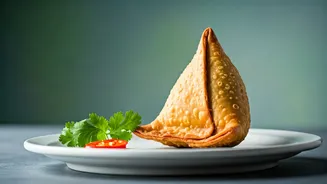
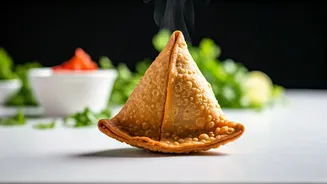
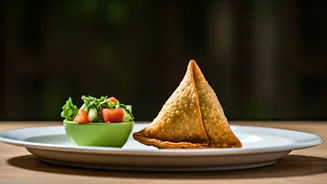
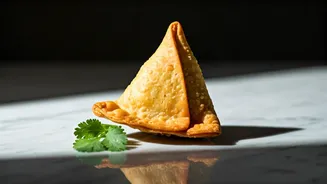
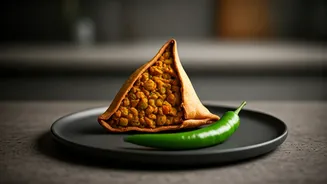
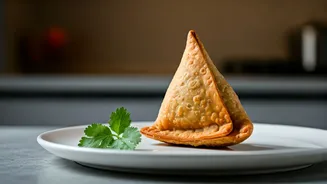
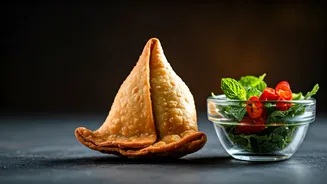
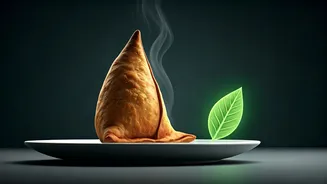
Traditionally, a samosa is a fried pastry consisting of a crisp, flaky outer shell made from all-purpose flour, encasing a flavorful filling. The most common filling features boiled potatoes seasoned with a blend of aromatic Indian spices. This savory delight is typically deep-fried to achieve its characteristic golden-brown crispiness and is almost always served hot, accompanied by tangy chutneys or sweet tomato ketchup. Originating as a popular street food in northern and eastern India, the samosa's appeal has transcended regional boundaries, becoming a nationwide favorite. Its versatility has also led to numerous fusion variations, adapting to diverse palates and contributing to its global recognition as an iconic Indian snack.
Cardiologist's Perspective
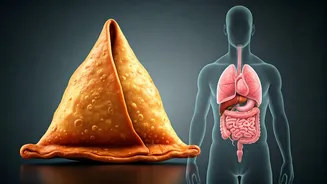
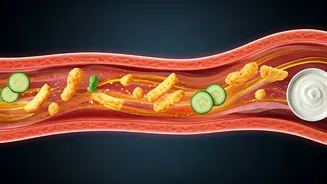
Dr. Parin Sangoi, a consultant interventional cardiologist, offers a sobering view on the regular consumption of fried and processed items like samosas. He explains that making such foods a dietary staple can lead to a silent but significant cumulative effect on one's arteries. Each serving can contribute to the build-up of cholesterol, foster inflammation, and induce oxidative stress within the vascular system. Over an extended period, this can result in the formation of arterial plaque, leading to narrowed blood vessels and a reduced flow of blood to the heart. Dr. Sangoi emphasizes that what might seem like an innocent indulgence today could potentially lay the groundwork for serious heart conditions in the future. He further elaborates that foods high in trans fats, carbohydrates, and salt can stiffen blood vessel walls, elevate blood pressure, and disrupt the balance between harmful (LDL) and beneficial (HDL) cholesterol levels.
Dietitian's Healthier Alternatives
Vedika Premani, a clinical dietitian, acknowledges that while samosas are generally considered unhealthy, there are ways to prepare them more healthily. She suggests incorporating 'functional foods' such as ginger, cinnamon, and cardamom into the filling. These ingredients not only enhance the overall taste but also offer health benefits, including immune system support and anti-inflammatory properties. Premani also notes that samosas can be enjoyed if made using healthier cooking oils and employing alternative cooking methods like baking or air frying, which significantly reduce the fat content compared to traditional deep-frying. For those who prefer to avoid samosas entirely, she recommends a range of nutritious snack options. These include baked ragi chips paired with hummus, steamed dhokla, roasted makhana (fox nuts), spicy chana chaat, and crisp khakara served with a hung curd dip. Air-fried vegetables are also presented as a lighter alternative to typical pakoras.