



Curry's Colorful Canvas
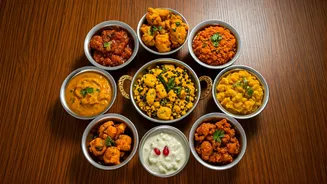
The essence of Indian food often lies in its curries, a vibrant blend of spices and ingredients. Curries are not just a dish, but a culinary philosophy,
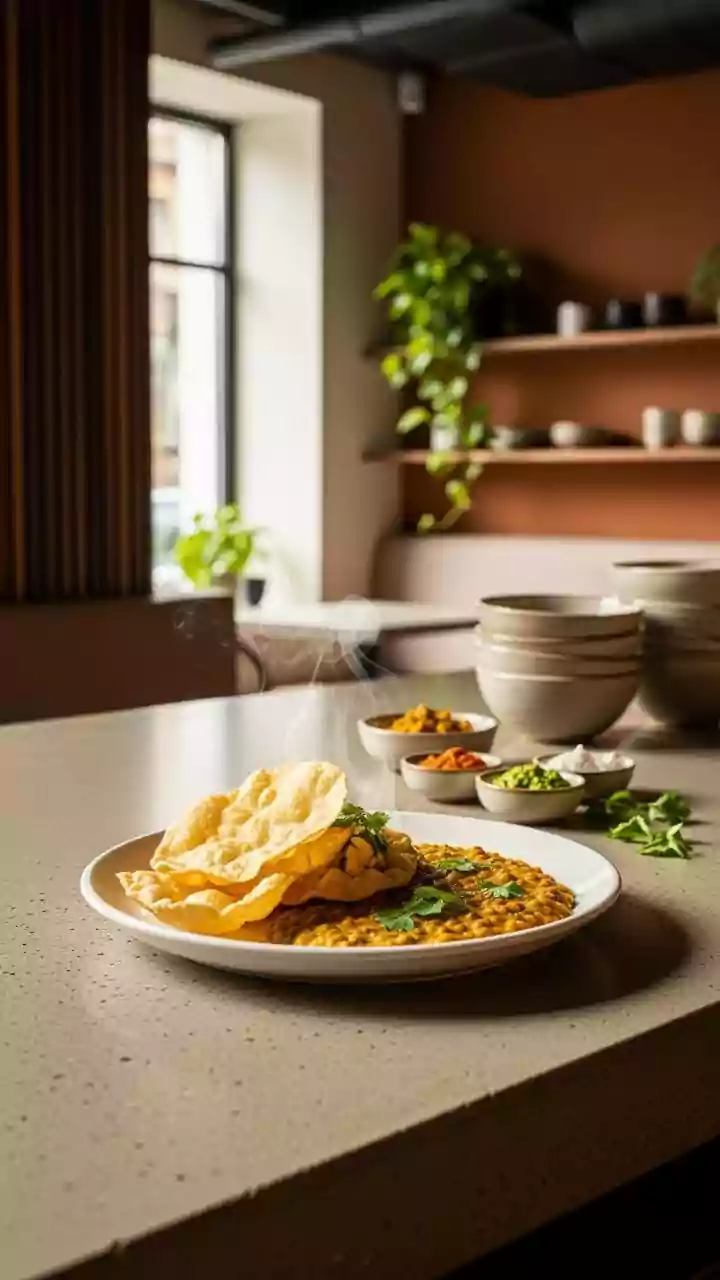
a way of life! They are incredibly diverse, reflecting regional variations. The base of an Indian curry typically starts with onions, garlic, and ginger, sautéed in oil or ghee, which is then followed by aromatic spices. Ingredients include turmeric (for that signature golden hue), coriander, cumin, and chili, which all combine to create a symphony of flavors. Depending on the region, the curry may feature tomatoes, coconut milk, yogurt, or a variety of other ingredients. Chicken, lamb, vegetables, and seafood are all commonly used as the main element in curry dishes. The slow cooking process of curries allows the ingredients to meld together, creating a complex and intensely flavorful dish. From the creamy richness of butter chicken to the fiery zest of vindaloo, curries offer an endless variety, showcasing India's rich culinary legacy.
The Tandoor's Embrace
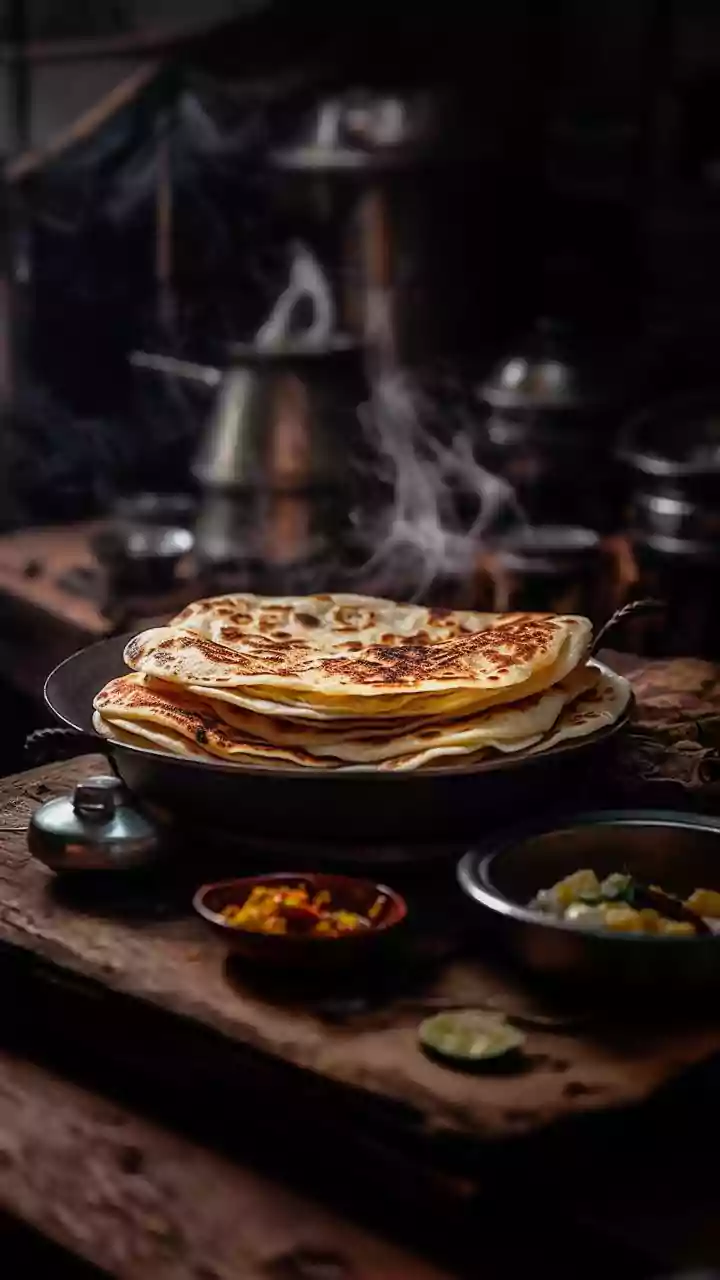
The tandoor, a traditional clay oven, holds a special place in Indian cooking. This cylindrical oven, heated to extremely high temperatures, is used for roasting meats and baking breads, such as naan and roti. The high heat creates a unique smoky flavor and texture. Meats, marinated in a flavorful blend of yogurt and spices, are cooked in the tandoor, resulting in tender, succulent dishes like tandoori chicken and kebabs. The tandoor also provides a quick way of cooking, locking in the natural juices of the meat. Naan, a leavened flatbread, is slapped onto the hot walls of the tandoor and quickly puffs up with air pockets while it's baking. It is often served with a generous smear of butter. Roti, an unleavened bread, is also cooked in the tandoor, or on a flat griddle, and it forms a staple part of many Indian meals. The tandoor cooking method is a legacy, passed down through generations, ensuring delicious and memorable meals.
Spice Rack Secrets
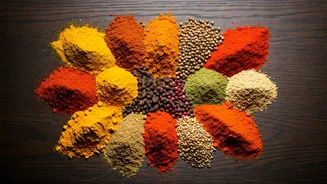
Spices are at the very heart of Indian cuisine, contributing both flavor and aroma. India, the 'land of spices', has a rich tradition of using a wide variety of herbs and spices, which are often combined in unique ways to create balanced flavor profiles. Some essential spices include cumin, coriander, turmeric, cardamom, cinnamon, cloves, and chili peppers. These spices are not just added for flavor; many have medicinal properties, too. The use of spices varies from region to region, with each area developing its distinct spice blends that characterize its cuisine. The art of balancing spices is key to Indian cooking, and it's a skill that takes time to master. Masala, the mixed spice blends, is often freshly ground and added to curries. The right mix of spices provides warmth, heat, and complexity. The variety of spices demonstrates India’s love for flavor and tradition.
Regional Culinary Wonders
Indian cuisine is far from monolithic; it has diverse regional variations. Each region has its own distinctive cooking style, ingredients, and flavor profiles. In the north, rich, creamy curries, and the use of dairy products are prominent. The south showcases the use of coconut, lentils, and seafood. In the east, fish and sweets have a special place, whilst the west is known for its vegetarian dishes. For example, butter chicken originated in Delhi, while the aromatic biryanis are a speciality of Hyderabad. The cuisine of Kerala features the flavors of the sea, whilst the cuisine of Gujarat celebrates vegetarian dishes with a touch of sweetness. From the subtle flavors of the Kashmiri dishes to the fiery fare of Andhra Pradesh, each region showcases its own unique culinary history, reflecting the diversity of Indian culture.
Snacks and Sweet Treats
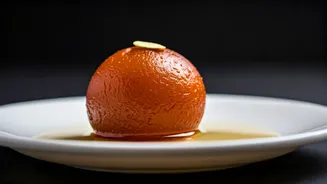
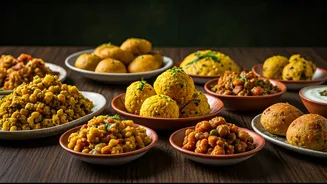
Beyond main courses, India has a rich tradition of snacks and desserts, each with distinct flavors and textures. From crispy samosas and spicy pakoras to sweet gulab jamun and rasgulla, Indian snacks and sweets offer something for everyone. Samosas, a fried pastry filled with spiced potatoes and peas, are a popular snack enjoyed with chutneys. Pakoras, made by deep-frying vegetables coated in a spiced chickpea flour batter, are a quick, tasty snack. Sweets play a vital part in celebrations. Gulab jamun, deep-fried milk balls soaked in sugar syrup, and rasgulla, cheese balls in syrup, are enjoyed across the country. These treats often incorporate milk, sugar, and various aromatic spices, reflecting India’s love for a touch of sweetness. These small bites, often served with tea, showcase India’s inventive culinary character.
Rice and Bread Tales
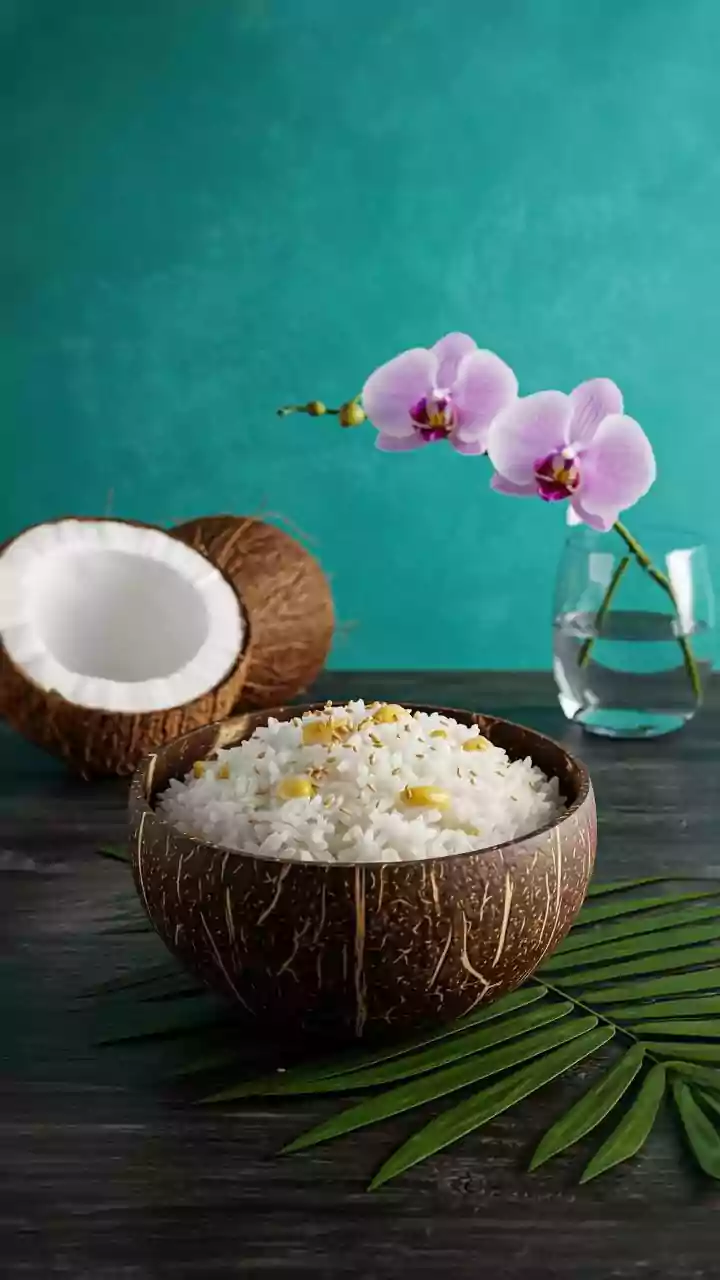
Rice and bread form the core of many Indian meals, providing a base for the flavorful curries and dishes. Rice is prepared in various ways: plain steamed rice, flavored biryani, or pulao. The type of rice used varies, with basmati rice being particularly popular because of its long grains and aromatic properties. Bread varies as well, with naan and roti being the most well known. Naan, a leavened flatbread, is cooked in the tandoor, while roti is an unleavened bread made from whole wheat flour, usually cooked on a griddle. Other breads include paratha, a layered flatbread often stuffed with vegetables. These forms of bread are not merely accompaniments; they're an integral part of the meal, essential for soaking up flavorful curries and sauces, adding textural variety. The wide range of breads and rice dishes reflect India’s diverse food culture.