






Engineering Marvel Emerges
Nestled amidst the dramatic terrain of Uttarakhand's Himalayan foothills lies the Tehri Dam, a colossal testament to human ingenuity. This impressive structure,
built across the mighty Bhagirathi River, has dramatically altered the landscape and is recognized as the tallest dam in Asia. More than just a massive concrete and rock edifice, it embodies India's drive for energy independence and highlights the intricate balance between ambitious development projects and the natural environment. Its construction has profoundly influenced the region and continues to be a cornerstone for meeting the northern Indian states' substantial energy and water demands. The dam's location is strategically chosen within the Tehri Garhwal district, an area characterized by its steep ravines and susceptibility to seismic activity, approximately 70 kilometers from Dehradun, placing it at the nexus of formidable rivers and challenging mountainous geography.
A Record-Breaking Structure
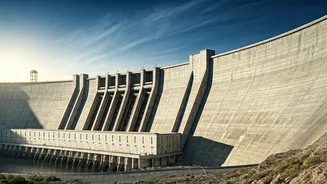
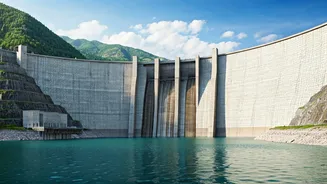
The sheer scale of the Tehri Dam is breathtaking, standing at an imposing height of 260.5 meters (855 feet). This extraordinary elevation solidifies its status as not only the tallest dam in Asia but also one of the most significant such structures globally. Its immense height enables it to impound an enormous volume of water, forming the expansive Tehri Lake, which extends far into the surrounding hills. This vast reservoir is a direct result of the dam's impressive dimensions and plays a critical role in its multipurpose functions. The creation of Tehri Lake is a defining feature of the dam's impact on the local geography, showcasing the transformative power of such large-scale civil engineering projects.
Powerhouse and Lifeline
The Tehri Dam serves as a critical national asset, functioning as both a vital source of electricity and a crucial water provider. Through its hydroelectric power generation capabilities, the project is designed to produce over 1,000 MW of energy, with plans to integrate additional pumped-storage capacity to enhance its efficiency. Beyond its energy contributions, the dam is instrumental in supplying potable water to major metropolitan areas, including Delhi and various cities in Uttar Pradesh. Furthermore, its waters are harnessed for agricultural purposes, supporting irrigation systems that cover thousands of hectares, thereby bolstering food security and economic activity in the region. The dam's multifaceted utility underscores its importance as a cornerstone of infrastructure for northern India.
Resilience in Seismic Zones
Constructed within a region known for its seismic vulnerability, the Tehri Dam incorporates sophisticated engineering to ensure its structural integrity and safety. It has been meticulously designed to withstand significant seismic events, demonstrating remarkable resilience despite its location near the geologically sensitive Himalayan fault lines. The dam's unique rock and earth-fill construction method is particularly advantageous in such terrain, providing the necessary flexibility to absorb tremors. This design choice is crucial for maintaining the dam's stability and operational capacity in an earthquake-prone area, showcasing advanced safety considerations in the face of natural challenges.
A Project of Debate
The development of the Tehri Dam has not been without significant controversy and multifaceted discussions. The construction necessitated the submergence of the historical town of Tehri, leading to the displacement of thousands of its residents, a profound social consequence. Environmental advocates and activists have voiced considerable concerns regarding the potential ecological disruptions, the inherent seismic risks associated with such large structures in fragile environments, and the broader social costs associated with major dam projects. These multifaceted issues have positioned the Tehri Dam as one of India's most intensely debated infrastructure undertakings, highlighting the complex interplay between development goals and societal concerns.
Legacy and Tourism Hub
The realization of the Tehri Dam project was an extensive undertaking, spanning over three decades from its initial planning stages to its final completion. It operates under the umbrella of the Tehri Hydro Development Corporation (THDC), a significant initiative in India's energy sector. The sheer scale of the reservoir created by the dam has transformed it into more than just a functional engineering feat; it has become a burgeoning center for recreational activities. The expansive Tehri Lake now hosts a variety of water sports and attracts tourists, adding a dimension of leisure and economic opportunity to the project. The dam's total hydroelectric power generation capacity is stated as 2400 MW.