


Introduction to Sweets
India's culinary heritage is rich with a vast array of sweets, reflecting the country's diverse culture and traditions. These desserts are an integral
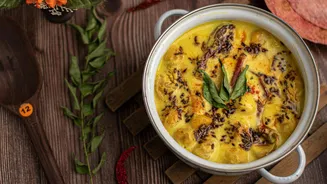
part of celebrations, festivals, and everyday life, symbolizing auspiciousness and happiness. The art of creating sweets has been passed down through generations, with each region boasting unique specialties and techniques. Many Indian sweets are made with simple ingredients like milk, sugar, ghee (clarified butter), and various nuts and spices, yet the combinations result in extraordinary flavors and textures. The use of natural colors, aromatic spices, and delicate garnishes further enhances their appeal. From the iconic Gulab Jamun to the creamy Rasmalai, Indian sweets offer a diverse range of flavors and textures to satisfy every palate. Preparing these desserts at home is not just about making food, but also about connecting with tradition and creating joyful moments with family and friends. Exploring these recipes provides an immersive journey into the heart of Indian culture, providing a deeper understanding and appreciation for its culinary wealth.
Gulab Jamun Delights
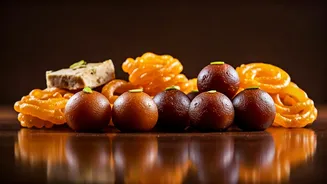
Gulab Jamun stands as a beloved Indian sweet, deeply rooted in the nation's culinary traditions. These deep-fried milk balls, soaked in a fragrant sugar syrup, are a celebration of rich flavors and textures. The preparation of Gulab Jamun typically involves making a dough from milk solids (khoya), all-purpose flour, and sometimes a leavening agent. This dough is shaped into small, round balls and deep-fried until golden brown. The frying process is crucial; it must be done at a moderate temperature to ensure the inside cooks fully and evenly, resulting in a soft, spongy texture. The fried balls are then immersed in a sugar syrup infused with cardamom, rose water, or saffron, which infuses them with sweetness and aroma. The syrup adds a sticky, glistening coating and further softens the jamuns, enhancing their melt-in-your-mouth quality. Gulab Jamun is often enjoyed during festivals and special occasions, and it's a testament to the country's ability to create simple yet profound culinary experiences. Whether served warm or cold, Gulab Jamun consistently offers a comforting sweetness that resonates with all ages.
Rasmalai's Creamy Indulgence
Rasmalai is a classic Indian dessert that offers a luxurious blend of creamy texture and subtle sweetness. These soft, flattened cheese patties, soaked in sweetened, thickened milk, are a testament to India's sophisticated approach to dessert-making. The process begins with the creation of the cheese patties (chenna), which are made from curdled milk. The chenna is kneaded until smooth and then formed into small, flat discs, which are then gently cooked in sugar syrup. This process makes the cheese soft and porous, allowing it to absorb the flavors of the syrup and the milk. The thickened milk (rabri) is prepared by simmering milk for an extended period until it reduces and thickens, developing a rich, creamy consistency. Flavors such as cardamom and saffron are frequently added to the milk to enhance the overall taste. The cooked cheese patties are then soaked in this flavored rabri, allowing them to absorb the creamy milk and imparting their characteristic richness. Rasmalai is often garnished with pistachios and almonds to add texture and visual appeal, offering a balanced and enjoyable sensory experience. The combination of soft cheese, creamy milk, and aromatic spices creates a dessert that's both comforting and elegant.
Kaju Katli's Nutty Charm
Kaju Katli, also known as cashew fudge, is a much-loved Indian sweet known for its simplicity and elegant flavor profile. This delicacy is essentially made from cashew paste, sugar, and sometimes flavored with cardamom or saffron. The preparation starts with grinding cashews into a fine powder, which is then mixed with sugar syrup. The sugar syrup is cooked to a specific consistency, crucial for the final texture, ensuring the katli does not become too hard or soft. The cashew mixture is then added to the syrup and cooked until it thickens and pulls away from the sides of the pan. This mixture is then poured onto a greased surface and allowed to cool and set. Once set, the katli is cut into diamond or square shapes and often garnished with edible silver leaf (chandi vark), which enhances its visual appeal. Kaju Katli offers a delightful balance of sweetness and nutty flavor, with a smooth, melt-in-your-mouth texture. It's a popular choice during festive celebrations, particularly Diwali, and is a perfect example of how simple ingredients can combine to produce an extraordinary sweet treat.
Gajar ka Halwa's Warmth
Gajar ka Halwa is a traditional Indian carrot pudding, celebrated for its warm, comforting flavors and rich texture. This dessert is made by slowly cooking grated carrots with milk, sugar, ghee, and often adorned with nuts and cardamom. The preparation begins with grating fresh carrots, which are then sautéed in ghee to enhance their natural sweetness and aroma. Milk is then added, and the mixture is simmered slowly, allowing the carrots to soften and the milk to reduce, resulting in a rich, creamy texture. Sugar is incorporated to sweeten the halwa, and cardamom is added for its aromatic qualities. Nuts like almonds, cashews, and pistachios are often used to add crunch and visual appeal. This dessert offers a beautiful blend of flavors and textures, with the sweetness of carrots balanced by the richness of ghee and nuts. Gajar ka Halwa is a favorite during winter months, as it is a comforting dessert. The slow cooking process enhances the flavors and provides a satisfying culinary experience. It is a testament to the art of transforming simple ingredients into a delightful treat.