




Springtime Sakura Blossoms
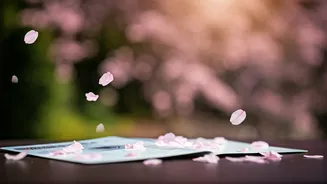
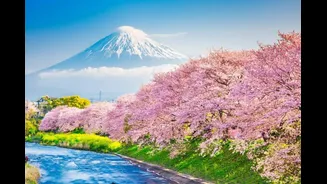
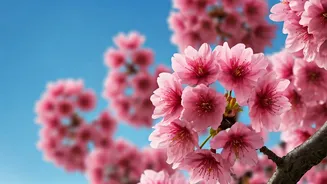
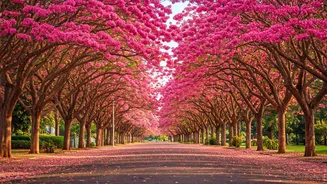
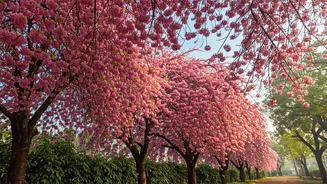
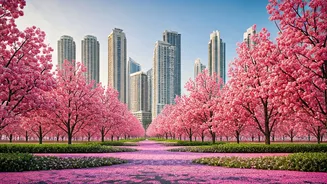
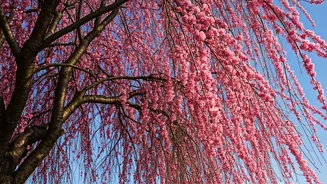
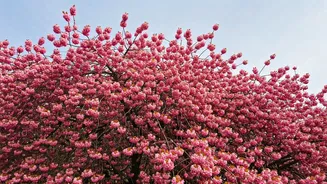
Spring in Japan is synonymous with the ephemeral beauty of the cherry blossoms, known as sakura. The season usually begins in late March or early April,
dependent on the region. The blooming period is short, typically lasting just a week or two, creating a sense of urgency to witness this natural spectacle. Many parks and gardens across the country become crowded with both locals and tourists eager to experience hanami, or flower viewing. People gather beneath the trees to picnic, celebrate, and appreciate the delicate pink petals. Beyond the visual appeal, the sakura also hold deep cultural significance, representing renewal, transience, and the beauty of life's fleeting moments. Major cities like Kyoto and Tokyo feature iconic locations like Ueno Park and Maruyama Park where visitors can immerse themselves in this unique experience. These locations become hubs for communal celebrations, creating a vibrant atmosphere that defines the season. Furthermore, the blossoms influence various aspects of Japanese culture, inspiring art, food, and festivals. The sakura season truly reflects Japan's appreciation for beauty and its connection to the natural world, offering a deeply enriching experience for any traveler. Planning your visit to coincide with the blossoms requires checking the forecast, as bloom times shift yearly. This ensures you make the most of this spectacular event.
Summer Festivals Delight
Summer in Japan is a time of vibrant festivals, known as matsuri. Throughout the country, from July through August, communities celebrate local traditions, history, and seasonal events. Many festivals feature elaborate parades, music performances, and traditional dances. Fireworks displays, or hanabi, are a significant highlight, illuminating the night sky with colorful explosions. Food stalls, or yatai, line the streets, offering a delicious array of snacks and local specialties. Popular festivals, like the Gion Matsuri in Kyoto, feature massive floats parading through the city streets. Other festivals are known for their unique rituals, like the Tanabata Star Festival, where people write wishes on colorful strips of paper. Summer festivals also offer the chance to experience traditional Japanese clothing like yukata, a casual cotton kimono. Participants and spectators often wear yukata, adding to the festive atmosphere. These cultural gatherings provide insight into the diverse regional traditions. Summer festivals showcase the spirit of community and provide opportunities to experience Japanese culture in an immersive way, offering fun activities.
Winter Ice, Snow Wonders
Winter in Japan transforms the landscape with blankets of snow and the sparkle of ice, creating a scene of unparalleled beauty. In northern regions, such as Hokkaido, snow sports thrive, drawing skiers and snowboarders from around the world. The mountains and ski resorts become popular destinations, attracting people who enjoy the thrill of the slopes. Hot springs, or onsen, offer warmth and relaxation, providing a cozy retreat from the cold. Many onsen resorts are nestled among the snow-covered mountains, providing an amazing experience. In addition to skiing, winter offers unique cultural experiences like snow festivals, where intricate ice sculptures are displayed. The Sapporo Snow Festival is one of the most famous, featuring massive snow and ice sculptures. These events transform cities into winter wonderlands, attracting tourists. Moreover, winter light-ups, such as those at the Nabana no Sato botanical garden in Mie Prefecture, illuminate the night, creating beautiful displays. The contrast between the cold and the beauty of nature adds to the enchantment of the season. Winter in Japan showcases a blend of natural beauty and cultural activities, offering diverse experiences. Planning your visit in winter requires appropriate clothing and gear. This ensures you fully enjoy the season's wonders.