






Modern Learning Approaches
Modern learning is about embracing innovative methods that keep pace with the world's rapid advancements. Instead of traditional teaching, educators now
incorporate new technologies to bring lessons alive, creating engaging environments and providing more hands-on activities. Project-based learning encourages students to solve real-world problems. Furthermore, blended learning models are gaining popularity by combining online resources with in-person teaching. These approaches aim to make education more accessible, personalized, and relevant to the needs of each student. The shift also involves teaching critical thinking, creativity, and collaboration skills, which are vital for success in the 21st century. By adopting these methods, schools aim to empower students to become independent thinkers and lifelong learners, prepared to face the complex challenges of the future. The emphasis on practical skills is also on the rise, recognizing the growing demand for job-ready graduates. This means updating curricula with the latest industry insights and providing students with opportunities to gain practical experience through internships or apprenticeships.
Technology Integration Strategies
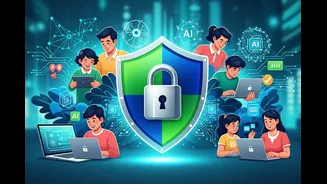
Integrating technology effectively into education can revolutionize the learning process. The use of interactive whiteboards, tablets, and educational software brings lessons to life, making them more visually appealing and interactive. Online learning platforms offer students access to a vast array of resources, allowing them to study at their own pace and tailor their learning experience. Virtual reality (VR) and augmented reality (AR) are also transforming education by providing immersive experiences, such as virtual field trips or interactive simulations. The introduction of artificial intelligence (AI) is personalizing education, enabling adaptive learning systems that adjust to each student's needs. Proper training for teachers is key. Educators need to receive extensive training to effectively utilize these tools in the classroom. This ensures that the technology is used strategically to enhance learning rather than being a distraction. Cybersecurity and data privacy are crucial aspects to consider, especially when dealing with student information. Schools must implement robust measures to protect sensitive data and teach students about online safety. The focus should always remain on how technology can enhance learning outcomes, preparing students for a digitally-driven future while also teaching them to use technology responsibly.
Teacher Training and Development
Effective teacher training and development are critical for improving the quality of education. Ongoing professional development opportunities, such as workshops, seminars, and online courses, are vital for keeping teachers updated on the latest teaching methods and technologies. Mentorship programs provide guidance and support to new teachers, helping them to navigate the challenges of the classroom. Investing in quality initial teacher education is equally crucial, as it sets the foundation for a teacher's career. Teacher training should also focus on subject-specific knowledge and pedagogical skills, as well as the ability to adapt to diverse learning styles. Training that emphasizes inclusive teaching practices is essential, so teachers can effectively support students with disabilities and from diverse cultural backgrounds. Encouraging collaboration among teachers is also important, as this allows them to share best practices, learn from each other, and create a supportive professional community. Furthermore, leadership development programs for school administrators help to create a positive school culture, improve communication, and support teachers in their efforts to enhance student outcomes. Providing teachers with the resources and support they need is crucial for attracting and retaining skilled educators.
Curriculum Reform Initiatives
Curriculum reform is a crucial factor to ensure education meets contemporary needs. Regular updates to curricula are necessary to keep them relevant and aligned with industry standards and societal demands. A shift towards skills-based learning emphasizes practical abilities and critical thinking skills. This approach enables students to apply their knowledge in real-world contexts. The integration of interdisciplinary learning is also gaining traction, encouraging students to make connections across various subjects and promoting a more holistic understanding of topics. STEM (Science, Technology, Engineering, and Mathematics) education is becoming a priority, equipping students with the skills needed for careers in these rapidly growing fields. Emphasis on arts and humanities is equally important, fostering creativity, critical thinking, and cultural awareness. Incorporating digital literacy into the curriculum is essential, enabling students to navigate the digital world effectively and responsibly. The flexibility to adapt the curriculum to meet the specific needs of students and local communities is a key element of effective curriculum reform. Regular assessment and evaluation of the curriculum's effectiveness are vital to ensure it is achieving its intended goals. Curriculum reform requires collaboration between educators, policymakers, and community stakeholders.
Inclusive Education Practices
Promoting inclusive education practices ensures that all students, regardless of their background or abilities, have access to a quality education. Creating a welcoming and supportive school environment that celebrates diversity is a crucial first step. Differentiated instruction involves tailoring teaching methods and materials to meet the needs of individual students. This approach can be particularly helpful for students with learning differences or disabilities. Providing access to assistive technologies and support services is essential for students with special needs. This includes providing adaptive equipment, speech therapy, and other specialized interventions. Training teachers in inclusive education practices and creating inclusive classrooms helps create an environment where all students can thrive. Collaboration between educators, parents, and support staff is crucial for developing and implementing effective individualized education programs. Building a strong support system within the school, involving peer support programs and mentorship initiatives, helps create a sense of belonging and helps students feel valued. Creating policies that actively promote inclusion, such as anti-bullying campaigns and zero-tolerance policies for discrimination, reinforces the school's commitment to creating a safe and equitable learning environment.
Assessment and Evaluation
Effective assessment and evaluation are crucial to ensure that education is meeting its objectives and to improve learning outcomes. Moving beyond traditional standardized tests, it is essential to incorporate a variety of assessment methods, such as project-based assessments and portfolios, which provide a more comprehensive view of student learning. Providing timely and constructive feedback to students allows them to understand their strengths and weaknesses and to improve their learning. Using assessment data to inform instruction enables educators to tailor their teaching methods to the specific needs of their students. Regular evaluation of teaching practices by educators is important, to ensure that teaching strategies are effective and to provide opportunities for professional development. Engaging parents and guardians in the assessment process enables them to support their children's learning at home. Ensuring that assessment practices are fair and equitable, and that they do not perpetuate biases, is also critical. Utilizing technology to enhance the assessment process, such as online quizzes and automated grading, can improve efficiency and provide more timely feedback. The data collected from assessments should inform curriculum development and school improvement initiatives.