





Market Downturn Explained
The gold and silver markets have recently witnessed significant price corrections, presenting a pivotal moment for investors. This downturn includes the
largest single-day fall since 1980, significantly impacting market sentiment. Experts suggest a potential further dip, with some anticipating a decline of up to 30% in the price of white metal. This volatility is influenced by various factors, including the raising of margins on silver by CME, contributing to the downward pressure on prices. These dynamics are crucial for investors to understand as they assess their current positions and plan for future investments. The market's reaction to these economic adjustments highlights the importance of staying informed and adaptable in the fast-paced world of precious metals trading.
Silver Rate's Volatility
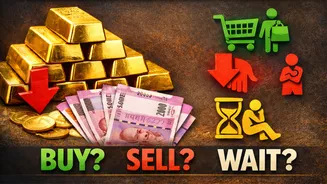
Silver, in particular, has experienced intense volatility, with rates plummeting by as much as 9% in a single trading session on the MCX. This sharp decline has brought the price of silver down significantly, trading at a level 46% lower than its record high. Market analysts and seasoned investors are now deliberating whether this is an opportune moment to accumulate silver or if it’s time to exit existing positions. The substantial drop suggests a potential buying opportunity for those with a long-term investment horizon, but also signals caution given the possibility of further price declines. Considering these aspects requires careful consideration of the broader economic trends and individual risk tolerance before making any investment decisions. The current scenario underscores the importance of a comprehensive market analysis and personalized financial advice to navigate these challenging times.
Expert Insights and Predictions
Market analysts and financial experts are currently providing their insights into the future trajectory of gold and silver prices. Their analyses indicate a cautious outlook, with expectations of further price declines for white metal. Specifically, some experts are projecting that silver prices could potentially dip an additional 30%. These projections are rooted in understanding the current market dynamics, including the recent actions by CME and the broader economic environment. The insights provided by professionals are valuable tools for investors looking to make informed decisions. These expert analyses offer guidance on navigating the complex landscape of precious metals trading. It is crucial to consider these predictions, but also to recognize that market forecasts are not always guaranteed and that individual due diligence and professional consultation should be key parts of the investor’s process.
Investor Strategies
Given the current market conditions, investors are at a crossroads, needing to make strategic decisions regarding their gold and silver holdings. One key consideration is whether to accumulate more precious metals during this period of price correction or to exit existing positions to mitigate potential losses. If an investor's assessment indicates a long-term perspective and confidence in the fundamentals of precious metals, then accumulating might appear attractive. However, risk-averse investors might opt to reduce their exposure until the market stabilizes. Furthermore, a crucial element of investor strategy involves monitoring market trends, economic indicators, and expert opinions. Investors should tailor their approach to suit their financial goals, risk tolerance, and investment timeframes. Diversification of the portfolio is also a prudent move, which would help mitigate risks and leverage potential opportunities. This strategic and measured approach supports informed decisions in a volatile market.
Economic Context
Understanding the wider economic context is essential when analyzing the gold and silver markets. Various factors play a role in influencing the price trends, including interest rate decisions, inflation data, and global economic growth. The recent moves by the CME, such as increasing margin requirements, can also exert considerable influence on the market. These economic indicators act as signals, providing investors with essential information to assess market trends. Economic data, along with geopolitical developments, impact the demand and supply dynamics of precious metals. Therefore, investors should keep a close eye on economic announcements and shifts in global politics to develop comprehensive strategies. Thorough understanding of the economic environment offers better-informed decision-making in the precious metals market, which helps investors position their portfolios more effectively.