




Turmeric's Time to Shine
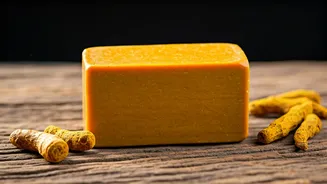
Turmeric soap, infused with the vibrant spice known for its use in Indian cuisine, is experiencing a surge in popularity. Its appeal stems from the purported
benefits of turmeric, primarily the compound curcumin. Many people are attracted to the idea that turmeric's properties, such as its anti-inflammatory and antioxidant capabilities, can be transferred to skincare. The trend has captured the attention of health and beauty enthusiasts worldwide. This popularity is driven by a desire for natural skincare solutions. Turmeric is associated with Ayurvedic practices and has a long history of use. Social media further amplifies its appeal, with users sharing testimonials and before-and-after photos, fueling the demand for turmeric-infused products.
Benefits of the Spice
Advocates of turmeric soap highlight a range of benefits. Curcumin, the active compound, is believed to combat inflammation, which could help with conditions like acne and eczema. Its antioxidant properties are thought to protect skin from environmental damage. Many claim that turmeric soap can brighten skin tone, reduce hyperpigmentation, and impart a healthy glow. Some individuals report a reduction in blemishes and the fading of scars. Turmeric soap is often regarded as a gentle, natural alternative to harsh chemical-based cleansers. While anecdotal evidence abounds, the scientific basis for all these benefits is still under active investigation. Therefore, it is important to treat these claims with a balanced perspective.
Who Should Proceed?
While turmeric soap may be suitable for many, it is not universally beneficial. Individuals with sensitive skin should exercise caution. Even natural ingredients can trigger irritation or allergic reactions. Before widespread use, a patch test is recommended to determine the skin's reaction. Those with specific skin conditions, such as rosacea or severe eczema, should consult a dermatologist before incorporating turmeric soap into their skincare routine. Individuals with known allergies to turmeric or related spices should avoid the product altogether. Similarly, those using prescription topical medications should consult with a doctor. Overuse of turmeric soap can lead to dryness or irritation, negating its potential benefits. Moderation and observation are key.
Avoiding Potential Issues
To fully leverage turmeric soap without unwanted side effects, several precautions should be considered. When choosing a product, look for soaps with a high percentage of turmeric extract. Additionally, opt for soaps that contain other skin-friendly ingredients like coconut oil or shea butter. It is important to perform a patch test on a small area of skin, such as the inner forearm, before applying the soap to your entire face or body. Observe the test area for 24-48 hours for any signs of irritation, redness, or itching. It is recommended to start with using turmeric soap once or twice a week, gradually increasing the frequency. If any adverse reactions appear, discontinue use and consult a dermatologist. Protecting the skin's moisture barrier by following up with a hydrating moisturizer is also a good practice.
Final Thoughts
Turmeric soap can be a beneficial addition to a skincare routine for those seeking natural and potentially effective solutions. While the spice has the potential to provide a range of skin benefits, it's essential to approach it with informed expectations and cautious practices. By understanding its advantages, potential drawbacks, and by implementing precautionary measures, one can make informed decisions. It can be a valuable choice in a skincare regimen, if used appropriately. Consult with dermatologists or healthcare professionals before using any new skincare product.