


Strategic Eating for Blood Pressure
Managing high blood pressure often begins with a focused approach to your diet. Experts recommend specific categories of foods that can contribute to lower
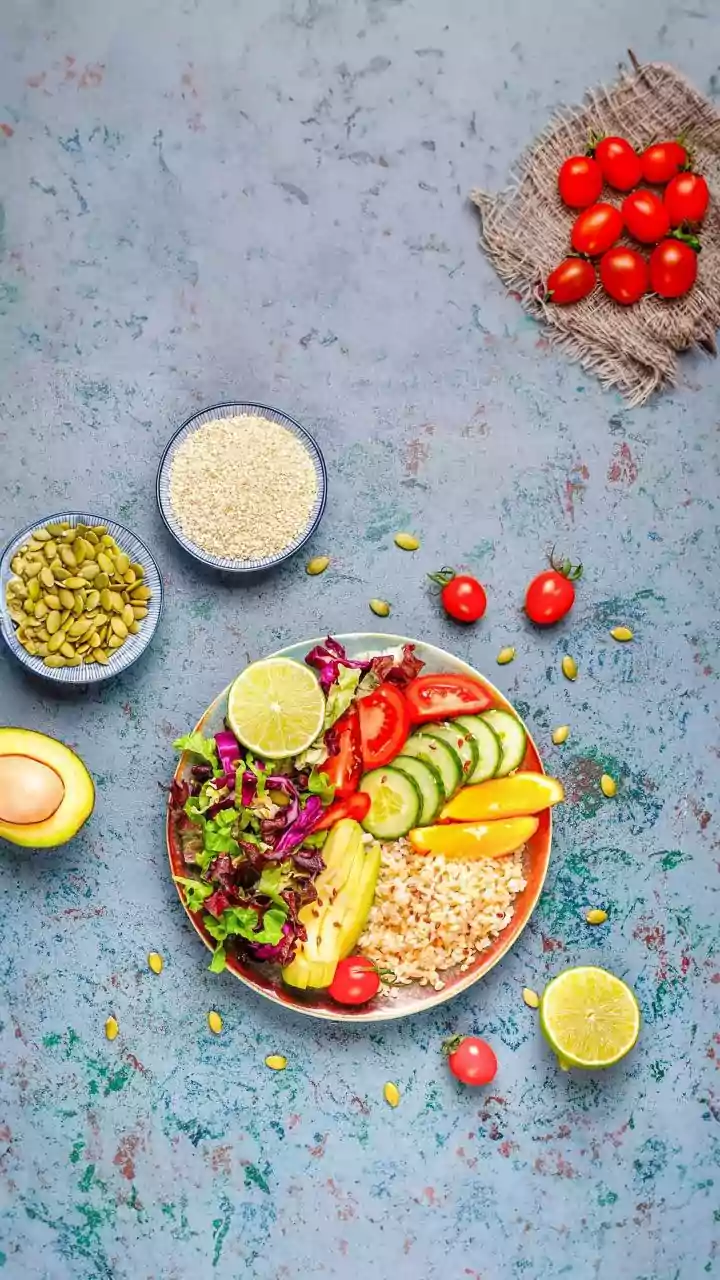
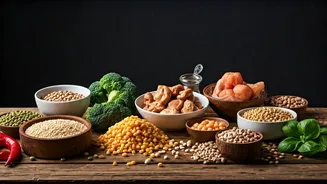
readings. This includes a variety of whole grains, which are often lauded for their heart-health benefits. Among these, a particular whole grain stands out for its efficacy in blood pressure management, often highlighted by dietitians. Similarly, when considering protein sources, a curated list of seven proteins is suggested for those aiming to reduce hypertension. These selections are not arbitrary; they are chosen for their nutritional profiles that support cardiovascular well-being. Even seemingly simple choices like cereals can make a difference, with dietitians identifying six specific cereals that can aid in lowering blood pressure. The type of salt consumed is also a consideration, with dietitians guiding consumers towards the best salt options for better blood pressure control. Furthermore, incorporating the right dairy products, such as the number one recommended dairy item by dietitians, can be beneficial. The role of nuts is also emphasized, with a specific nut identified as the top choice for improving blood pressure. Beyond these individual food groups, there are broader dietary patterns like the Mediterranean diet, high-fiber, and low-sodium diets that are recognized for their positive impact on heart health.
Key Nutrients and Foods
Certain nutrients and specific foods play a crucial role in the quest for healthier blood pressure. Experts highlight four key nutrients that dietitians recommend for their blood pressure-lowering properties. These essential components work synergistically to support cardiovascular function. When it comes to vegetables, a selection of the five best options is identified by dietitians to promote better blood pressure. These vegetables are packed with vitamins, minerals, and antioxidants vital for heart health. Similarly, for carbohydrates, dietitians point to seven types of carbs that can contribute positively to blood pressure management. The article also delves into proteins, listing seven recommended protein sources to incorporate into your grocery list for managing high blood pressure. Beyond these fundamental categories, specific food items are often singled out. For instance, a particular spice is recognized by experts as the number one herb for healthy blood pressure. The article also explores the concept of 'bad' foods that might actually be beneficial, with dietitians pointing to six such foods that could help lower blood pressure. Conversely, understanding what to avoid is equally important, and dietitians identify the number one thing to steer clear of if you have high blood pressure. The role of whole grains is consistently highlighted, with the top whole grain recommended for lowering blood pressure. Even seemingly simple items like canned foods are addressed, with dietitians suggesting eight of the best canned foods for high blood pressure, and offering guidance on choosing the healthiest canned soup.
Hydration, Sleep, and Stress Management
Beyond dietary choices, lifestyle factors significantly influence blood pressure. Hydration, for example, plays a critical role; understanding whether dehydration causes high blood pressure is essential. Certain beverages are also highlighted for their potential effects. The best tea for lowering high blood pressure, according to dietitians, offers a comforting and effective way to manage readings. Conversely, some drinks might inadvertently raise blood pressure, and these are identified to help consumers make informed choices. For instance, the impact of drinking coffee and black tea on blood pressure is explored. Furthermore, the quality and quantity of sleep are paramount. Research indicates what happens to blood pressure when individuals don't get adequate sleep, underscoring the importance of an 8-hour sleep schedule. Stress is another major contributor to elevated blood pressure. The article examines what happens to blood pressure when individuals are too stressed, emphasizing the need for effective stress management techniques. Understanding these physiological responses empowers individuals to make holistic changes for better cardiovascular health.
Daily Habits for Better Readings
Optimizing blood pressure doesn't solely rely on diet; daily habits are equally crucial. Cardiologists offer insights into what to do before bed to aid in lowering blood pressure, suggesting simple yet effective routines. Similarly, specific morning habits can set the tone for the day, with experts outlining six things to do upon waking if you have high blood pressure. These morning rituals can be as impactful as evening ones. Dietitians also pinpoint afternoon habits that can contribute to better blood pressure readings, highlighting simple adjustments that can be made during the day. The article also explores specific actions that can influence blood pressure, such as the potential impact of regular beet consumption and the effects of stopping alcohol intake. Even seemingly minor daily activities, like walking 10,000 steps a day, are examined for their scientific backing in lowering blood pressure. The timing of meals can also matter, with dietitians suggesting the best time to eat breakfast for those managing high blood pressure. Ultimately, integrating these conscious habits into your daily life can foster a sustained improvement in cardiovascular health.
Snacking and Convenience Choices
Making smart choices about snacks and convenience foods is vital for managing blood pressure, especially for busy individuals. Dietitians identify the number one snack to help lower high blood pressure, offering a go-to option for those seeking healthier alternatives. The best late-night snack for high blood pressure is also recommended by dietitians, addressing the common challenge of evening cravings. Furthermore, the article explores how to stock up strategically, with dietitians providing a list of seven foods to find at popular stores like Costco if you have high blood pressure. Convenience foods can be a double-edged sword, but dietitians have identified six convenience foods that can actually help lower blood pressure, provided they are chosen wisely. Frozen foods also present an opportunity for healthier choices, with dietitians recommending six of the best frozen foods for better blood pressure, including four top frozen veggie picks. Weight loss-friendly snacks that also aid in blood pressure management are highlighted, offering a dual benefit for health-conscious individuals. The number one snack for weight loss and high blood pressure is also pinpointed, offering a strategic choice for those aiming for both goals.