



Garde Manger & Charcuterie
Many chefs find that the intricate techniques of garde manger, particularly the creation of pâté en croûte, homemade sausages, and cured meats, are largely
absent from modern restaurant operations. While foundational to culinary education, these time-consuming and specialized skills are rarely in demand for day-to-day service, leading many professionals to rarely, if ever, practice them post-graduation. The emphasis has shifted to efficiency and speed, making these elaborate preparations more of a historical footnote than a practical kitchen reality.
Elaborate Fish Preparations
Sophisticated preparations like 'Salmon en Bellevue,' a visually stunning but labor-intensive method of presenting salmon in a jelly mold, are seldom seen in professional kitchens. The complexity and time investment required for such dishes make them impractical for the fast-paced environment of a restaurant. Chefs are more likely to focus on simpler, quicker methods that highlight the fish's natural flavors without the need for extensive decorative elements or specialized molds that rarely justify the effort.
Mise en Place Rituals
While the concept of 'mise en place' – having all ingredients prepped and organized before cooking – is fundamental and universally applied, some of the more granular practices taught in culinary school are less common. For example, the strict rule of portioning every single ingredient into separate bowls before starting can be seen as excessive in a professional setting where workflow and efficiency dictate a more streamlined approach. Experienced chefs often adapt mise en place to suit the specific demands of their kitchen, prioritizing practicality over rigid adherence to every detail learned in school.
From-Scratch Pastry & Garnish
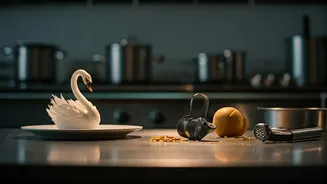
The skill of making puff pastry from scratch is a time-consuming endeavor that many chefs admit they rarely, if ever, perform after culinary school. The availability of high-quality pre-made puff pastry and the pressure of service make it an inefficient use of resources. Similarly, elaborate finger food garnishes, such as meticulously scooping, mixing, and piping yolks back into eggshells, are often deemed too fiddly and time-consuming for professional contexts, leading chefs to favor simpler, more efficient presentation methods.
Artistic Ice Sculptures
Ice carving, a practice that develops precision and artistic flair, is a skill that most professional chefs have no occasion to use in their restaurant careers. While it offers a striking visual element for special events or banquets, it's a niche skill that doesn't translate to the everyday demands of food preparation and service. Consequently, the extensive training in ice sculpting often becomes a forgotten art form for those working in standard kitchen environments.
Classic Mother Sauces
The reliance on foundational 'mother sauces' like Béchamel and Hollandaise, as taught in culinary school, often gives way to practical shortcuts in professional kitchens. Many restaurants opt for high-quality pre-made sauces or simplified versions to save time and labor during busy service periods. While understanding the principles of mother sauces is valuable, their direct application in their most traditional form is less common than one might expect, with convenience often taking precedence.
Intricate Pastes & Dusts
Specialized techniques like creating parsley dust or garlic paste are examples of culinary school lessons that rarely find a place in a professional chef's repertoire. While these garnishes can add a subtle flavor or visual appeal, they are often perceived as superfluous and time-consuming for the daily grind of a restaurant kitchen. Chefs typically prioritize efficiency, opting for simpler flavor enhancements or garnishes that can be prepared quickly and consistently.
Savory Gelatin Creations
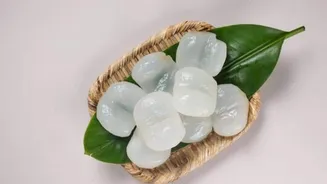
Aspic, a savory jelly made from meat broth, is another technique that chefs frequently cite as being confined to the academic setting of culinary school. Its delicate texture and elaborate presentation are difficult to execute consistently and efficiently in a commercial kitchen. The skill set required for perfect aspic is highly specialized and rarely relevant to the typical menu offerings, making it a rarely used, if ever, culinary technique.
Dramatic Flambé Techniques
While visually impressive, the extensive practice of flambéing dishes, which involves igniting alcohol to cook food and add flavor, is not a common daily occurrence for most professional chefs. The inherent risks, specialized equipment, and the fact that many dishes don't require this dramatic flourish mean it's often reserved for specific menu items or special occasions. The emphasis in many kitchens is on consistent, repeatable results rather than elaborate culinary theater.
Whole Carcass Butchery
Breaking down a full animal carcass or butchering meat from scratch is a skill that, while valuable to understand, is rarely performed by chefs in their professional roles. Most restaurants source pre-portioned cuts from specialized suppliers, which is more cost-effective and efficient. This type of butchery is more likely to be a hobby for personal use or shared amongst friends and family rather than a standard kitchen task.
Dessert Specialities
Specific pastry items like cream puffs, while delicious, are often not a regular feature on professional restaurant menus that focus on savory dishes or simpler desserts. The labor involved in creating perfect cream puffs consistently can be demanding, and many establishments opt for desserts that are easier to produce in larger quantities or require less intricate assembly. This means the skills honed in school for such items might go unused in a professional setting.
Dough Manipulation
Techniques such as 'pulling dough' for strudel, which requires a specific skill set and a considerable amount of practice to master, are infrequently utilized in many professional kitchens. The time and effort involved in achieving the paper-thin dough required for authentic strudel can be prohibitive. Restaurants often prefer to use more efficient methods or pre-prepared doughs to meet the demands of service and maintain consistency across their offerings.
Game Meat Utilization
The culinary school curriculum sometimes includes extensive work with game meats, but many professional chefs find they rarely incorporate these ingredients into their menus. Reasons range from the inconsistent availability and higher cost of game to personal preferences and the potential for encountering pellets within the meat. As a result, the skills developed for preparing lean, gamey proteins are often not put into practice in mainstream restaurant environments.
Precision Vegetable Cuts
Fancifully shaped vegetables, such as 'fluted mushrooms,' and precise cuts like 'oblique' or 'paysanne' are typically reserved for culinary school exercises. While these techniques demonstrate knife skills and attention to detail, they are generally considered too time-consuming and decorative for the practical demands of everyday restaurant cooking. Chefs prioritize efficiency and consistency, often opting for simpler, more manageable cuts for their dishes.
Tourné Potato Mastery
The 'tourné' cut, a classic French technique for shaping potatoes into seven-sided, barrel-like forms, is a skill that few professional chefs encounter in their careers. Even in upscale dining environments, the labor-intensive nature of this cut makes it impractical for regular use. Chefs often favor more straightforward methods for preparing potatoes that are quicker and more consistent, relegating the tourné technique to a demonstration of advanced knife skills rather than a functional kitchen practice.