




Introduction to Punjabi Cuisine
Punjabi cuisine is known for its rich flavors, generous use of dairy products like ghee, and the bold blend of spices. Originating from the Punjab region
of India and Pakistan, it has become a favorite across the globe. The heart of Punjabi cooking lies in its simplicity and accessibility, making it perfect for both everyday meals and festive occasions. This cuisine often features dishes cooked in tandoors (clay ovens), resulting in a unique smoky flavor. The influence of agriculture in the region is evident in the liberal use of grains, lentils, and fresh vegetables. The warmth of Punjabi hospitality extends to its cuisine, where sharing food is a central cultural value. This guide provides 17 easy recipes, from classic dishes to new variations, all designed to bring the spirit of Punjab to your kitchen. The recipes aim to be straightforward, allowing you to create authentic Punjabi food experiences at home without needing complex culinary expertise. Get ready to explore a world of flavors, from the creamy texture of butter chicken to the satisfying crunch of samosas, all within easy reach.
Dals and Lentils
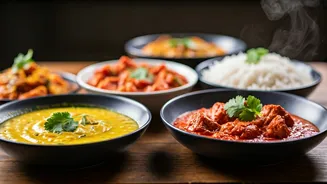
Dals, or lentil dishes, form a cornerstone of Punjabi cuisine, prized for their protein content and hearty flavors. The most popular among them are Dal Makhani and Dal Tadka. Dal Makhani, often referred to as the 'king of dals,' is a creamy and rich dish made with black lentils (urad dal), kidney beans (rajma), butter, and cream. It simmers for hours, allowing the flavors to meld beautifully. Dal Tadka, on the other hand, is a quick and vibrant dal, usually made with yellow lentils (toor dal) or masoor dal (red lentils). A tadka, or tempering of spices, is added to the dal at the end, infusing it with aromatic spices such as cumin seeds, mustard seeds, and asafoetida. Both dals are staples, often served with rice or roti. These dishes are not only flavorful but also pack a nutritional punch, making them a balanced meal option. Each recipe provides a step-by-step guide, ensuring the creation of a perfect texture and taste, allowing anyone to prepare these culinary classics with ease. These dals offer a comforting and satisfying experience, capturing the essence of Punjabi home cooking.
Chicken and Meat Dishes
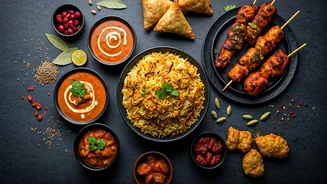
Punjabi cuisine is known for its diverse and flavorful meat dishes, with chicken being a prominent ingredient. Butter Chicken is probably the most popular dish, consisting of chicken pieces marinated in yogurt and spices, then simmered in a rich tomato-based gravy with butter and cream. Another favorite is Chicken Tikka Masala, where tandoori-baked chicken pieces are cooked in a creamy, spiced masala sauce, often served with naan. Mutton dishes are also highly regarded, with Rogan Josh and Saag Gosht being popular choices. Rogan Josh is a flavorful lamb curry with a rich, aromatic gravy, originating from Kashmir but adopted by Punjabi cuisine. Saag Gosht combines tender mutton pieces with a creamy spinach-based gravy. All of these dishes typically incorporate a blend of spices, including ginger, garlic, turmeric, and garam masala, which are crucial for the authentic Punjabi taste. These meat dishes are often enjoyed with roti, paratha, or rice, creating a complete and fulfilling meal. These recipes provide detailed instructions and tips to help you replicate these iconic dishes in your own kitchen.
Vegetable Delights
Vegetable dishes in Punjabi cuisine are as diverse and delicious as its meat counterparts. Aloo Gobi, made with potatoes and cauliflower, is a popular vegetarian option, cooked with spices like turmeric, cumin, and coriander. Palak Paneer (spinach with cheese) is another favorite, blending the creaminess of paneer with the earthy flavor of spinach and a touch of spices. Baingan Bharta (smoked eggplant mash) is a smoky, flavorful dish where the eggplant is grilled, mashed, and then cooked with onions, tomatoes, and spices. Another beloved dish is Chole Bhature, a combination of spicy chickpea curry (chole) and deep-fried bread (bhature). Each of these dishes reflects the vegetarian preferences prevalent in Punjabi culture. These vegetable dishes are a testament to how creative and flavorful vegetarian food can be. They are suitable for various skill levels and provide a vibrant burst of flavor.
Bread and Rice
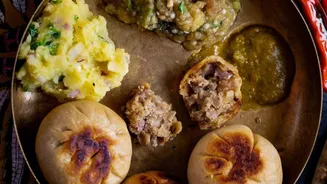
Bread and rice are essential accompaniments to Punjabi dishes. Naan, a leavened flatbread baked in a tandoor, is a staple, often enjoyed with curries and gravies. Paratha, a layered flatbread, can be plain or stuffed with various fillings such as potatoes, cauliflower, or paneer. Tandoori Roti, an unleavened bread cooked in a tandoor, is another simple yet delicious option. Rice dishes, like Jeera Rice (cumin-flavored rice) and Vegetable Pulao, are common as well, often served alongside curries to complete a meal. The variety of breads and rice adds texture, flavor, and completeness to the meal. Whether it's the simple warmth of a roti or the subtle flavor of a perfectly cooked rice, these components complement the richness of the curries and gravies. Making perfect bread and rice requires careful attention, and these recipes offer essential guidance to ensure fantastic results, providing tips for the right ingredients and cooking techniques.
Snacks and Appetizers
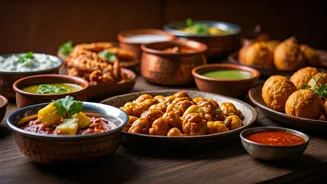
Punjabi cuisine is known for its flavorful snacks and appetizers, perfect for gatherings or as starters. Samosas, deep-fried pastry pockets filled with spiced potatoes and peas, are a classic. Pakoras, vegetable fritters dipped in a spiced batter and deep-fried, come in various forms, including onion, potato, and spinach. Tikkas, marinated and grilled or baked meat or paneer pieces, provide a savory and spiced treat. These snacks reflect the vibrant and celebratory spirit of Punjabi food. These starters offer a variety of textures and tastes, from crispy exteriors to tender fillings, complemented by chutneys such as mint-coriander and tamarind, adding an extra layer of flavor. They are perfect for sharing, adding to the communal aspect of Punjabi dining. These recipes offer a detailed guide to preparing these perfect snacks.
Drinks and Desserts
After enjoying a hearty Punjabi meal, the drinks and desserts provide a sweet and refreshing finish. Lassi, a yogurt-based drink, comes in sweet, salty, and flavored varieties, with mango lassi being a popular choice. In terms of desserts, Gulab Jamun, deep-fried milk balls soaked in sugar syrup, and Gajar ka Halwa, a carrot pudding, are both beloved. Kheer, a creamy rice pudding flavored with cardamom and nuts, is another traditional treat. These desserts offer a balance of sweetness, creaminess, and rich flavors, often garnished with nuts and dry fruits for added texture. They highlight the indulgent side of Punjabi food, creating a satisfying end to a meal. These recipes provide the essential tips to create these drinks and desserts.
Spice Blends
Spice blends are the heart of Punjabi cuisine, giving each dish its unique flavor profile. Garam masala, a warm spice blend, is used in numerous dishes, providing a complex flavor. Other frequently used spices include turmeric, coriander, cumin, ginger, garlic, and red chili powder. These spices are carefully measured and combined to create a balance of flavors – heat, sweetness, and depth. The quality of spices is very important for the overall taste of the dishes. While some recipes call for pre-mixed spice blends, many home cooks also customize their own blends to match their personal taste preferences. Mastering the use of spices is essential for achieving the authentic flavors of Punjabi cuisine. These recipes provide you with the correct amounts and guidelines.
Tips for Cooking
Cooking Punjabi food at home can be enjoyable with a few tips. Marinating meat or paneer well ahead of time helps to tenderize and infuse flavor. Using fresh ingredients, especially ginger, garlic, and herbs, enhances the authenticity. Slow cooking certain dishes, such as Dal Makhani, allows flavors to meld beautifully. Taste and adjust seasonings as you cook, since individual preferences vary. Having a good understanding of spice combinations can help you adapt and create your own variations. Following the recipes step by step, and carefully using the ingredients and quantities will allow you to successfully recreate the original Punjabi tastes. These tips will give you the confidence to start your Punjabi food journey, no matter your skill level.
Enjoy and Share
Punjabi cuisine is not just about food; it's about sharing and enjoying the meal with loved ones. It is often served in a communal style, promoting connection and celebration. Gathering around the table with family and friends and sharing these flavorful dishes is a core part of the culture. Experiment with the different recipes, and feel free to adapt them to your taste. Don't be afraid to try new combinations and add your own touch. The most important ingredient in Punjabi cooking is love. So, enjoy the cooking process, the flavors, and the company. Celebrate the richness of Punjabi culture through its vibrant cuisine, and share these delicious dishes with everyone.